The study finds childhood vaccination coverage in many EU countries has stalled or declined, particularly since 2019. Researchers analysed seven routine childhood vaccines across EU member states from 1980–2024 and identified declines in 16 countries. Luxembourg and Portugal maintain at least 95% coverage, while Romania remains below 80%. Experts link the drop to pandemic disruptions and rising vaccine hesitancy and call for coordinated action to restore coverage.
Study: Childhood Vaccination Coverage Stalled Across Europe Since 2019
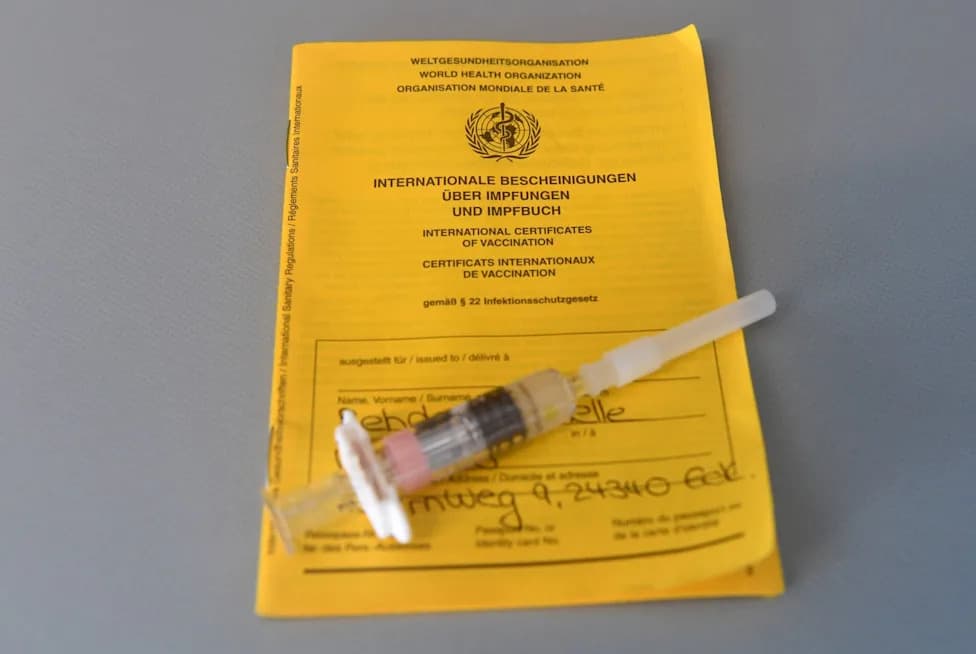
FILE PHOTO - A vaccination pass and a syringe are seen on the table in a doctor's office. (is associated with: «Childhood vaccination rates in Europe stall, study finds») Carsten Rehder/dpa
Childhood vaccination coverage across European Union countries has largely plateaued — and in many places slipped — a new study published on Friday reports. Analysts examined immunisation data for seven routine childhood vaccines across EU member states from 1980 through 2024.
Key Findings
Since 2019, 16 EU countries experienced declines in coverage for four or more of the seven vaccines studied. The countries singled out include Bulgaria, Cyprus, Ireland, the Netherlands, Romania and Sweden — with Sweden showing recent downward trends for all seven vaccines.
Germany and Spain recorded falling coverage for five of the seven vaccines. France and Italy showed mixed results: each saw coverage rise for four vaccines while three experienced declines.
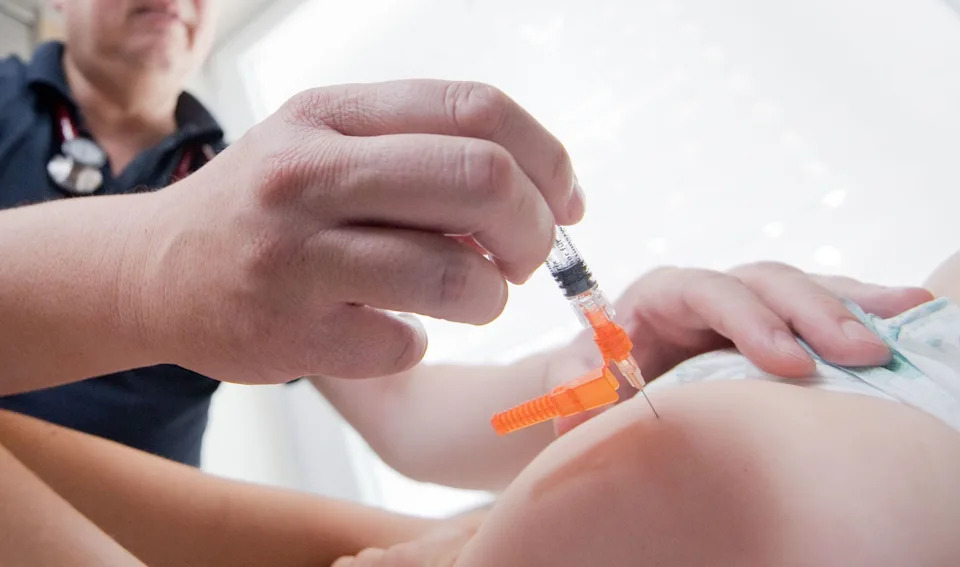
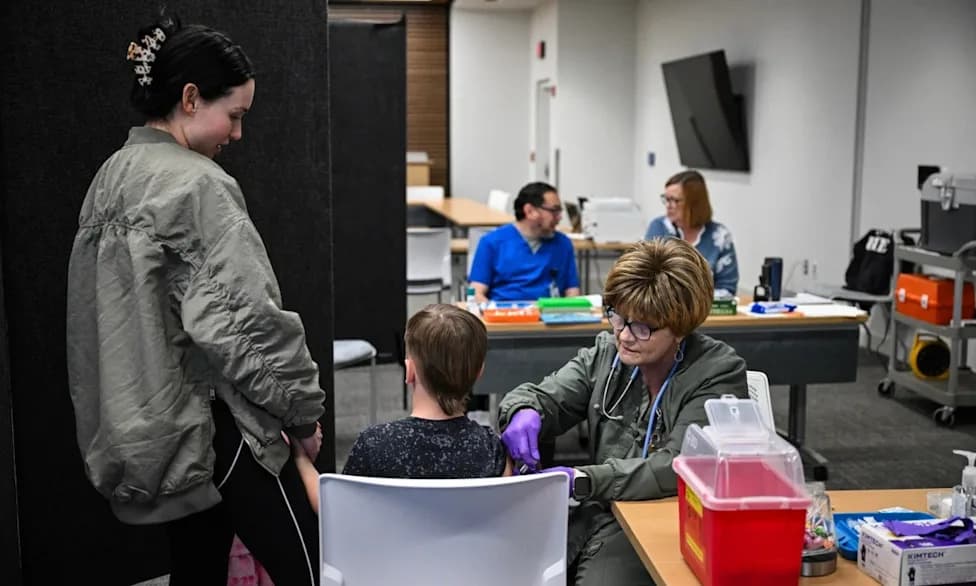
FILE PHOTO - A pediatrician vaccinates a one-year-old child in the thigh with the Priorix vaccine (live virus vaccine against measles, mumps and rubella). (is associated with: «Childhood vaccination rates in Europe stall, study finds») Julian Stratenschulte/dpa
At the high end, Luxembourg and Portugal achieved at least 95% coverage for all seven vaccines examined. Romania reported the lowest overall coverage, remaining below 80%.
Why Coverage Dropped
Researchers say the decline began between 2019 and 2022, a period that overlaps with the Covid-19 pandemic and its immediate aftermath. They attribute the fall to a combination of pandemic-related disruptions to routine vaccination services and rising vaccine hesitancy across parts of the EU.
"International, national and community actions are needed to reverse trends," the authors urged.
Public Health Implications
Experts warn that falling coverage increases the risk to both herd immunity and individual protection, leaving communities more vulnerable to outbreaks of vaccine-preventable diseases. Restoring and strengthening routine childhood immunisation is essential to prevent the return of diseases once controlled or eliminated in parts of Europe.
Photo caption: A pediatrician vaccinates a one-year-old child with the Priorix vaccine (measles, mumps and rubella). (Julian Stratenschulte/dpa)
Help us improve.