AI-linked PACs tied to companies like OpenAI and Anthropic have directed about $37 million into the 2026 U.S. election cycle so far. These groups are funding candidates on both sides of the aisle — for example, OpenAI-associated PACs have given roughly $14.1 million to Democrats and $8 million to Republicans, while Anthropic-linked PACs have donated about $11 million to Democrats and $5.2 million to Republicans. Observers warn this cross-party approach can marginalize insurgent candidates who favor stricter AI regulation, as illustrated by a nearly $900,000 expenditure that helped defeat a Montana incumbent in a primary.
AI Firms Pour Tens of Millions Into 2026 U.S. Elections, Backing Candidates On Both Sides
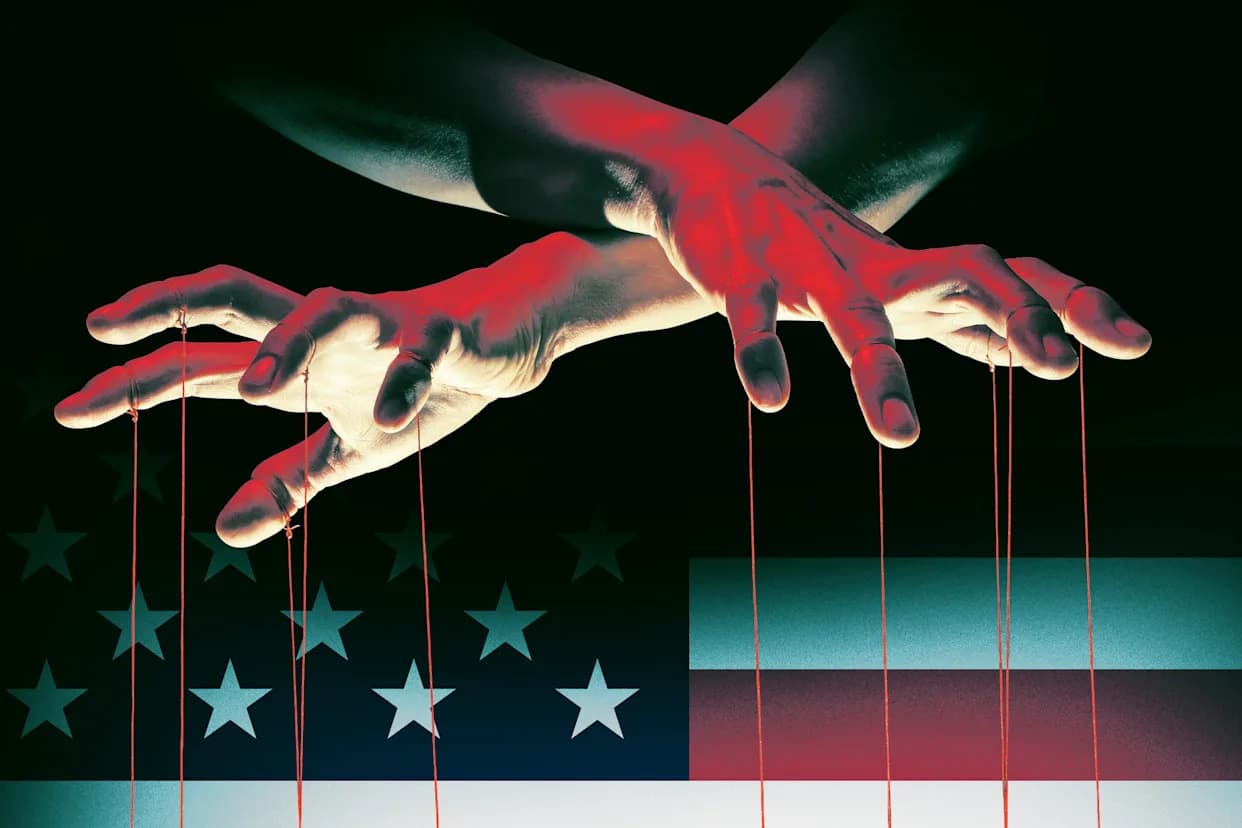
Illustration by Tag Hartman-Simkins / Futurism. Source: Shutterstock
Tech companies developing advanced AI are pouring significant sums into the 2026 U.S. election cycle — and they are financing candidates across the political spectrum. With roughly $37 million already traced to AI-linked political action committees, the scale and strategy of this spending are drawing scrutiny from observers and journalists.
How AI-Linked PACs Are Spending
Reporting by the Los Angeles Times shows several political finance groups tied to firms such as OpenAI and Anthropic among the top spenders in the 2026 cycle. Known tech-affiliated PACs have funnelled about $37 million into campaigns so far, a number that is expected to rise as the midterms approach. Critics also warn that this figure may understate total activity, as some groups are accused of sidestepping federal reporting rules.
OpenAI-Related Activity
OpenAI is associated with multiple PACs. The American Mission PAC has been linked to roughly $8 million in contributions to Republican candidates, while the Think Big PAC has spent about $14.1 million supporting Democrats. These dual alignments highlight a deliberate cross-party funding strategy.
Anthropic-Related Activity
Anthropic is similarly connected to multiple political groups: the Jobs and Democracy PAC has given about $11 million to Democratic candidates, and the Defending Our Values PAC has donated roughly $5.2 million to Republicans.
“AI companies are quickly becoming comfortable with using their power to achieve a political goal,” said former Google public policy executive Adam Kovacevich, reflecting growing comfort among tech firms with overt political influence.
Why Firms Finance Both Parties
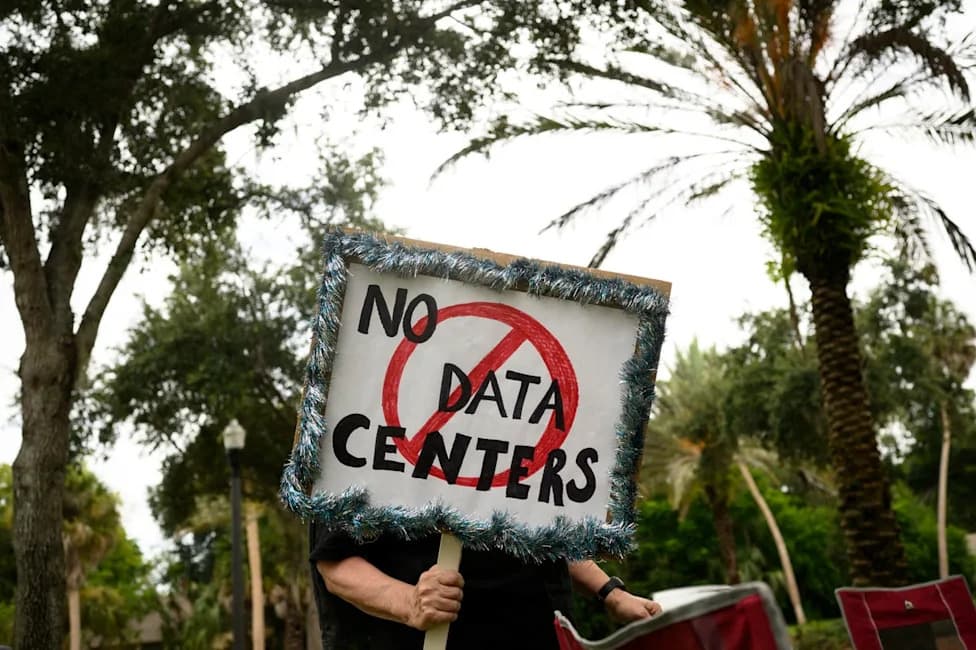
Funding candidates from both major parties can be a pragmatic strategy for technology companies. By backing mainstream contenders, these PACs can blunt the momentum of nonpartisan or insurgent candidates who push for strict regulations on generative AI or limits on data center construction. Large, well-funded campaigns make it much harder for grassroots challengers to compete.
Case Study: Montana Primary
One example cited by reporting is Montana Republican Al Olszewski, who ran as a self-styled “grassroots conservative.” Despite incumbency, Olszewski lost his primary after a super PAC affiliated with an OpenAI co-founder spent nearly $900,000 supporting his opponent. “There was no way as a grassroots person that I could compete with that kind of money,” Olszewski told the Times.
Implications and Concerns
The trend raises questions about transparency, corporate influence, and the future of AI policy. Concentrated private funding from powerful tech firms could shape policy debates and election outcomes in ways that favor industry interests. As November draws closer, watchdogs, lawmakers, and voters will likely scrutinize both the sources and impacts of these expenditures.
Help us improve.