The article explores how long waits for GP appointments and diagnostic tests are pushing more Britons to pay for private healthcare. Private admissions hit about 953,000 in 2025 while diagnostic backlogs reached a record 1.95 million, driving out-of-pocket spending and higher employer insurance bills. Policymakers face trade-offs: private care eases immediate pressure on waiting lists and raises tax receipts, but critics warn it risks draining NHS staff and masking the service’s true problems.
NHS Delays Are Driving More Britons Into Private Healthcare — Who Pays the Price?
NHS
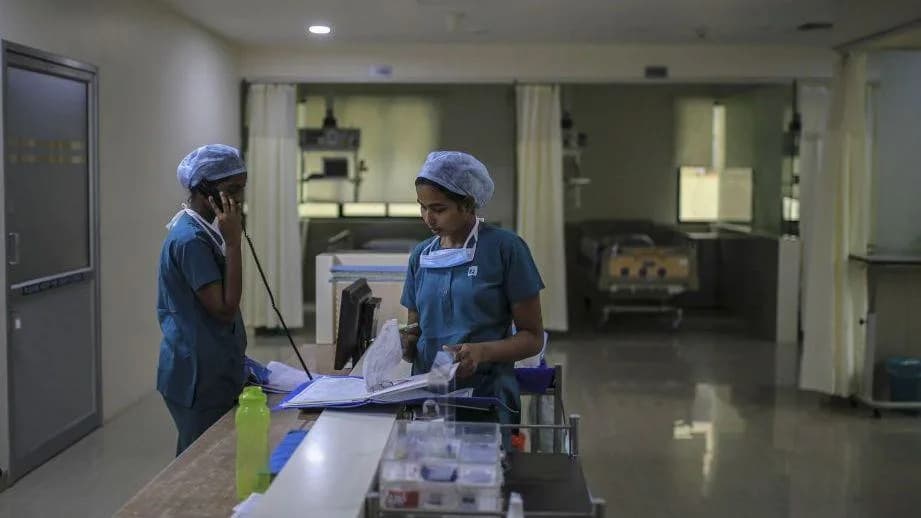
Paul Chaplin never intended to use private medicine. The 55-year-old taxpayer assumed that, when he fell ill, he could ring his local GP, secure a timely appointment, receive a diagnosis and, if needed, be referred for treatment. Instead, repeated long waits at his surgery near Milton Keynes — which serves roughly 6,500 patients — have left him paying about £90 each time he needs to see a private clinician.
“You simply can’t get an appointment at the local surgery on the same day. If you want a GP appointment at short notice, you have to join a queue. By going private, we’re seen on the morning or afternoon we call, we get a quick diagnosis and prescription, and then we can get our lives back on track.” — Paul Chaplin
Why More People Are Going Private
Private hospital admissions reached a record high in 2025, with about 953,000 paid admissions, according to the Private Healthcare Information Network (PHIN). That surge has occurred even as the official NHS treatment waiting list fell to 7.22 million and the share of patients seen within 18 weeks improved to roughly 65%.
But those headline improvements mask growing pressure elsewhere. The number of people waiting for diagnostic tests has climbed to a record 1.95 million, with one in four waiting longer than the six-week maximum. Health-tech analysts warn this diagnostic backlog could exceed two million within months, driving many patients to pay privately for scans, tests and routine procedures they cannot obtain quickly on the NHS.
What Patients And Employers Are Feeling
For many, private care has shifted from a convenience to a necessity. Insurance claims data show that more than 70% of private claims are now for primary-care services such as GP appointments, physiotherapy and mental-health support. More than one-third of last year’s private patients were first-time private users.
Employers are also bearing the cost. Spending on private medical insurance hit a record £9.5bn last year — up about 50% since the pandemic — with firms covering more than two-thirds of the bill. That pushes up premiums and contributes to higher costs for businesses that offer healthcare as a staff benefit.
Cataract Surgery: A Case Study
Cataract operations were the most common private hospital admission in 2025 (80,875 cases), nearly 20,000 more than in 2019. At the same time, around 81,000 patients were awaiting cataract surgery on the NHS, with average waits approaching four months — a clear example of where private provision is filling gaps in routine care.
Policy, Tax And The Bigger Picture
The Treasury benefits from the trend too. Insurance Premium Tax (IPT) on medical insurance is charged at 12%, and IPT receipts across all insurance types topped £9bn last year. That has prompted calls from some quarters to tax private healthcare further — proposals that range from a targeted “windfall” tax to removing tax exemptions similar to VAT on private schools.
Supporters of such measures argue they could raise funds to bolster the NHS. Critics warn higher taxes on private care would increase premiums, reduce affordability, push more patients back to an already strained NHS and risk employers cutting health benefits that support workforce productivity.
Staffing Risks And Political Trade-Offs
Campaigners caution that expanding private provision can drain the NHS workforce, because there is effectively one pool of trained staff. That trade-off helps explain why some politicians may tolerate a growing private sector: it can shrink waiting-list headlines while transferring pressure — and costs — elsewhere.
“If people feel they have no choice but to pay privately because they cannot get the test or treatment they need on the NHS, that is not a sign of success — it is a warning.” — Stuart Andrew, shadow health secretary
What This Means For Patients
For patients like Chaplin, the choice is stark: pay privately or risk long waits for diagnosis and treatment. For employers, the rising cost of premiums is squeezing budgets and benefits packages. And for government, private healthcare presents both a safety valve for the NHS and a potential source of tax revenue — albeit with political and practical costs.
Government response: Ministers say they are expanding diagnostic capacity through Community Diagnostic Centres and new technology backed by record funding, and that they are focused on reducing waits across diagnostics and treatment.
Help us improve.