New Microraptor Identified: A single upper arm bone from China’s Changma Basin, reexamined in 2026, identifies a large microraptor species named Jianchangmaensis. The 4-inch humerus implies a roughly four-foot wingspan and a barn-owl–sized gliding predator. The find explains bone pellets at the site as regurgitated bird remains and shows non-avian dromaeosaurs coexisted with abundant duck-like ornithuromorphs, revising views of the Changma ecosystem.
Four-Winged Hunter: Large Microraptor Jianchangmaensis Likely Preyed on Early Birds
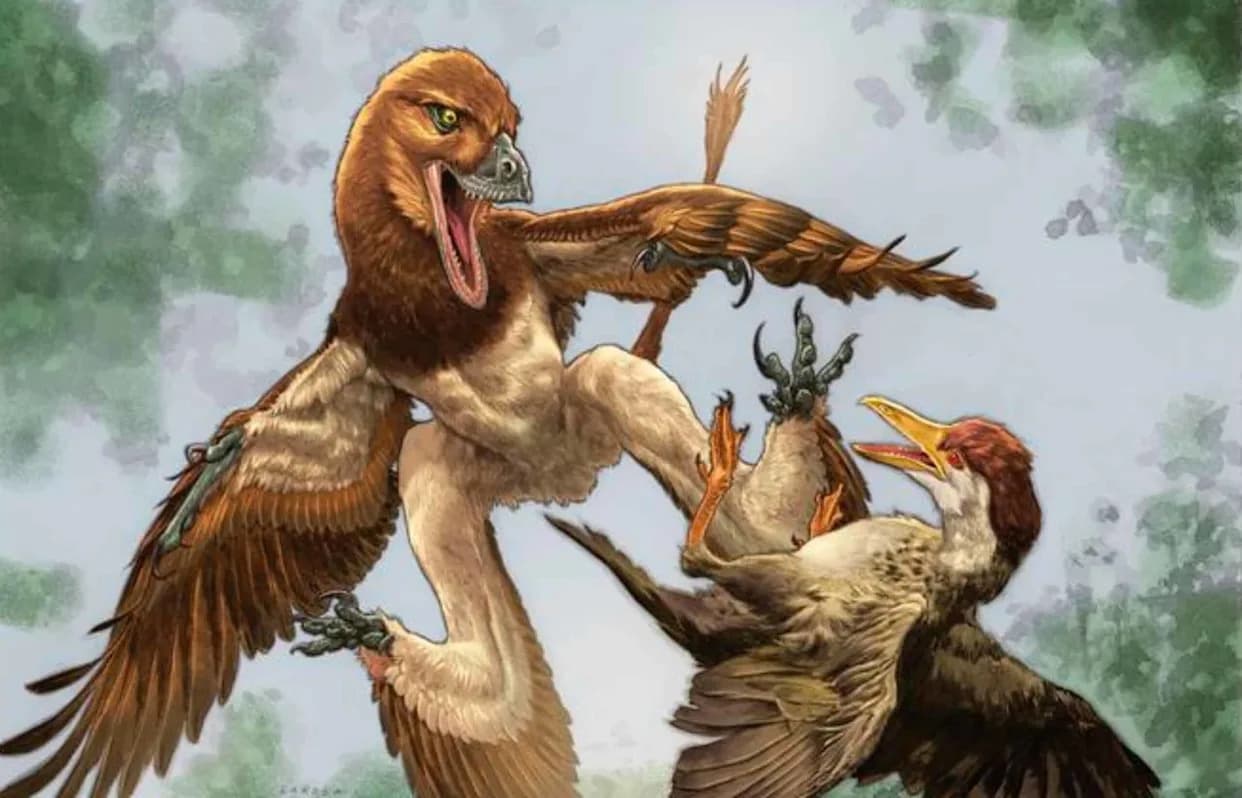
Jian changmaensis (left) attacks the early bird Gansus yumenensis (right)© Illustration by Lewis LaRosa, colorized by Jão Canola / EurekAlert
Thanks to a detailed reexamination of fossils from China’s Changma Basin, paleontologists have identified a surprisingly large four-winged dromaeosaur — a new microraptor species now named Jianchangmaensis. The identification, based on a single upper arm (humerus) collected in 2008, reveals a gliding predator that likely fed on the abundant early birds in the region.
Discovery and Identification
The humerus was recovered from the Xiagou Formation and dates to roughly 124–120 million years ago. Although the bone has been in a museum collection since 2008, its significance was only recognized during a detailed reappraisal completed in 2026. The 4-inch (about 10 cm) bone suggests an overall wingspan near four feet and a body size comparable to a barn owl.
Appearance and Locomotion
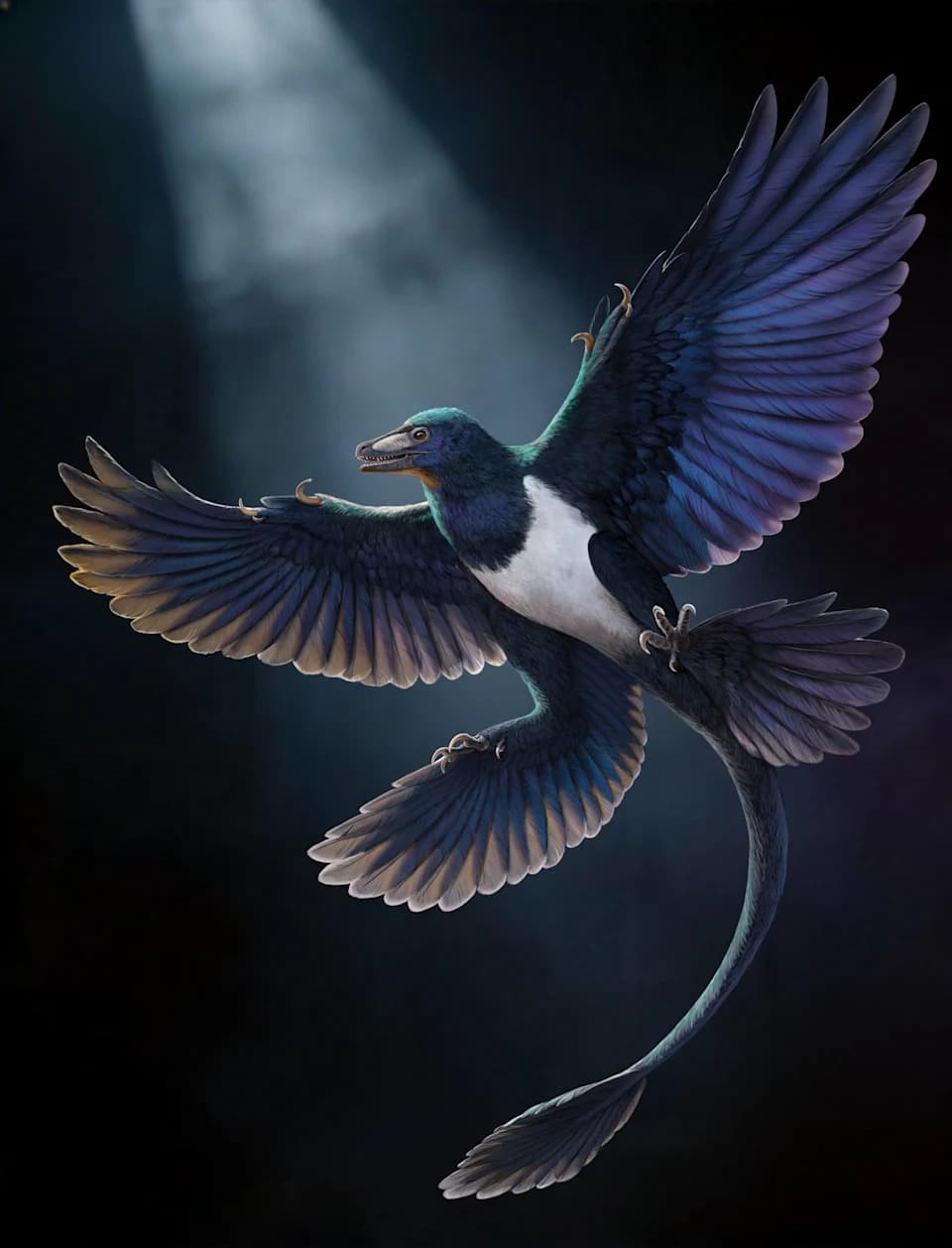
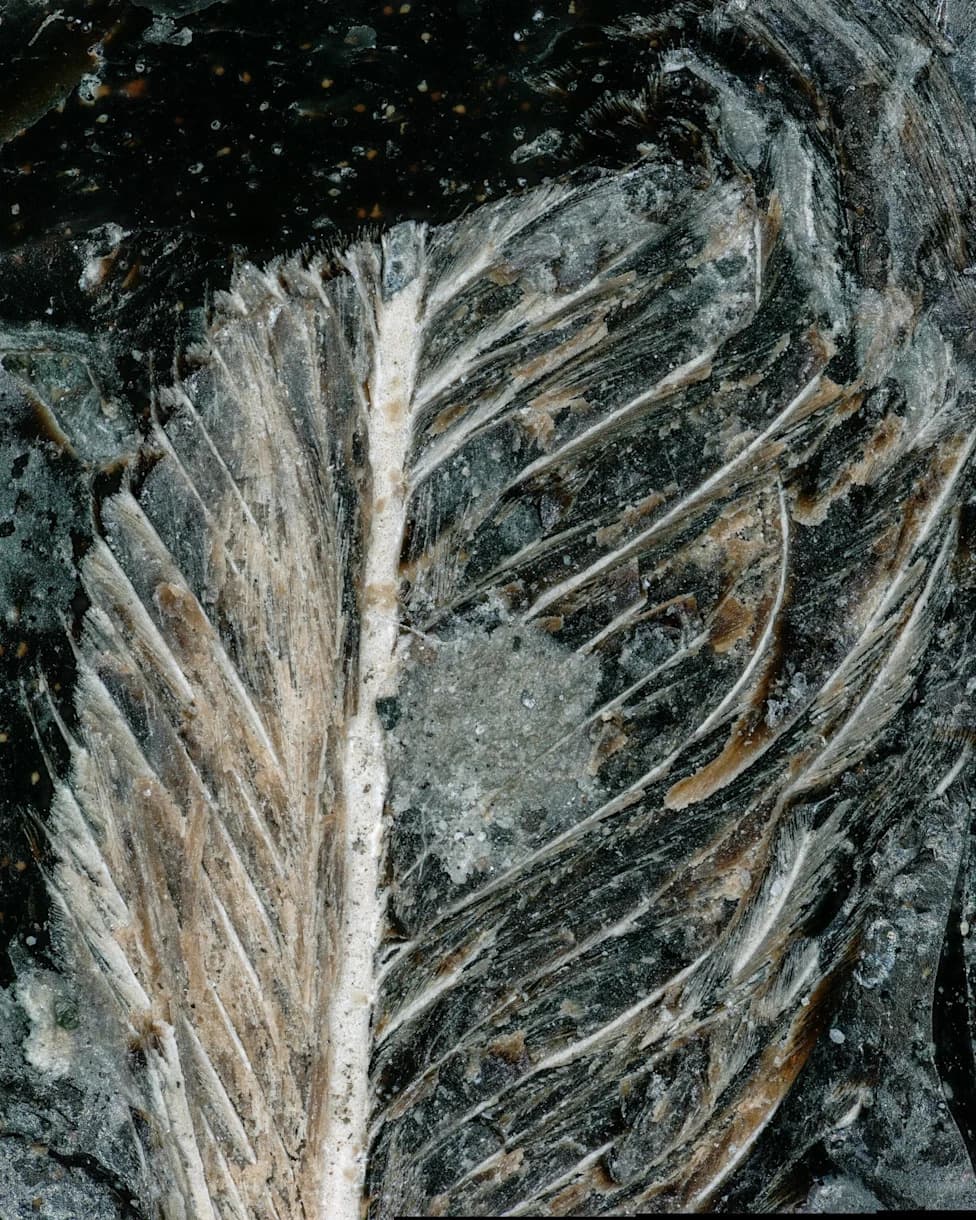
By comparing the humerus with better-known microraptor specimens, researchers infer that Jianchangmaensis likely bore long feathers on both forelimbs and hindlimbs, giving the impression of "four wings." These limbs probably did not support sustained powered flight but would have enabled controlled gliding — similar to modern flying squirrels or the gliding behavior proposed for other microraptors.
Ecological Context
Excavations at Changma have produced abundant bird remains and a puzzling accumulation of bone pellets. With Jianchangmaensis identified, those pellets are now interpreted as regurgitated remains of birds consumed by this predator, analogous to owl pellets today. This interpretation helps explain the large number of fragmented bird bones found at the site.
Habitat and Taphonomic Bias
Researchers note that the Changma Basin 120 million years ago was the shore of a sizable lake. That environment preferentially preserves animals that lived in or on the lake, such as duck-like ornithuromorphs (for example, Gansus yumenensis), while rarer remains of forest-dwelling gliders like Jianchangmaensis might be underrepresented. The new find shows non-avian dromaeosaurs did coexist with abundant ornithuromorphs, revising prior assumptions about habitat separation.
Why a Single Bone Matters
Although only a single humerus has been confidently assigned to Jianchangmaensis so far, its size and morphology are distinctive enough to establish a new species and to provide meaningful ecological insights. The discovery highlights how museum collections and careful reanalysis can reveal surprising new chapters of prehistoric ecosystems.
“This specimen provides critical new insight into the biological history of the Changma region and the ecological context of the ancestors of today’s birds,” said study authors.
Implications
The identification of Jianchangmaensis reshapes interpretations of the Changma Basin food web and helps paleontologists better understand predator-prey relationships among early birds and their dinosaurian relatives.
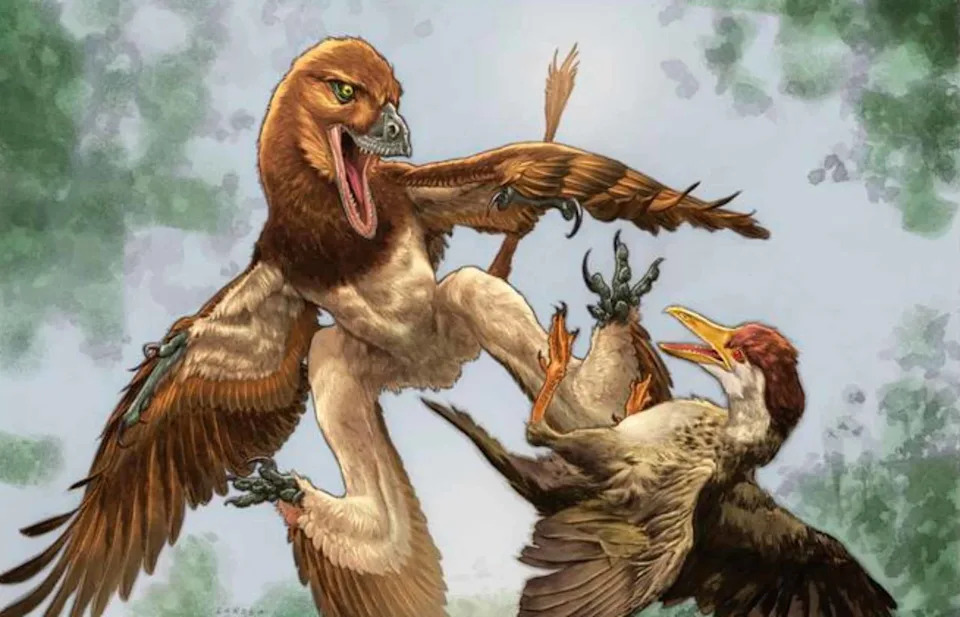
Jianchangmaensis, left, is the newest microraptor species discovered, believed to be the predator that preyed on birds in the Changma Basin.© Illustration by Lewis LaRosa, colorized by Jão Canola / EurekAlert –Original/License
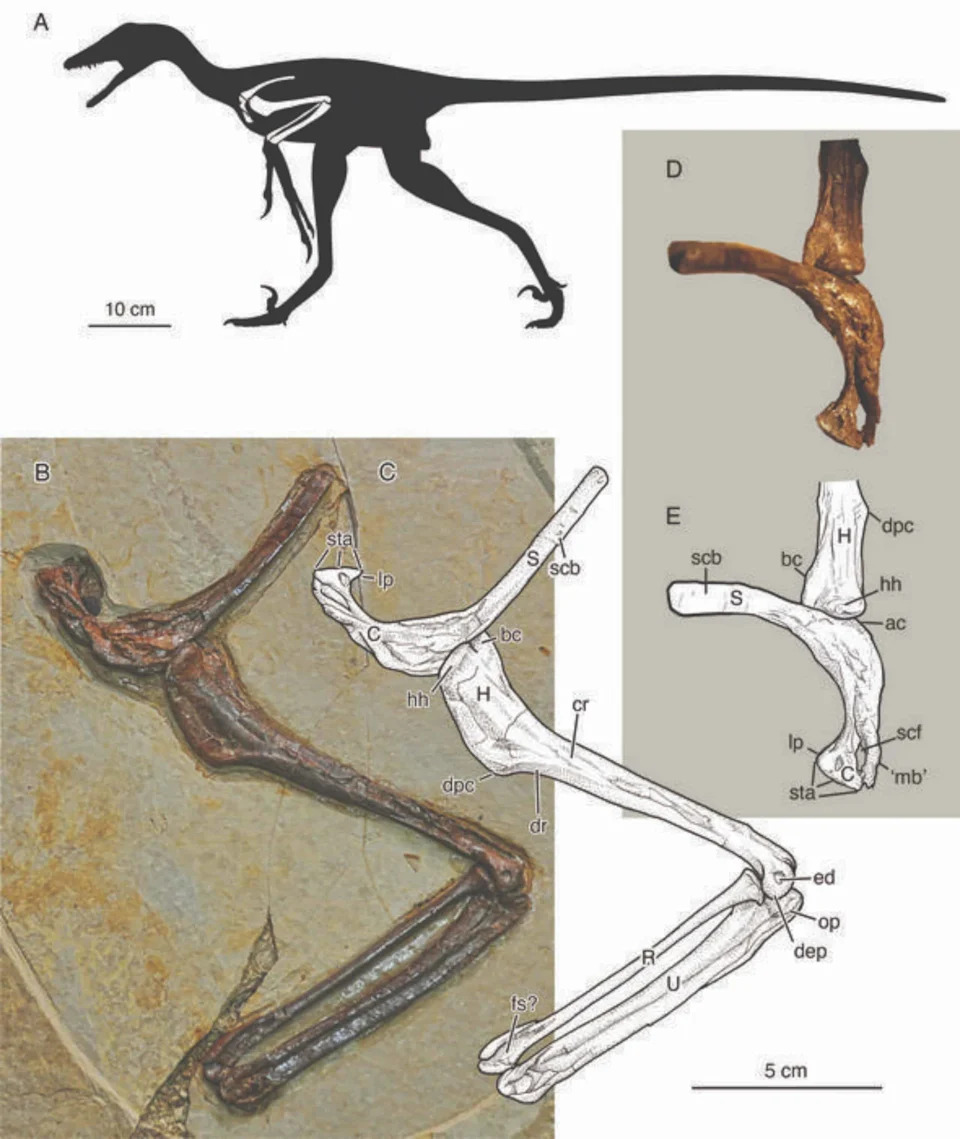
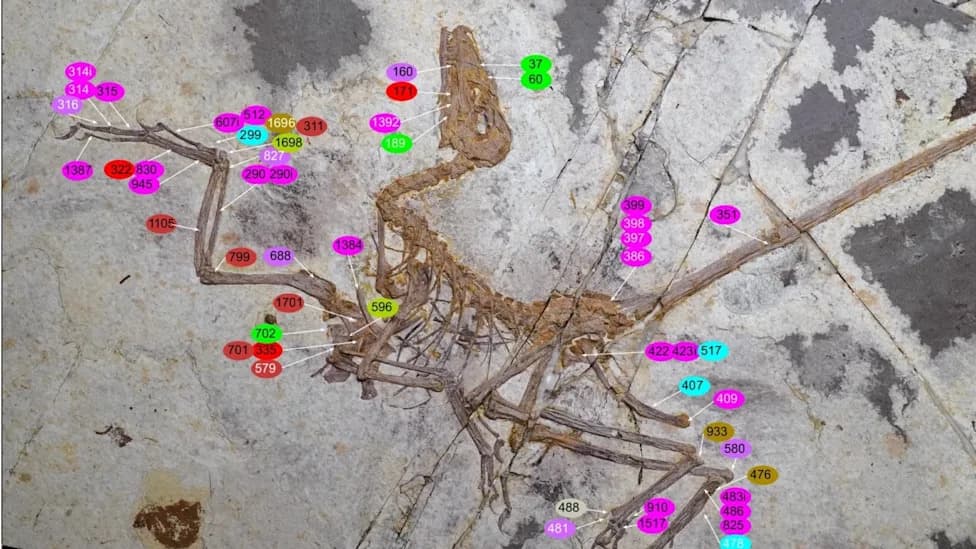
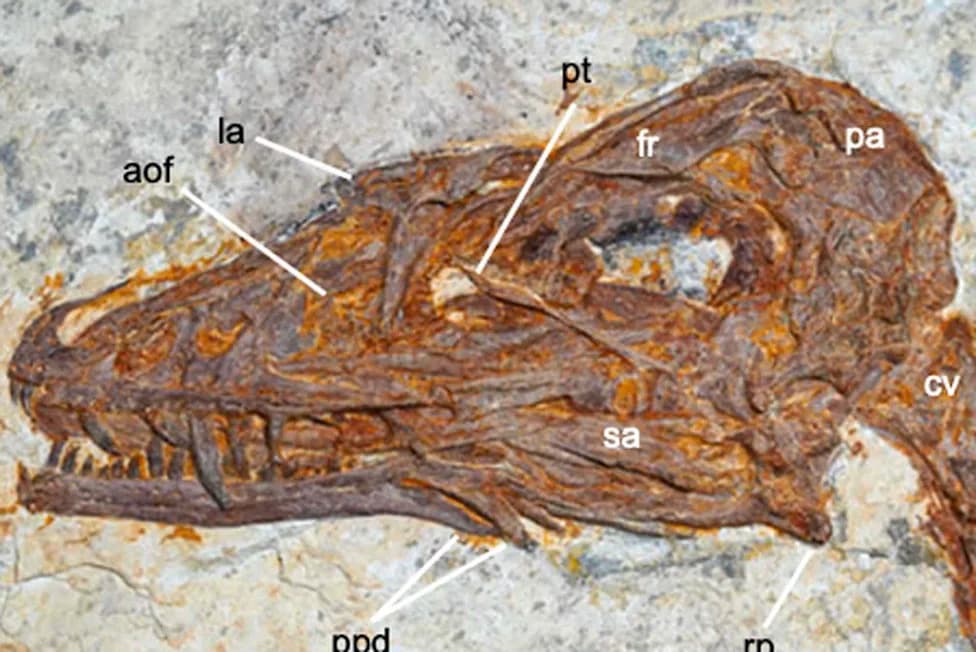
Jian’supper arm bone has been housed in a museum since its discovery in 2008.©Zhou et al –Original/License
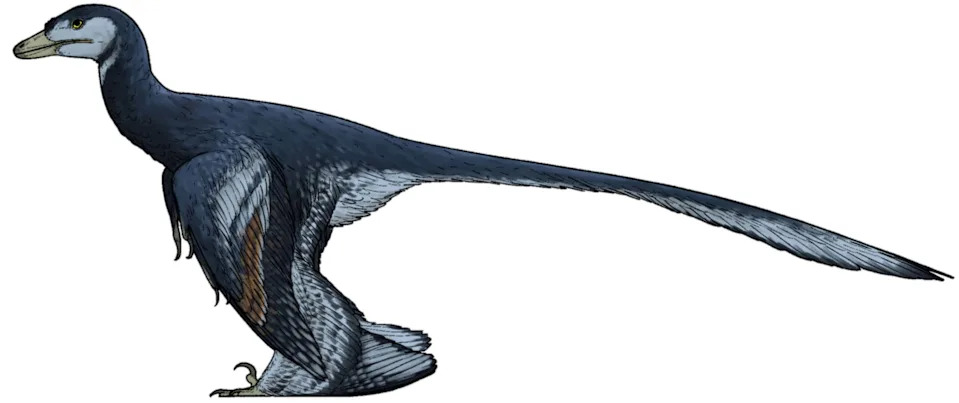
Jian changmaensiswas believed to have a four-foot wingspan and be the size of a barn owl.©Connor Ashbridge, CC BY 4.0 / Wikimedia Commons –Original/License
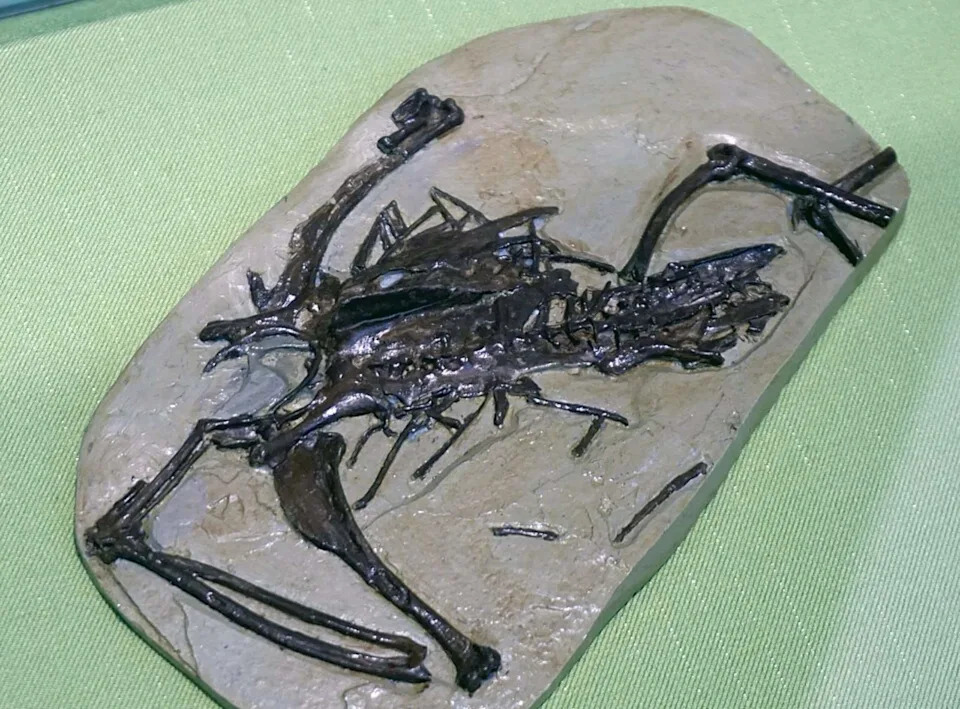
Gansus yumenensisfar outnumberedJian changmaensisin the Changma Basin, as the duck-like animals lived there, whereas the microraptor hunted there.©三猎, CC BY-SA 4.0, via Wikimedia Commons –Original/License
Help us improve.