Carlo Ginzburg, the Italian historian who helped establish microhistory with his acclaimed study The Cheese and the Worms, has died at 87. His reconstruction of the 1598 trial of the miller Menocchio revealed how popular beliefs and survivals of older traditions shaped peasant worldviews. Ginzburg published more than 25 books, taught in Italy and the United States, and was shaped intellectually by his family’s anti‑fascist legacy.
Carlo Ginzburg, Pioneer of Microhistory and Author of The Cheese and the Worms, Dies Aged 87

Carlo Ginzburg in 1996: his study of an ordinary 16th-century hamlet was translated into 20 languages - Leonardo Cendamo/Getty Images
Carlo Ginzburg, the inventive and sometimes iconoclastic Italian historian whose archival detective work helped found the field of microhistory, has died aged 87. His best-known book, The Cheese and the Worms (Italian: Il formaggio e i vermi, 1976), turned a sixteenth-century inquisitorial record into a vivid portrait of popular belief and peasant life—and became an international bestseller.
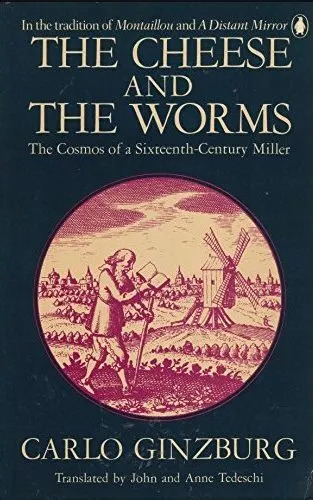
The Cheese and the Worms (1976)
Menocchio and the Method
While researching in the Inquisition archives in Udine, Ginzburg discovered the 1598 prosecution of Domenico Scandella, a miller nicknamed Menocchio. Unusually for a peasant, Menocchio could read and had consulted a range of theological and literary works, from Boccaccio’s Decameron to other philosophical texts. Drawing on these readings, he developed a heterodox cosmology: he taught that the world emerged from primordial chaos and compared creation to the way cheese transforms from milk, imagining worms as angelic beings—one of which became God. He also reduced religion to practical morality, arguing that the true sin was harming one’s neighbour; for Menocchio, blasphemy imperilled only the blasphemer’s soul.
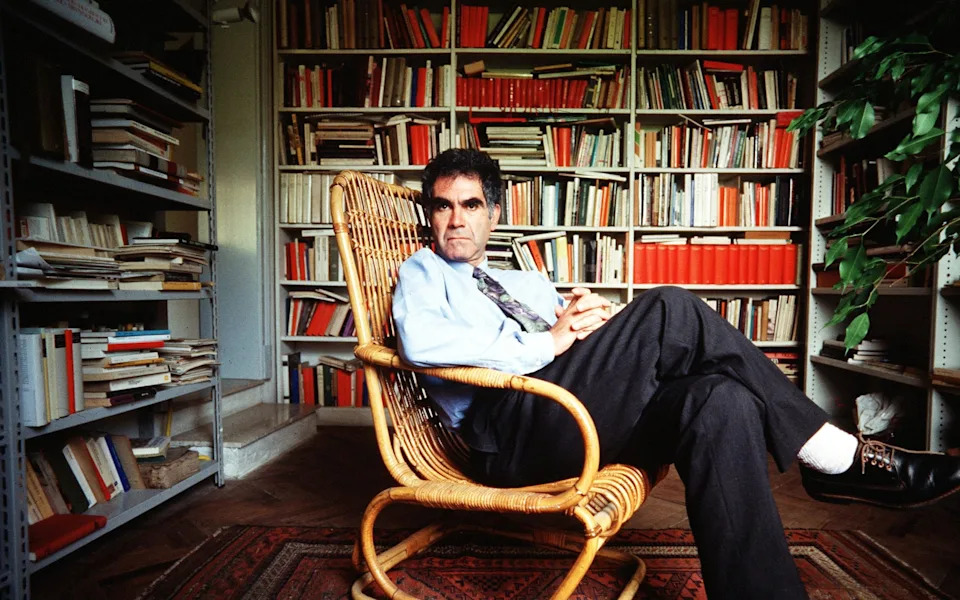
Carlo Ginzburg in 1996 - Leonardo Cendamo/Getty Images
Ginzburg wrote that the historian’s task is the opposite of the old model: not the biography of great men but the recovery of the overlooked masses and their distinct "mental universe."
Reception and Influence
The Cheese and the Worms was translated into twenty languages and published in English in 1980, bringing microhistorical methods to a wide audience. Critics praised Ginzburg’s meticulous attention to small clues—Sir John Elliott described him as pursuing "even the faintest clues with all the zest of a born detective"—while some argued he occasionally extrapolated beyond what the sources could support or blurred boundaries with anthropology. Alongside Emmanuel Le Roy Ladurie’s Montaillou, which appeared the year before, Ginzburg’s work helped make microhistory an influential approach in both academic and popular history. Earlier in 2026, the University of Turin hosted a major conference marking the 50th anniversary of his landmark study.
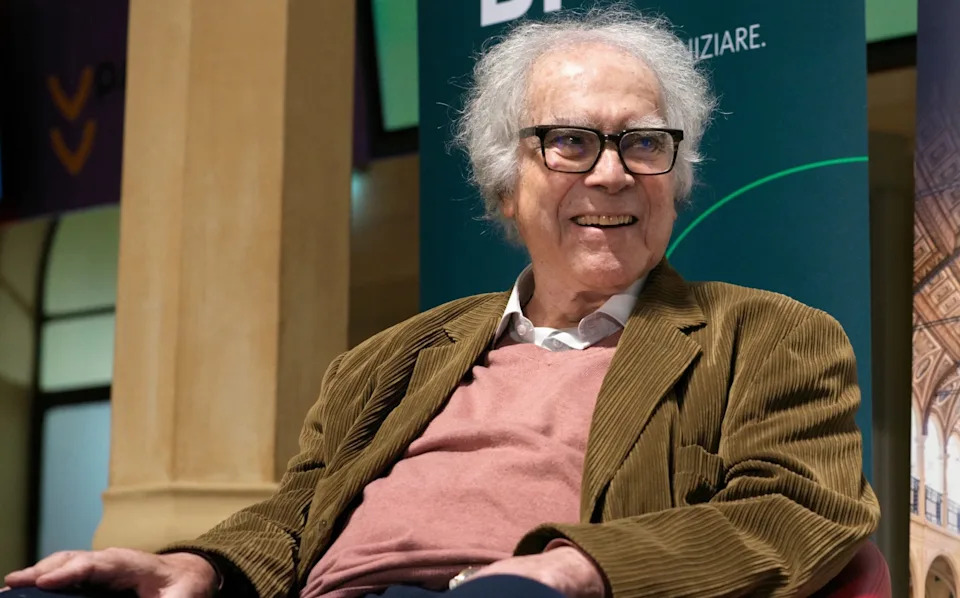
Ginzburg attending an event at the Biblioteca Salaborsa in Bologna in February 2026 - Roberto Serra - Iguana Press/Getty Images
Life and Career
Carlo Nello Ginzburg was born in Turin on 15 April 1939 into a distinguished Jewish family of intellectuals. His mother, Natalia Ginzburg, was a celebrated novelist; his father, Leone Ginzburg, was a historian, literary critic and co‑founder of the Einaudi publishing house who became a prominent anti‑fascist and died in prison in 1944 after torture by the occupying forces. Those early experiences—internal exile, hiding as a child, and his father’s resistance and death—shaped Carlo Ginzburg’s lifelong interest in the persecuted and marginal voices of history.
Ginzburg studied at the Scuola Normale Superiore di Pisa, where he encountered the Annales school and the work of Marc Bloch. He taught at universities in Rome and Bologna, spent time at Princeton, and accepted a position at UCLA in 1988. He returned to Italy and the Scuola Normale in 2006 and formally retired from teaching in 2010. Over his career he published more than 25 books, beginning with I benandanti (The Night Battles) in 1966, which traced peasant accounts of spirit journeys and connected them to older fertility cults and popular traditions.
Personal Life and Legacy
Ginzburg’s first marriage to feminist historian Anna Rossi‑Doria ended in divorce; they had two daughters, Silvia and Lisa. He later married Luisa Ciammitti, former director of Ferrara’s art museum. He is remembered as a pioneering and stylistically distinctive historian whose deep archival work and insistence on listening to ordinary people reshaped how scholars reconstruct the past.
Carlo Ginzburg, born 15 April 1939, died 17 June 2026.
Help us improve.