When Elizabeth Connolly found unfamiliar photographs in her father's dresser, they set off an investigation that revealed a little-known World War II rescue. On April 13, 1945, American soldiers discovered a halted train near Magdeburg carrying roughly 2,500 Bergen-Belsen prisoners and provided lifesaving aid. A 2001 interview by teacher Matt Rozell led to a book, reunions, museum displays and a forthcoming documentary that amplify survivors' testimonies and new photographic evidence.
A Train Near Magdeburg: How Childhood Photos Uncovered a Little-Known WWII Rescue
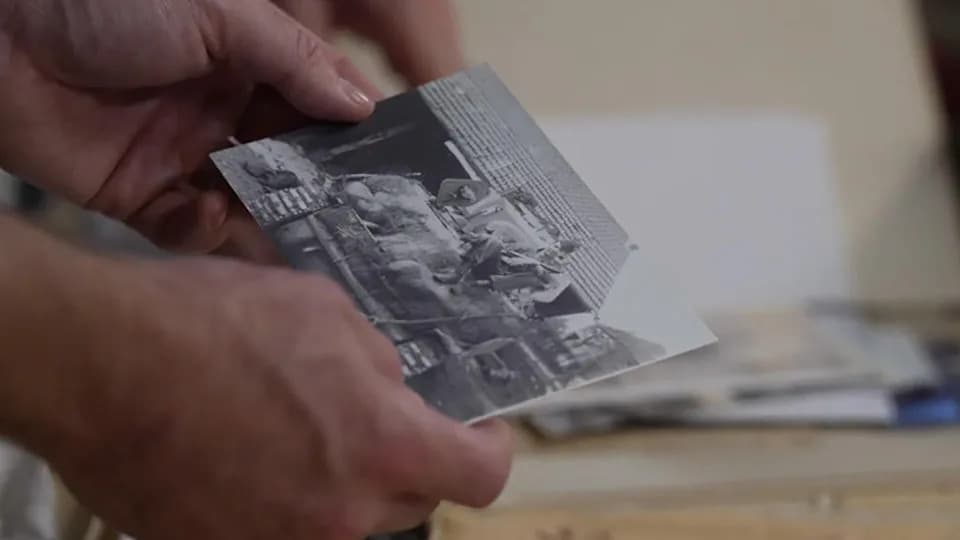
Photos kept by World War II Army Sgt. Carrol Walsh told a story of liberation in 1945 Germany. / Credit: CBS News
When Elizabeth Connolly discovered an envelope of unfamiliar photographs tucked beside toy soldiers in her father's dresser, she had no idea they would help uncover a remarkable — and little-known — chapter of World War II. The images eventually led to a chain of interviews, reunions and a new wave of research into a halted train near Magdeburg, Germany, that American soldiers encountered in April 1945.
The Photograph That Sparked an Investigation
Connolly asked her father, Carrol Walsh, a U.S. Army sergeant and tank commander, about the photos. He initially deflected, telling her only that they were people he had "come upon in a train." Years later, while teacher Matt Rozell recorded oral histories in 2001, Connolly interrupted an interview to press Walsh about the train. Walsh then recalled:
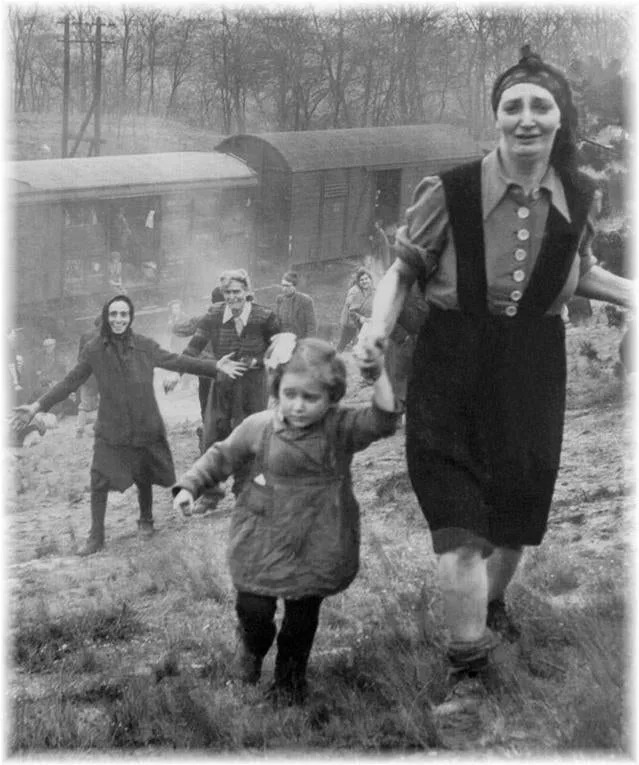
Holocaust survivors liberated in April 1945 near Magdeburg, Germany. / Credit: The George Gross Collection/Matt Rozell
"A beautiful April day. We were zooming like crazy through the middle of Germany. We came across this train, and it was full of Holocaust victims."
What Soldiers Found Near Magdeburg
On April 13, 1945, advancing American forces discovered a halted train near Magdeburg that was packed with roughly 2,500 Jewish prisoners from Bergen-Belsen being moved to another camp. The soldiers provided immediate aid and care to people who were, as James Bulgin of the Imperial War Museum (IWM) put it, "in every meaningful respect, on the brink of death." The episode underscores the chaos and deadly intent in the final weeks of the Nazi regime.
From Classroom Project to Wider Recognition
Rozell posted his interview online, sparking responses from survivors and liberators. His work culminated in the book A Train Near Magdeburg, reunions that brought together soldiers and survivors decades after the war, and renewed public interest in the event. The story also became part of the Imperial War Museum's Holocaust galleries, curated in part by James Bulgin.
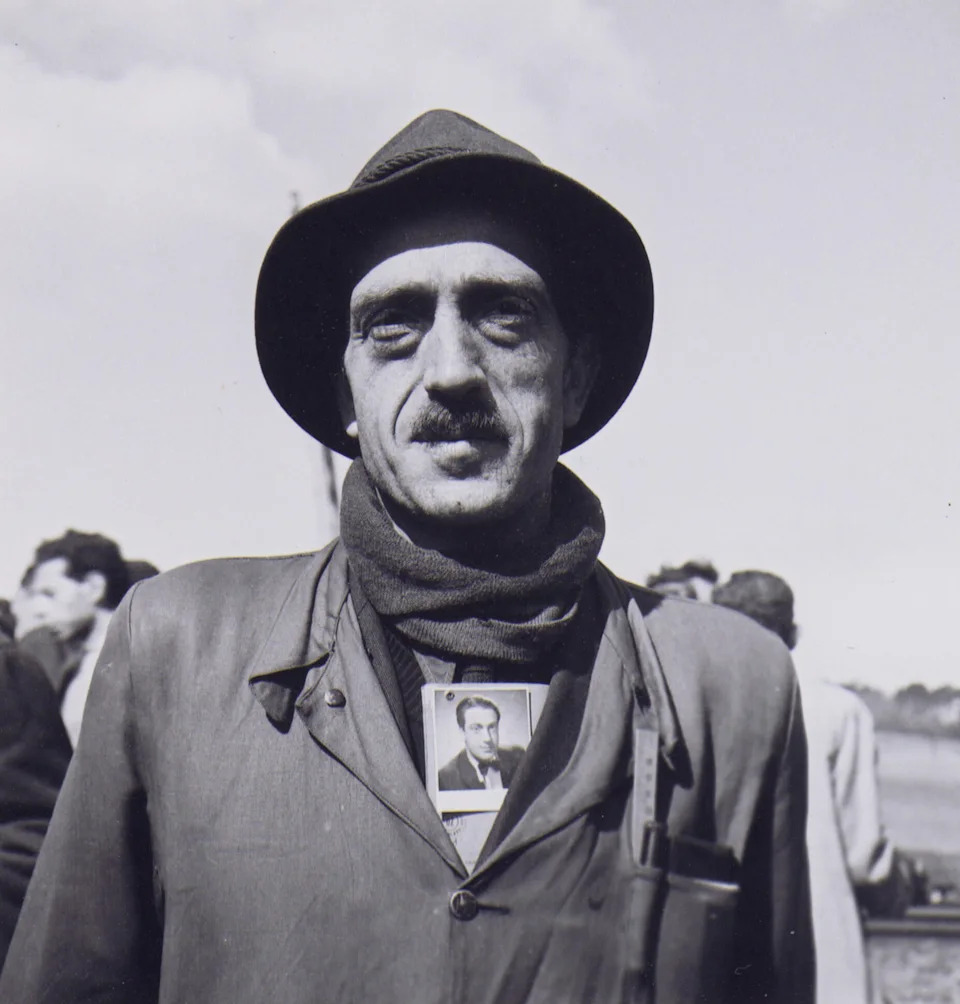
In this April 1945 photo taken by Clarence J. Benjamin, a refugee is depicted after being liberated from a train headed to Theresienstadt. / Credit: JFCS Holocaust Center
Voices of Survivors and Witnesses
Survivor Peter Lantos, who was five years old when he was placed on the train with his mother, described the scene of deprivation and loss: his father died of starvation in the camp, and Lantos ultimately lost 21 family members in the Holocaust. He remembered the day of liberation vividly: "There was kind of a noise, and suddenly it became quiet. And then people started to shout, 'Americans! Americans!'" Lantos, now advanced in age, emphasizes the moral duty to bear witness, saying that in time the last firsthand voices will be gone.
New Evidence and a Documentary
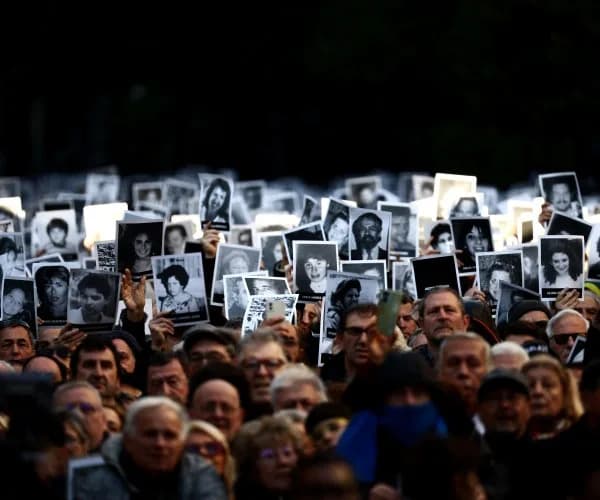
Filmmaker Mike Edwards has spent more than a decade documenting the Magdeburg train story. His team discovered previously unseen photographs from the day of liberation, including striking images of survivors wearing pictures of themselves taken before the war. Such artifacts offer fresh visual insight into the human cost of the Holocaust and the moments of rescue that followed.
Lessons and Legacy
The train near Magdeburg is remembered not only for the dramatic rescue but also for what it teaches about human choice and civic responsibility. As Edwards has noted, everyone will face moments when they can choose to care for others; the soldiers who stopped to help that day chose compassion despite danger and uncertainty. Rozell stresses the importance of education: the mantra "Never forget" only matters if the events themselves are taught and remembered.
Credits: Story produced by Michelle Kessel and Mikaela Bufano. Editor: George Pozderec. Photo archives and collections include the Tauber Holocaust Library and Archives (JFCS), the George Gross Collection/Matt Rozell, and material gathered by filmmaker Mike Edwards.
Help us improve.