The U.S. and its allies depleted large shares of air‑defense and strike munitions during the 2026 campaign against Iran and ongoing support for Ukraine and other partners. Expensive interceptors like the PAC‑3 and cruise missiles were fired far faster than they can be replaced, while inexpensive kamikaze drones can be mass‑produced at a tiny fraction of the cost. Rebuilding stockpiles will take years and major industrial investment; experts say strategy must adjust to this new economics of warfare.
Cheap Drones, Costly Interceptors: How the Iran War Drained U.S. Missile Stocks
America Spent a Fortune Shooting Down Cheap Drones. Now the Missile Stores Are Bare.
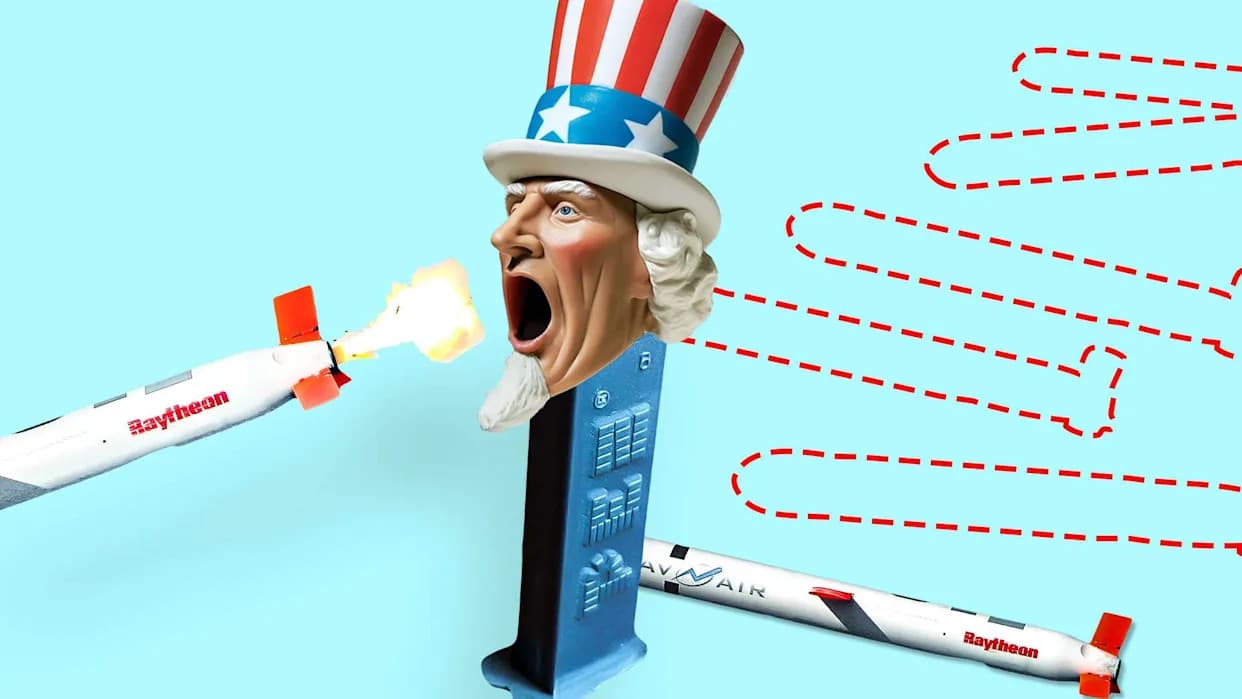
The United States and its partners have discovered a new and costly reality of modern warfare: inexpensive, mass-produced drones can quickly exhaust expensive air‑defense and strike munitions. Sustained combat in 2026 — especially the campaign against Iran — consumed large shares of interceptor and cruise-missile inventories, exposing supply-chain bottlenecks and long production lead times.
Key Developments and Immediate Effects
In May 2026, acting Navy Secretary Hung Cao told Congress the administration was pausing some sales to Taiwan "to make sure we have the munitions we need" for the Iran conflict. Days later, Defense Secretary Pete Hegseth pushed back, saying he was confident in stocks and rising production. The exchange underscored competing public messages about the severity of shortages.
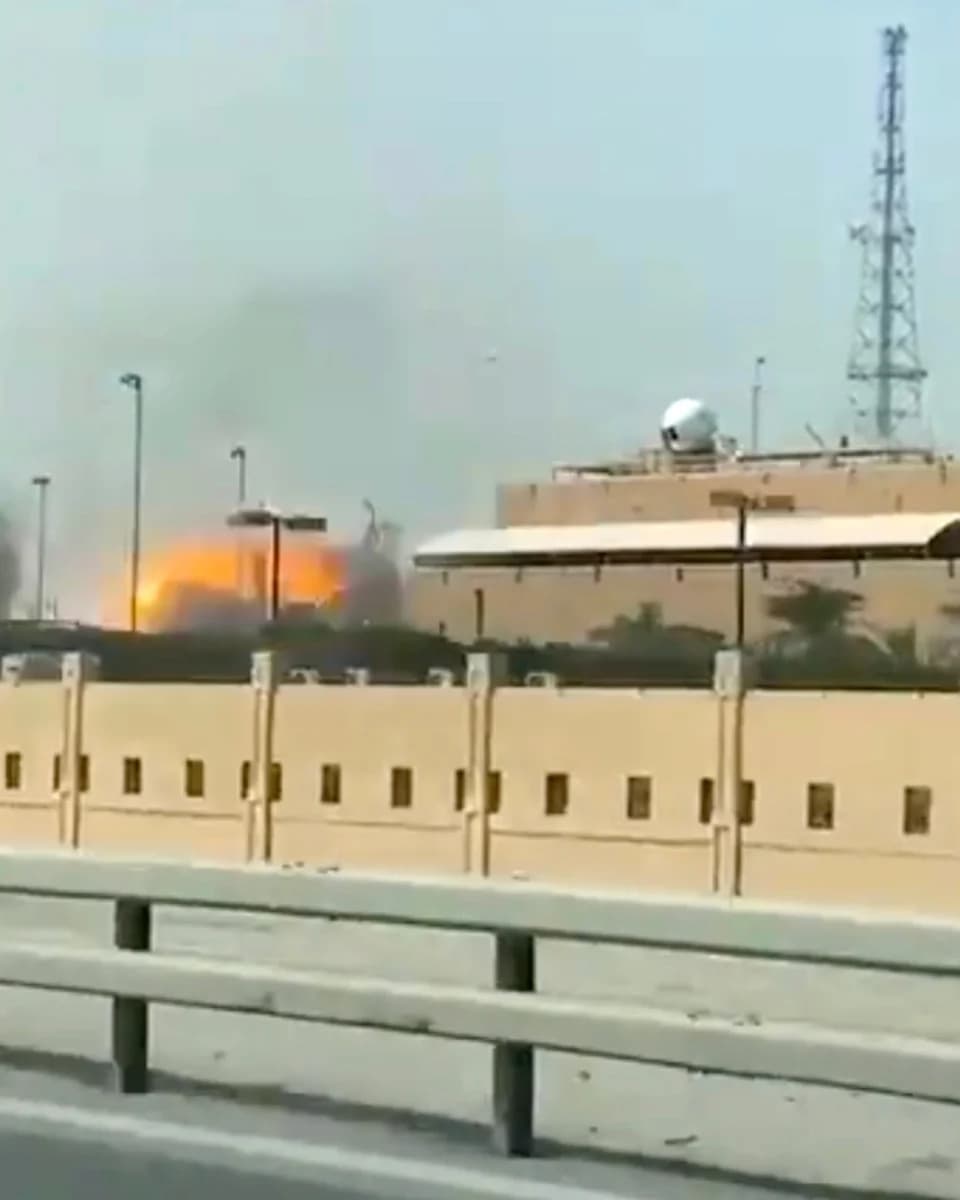
The direct U.S. campaign against Iran, which ended in April 2026 with 14 Americans killed and 409 wounded, depleted allied air‑defense inventories. Near the ceasefire, Iran achieved higher hit rates with smaller barrages as interceptors ran low. A U.S. source told Drop Site that Israel had rationed high-end interceptors down to the "double digits," and studies show allies and U.S. forces fired large numbers of interceptors in defense of allied territory.
The Cost Imbalance: Interceptors Versus Drones
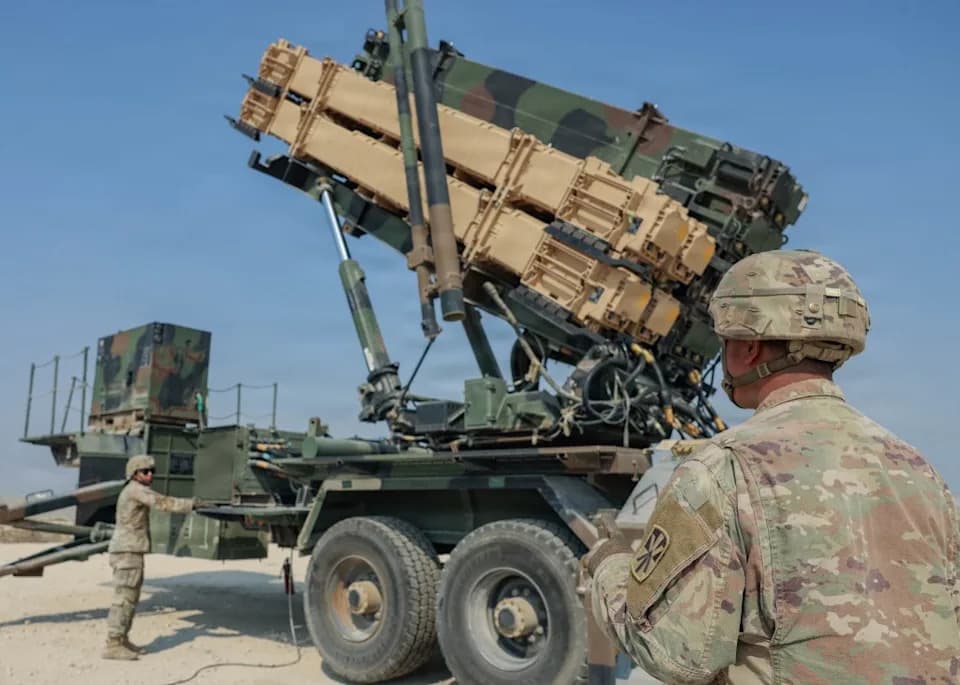
One stark imbalance is financial and industrial. The latest Patriot interceptor (PAC-3) costs roughly $4 million each and has long production lead times. By contrast, Iranian Shahed kamikaze drones cost a few thousand dollars apiece—estimates put their realistic production-equivalent at about $4,000–$7,000. A single factory can reportedly output thousands of such drones per month, while PAC-3 production is under 1,000 per year today.
Global Ripples: Ukraine, Taiwan, And The Pacific Risk
Shortages are being felt beyond the Middle East. After a June 2026 Russian raid that killed 22 people, Ukrainian leaders urged Western partners to accelerate deliveries of Patriot systems. Kyiv even proposed "borrowing" Patriot interceptors from Germany under IOU arrangements as inventories thinned.
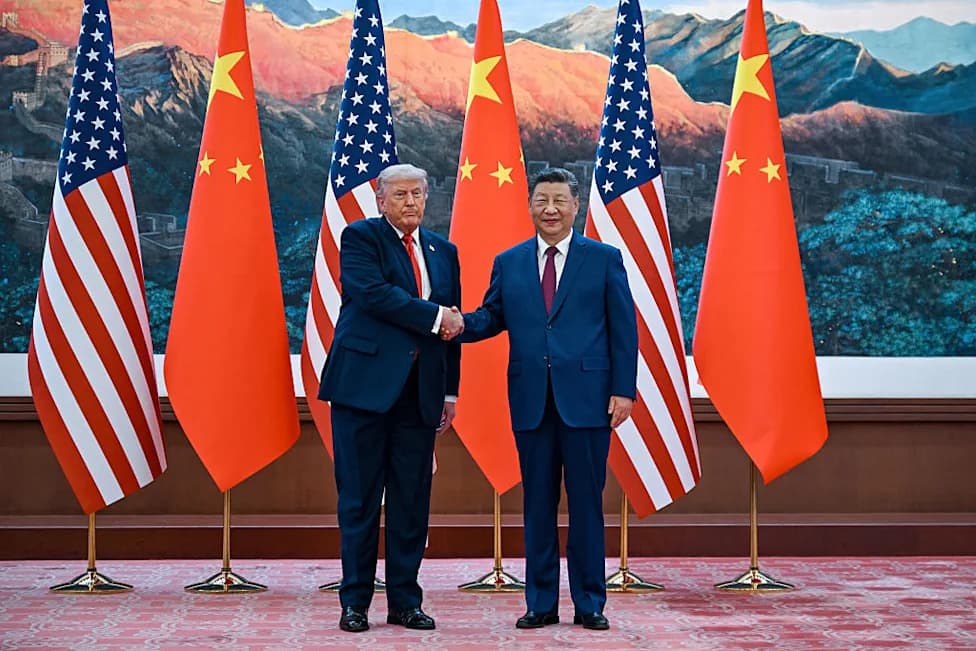
Taiwan is awaiting a previously approved $14 billion arms package whose certification has been delayed. Officials cite both political reasons and munitions constraints—reports indicate a significant portion of the package would consist of Patriot interceptors and other air‑defense items.
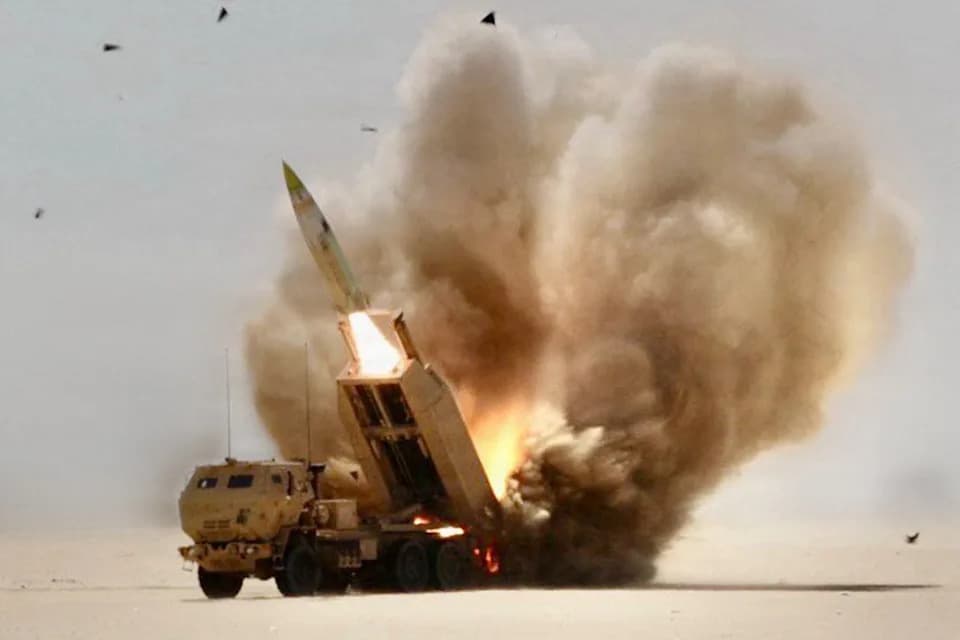
Looking ahead, a high‑intensity Pacific conflict with China would magnify the problem: China fields more capable air defenses, Japan and South Korea are within missile range, and Taiwan’s island geography requires prepositioned supplies. A 2023 CSIS war‑game found that Long‑Range Anti‑Ship Missiles (LRASM) and Joint Air‑to‑Surface Standoff Missiles (JASSM) could be exhausted in days to weeks in a Taiwan contingency.
Industrial Constraints And The Cost Of Recovery
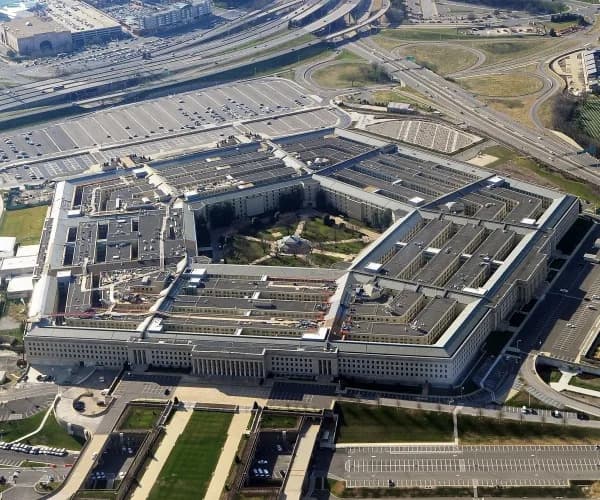
Rebuilding stocks is expensive and slow. A May 2026 CSIS study estimated it could take until mid‑2027 to rebuild JASSM supplies and into the 2030s to fully replace all Tomahawk missiles used in the Iran campaign. The Pentagon’s FY2027 budget request—about $1.5 trillion—included $52 billion for high‑priority munitions and an additional $100 billion to shore up the defense industrial base; an initially proposed $200 billion supplemental for the Iran war was later scaled back.
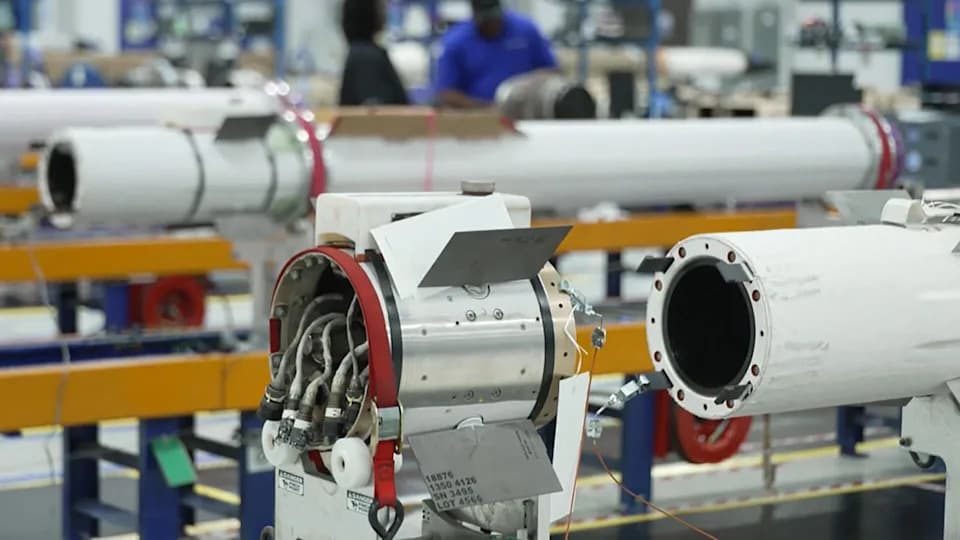
Production bottlenecks are multi‑faceted: PAC‑3s require roughly two years from order to delivery, specialized labor and security vetting, and components from hundreds of suppliers. Supply chains were further strained by foreign export controls—China’s April 2025 restrictions on rare earths and permanent magnets are a notable example.
Strategy, Doctrine And Policy Choices
Experts argue the problem is not simply production but demand: the United States wants to support multiple theaters while retaining the option to initiate new campaigns. Advances in missile and drone technology favor defenders because cheap offensive systems force attackers to expend costly interceptors.
"Warfare is about larger numbers of smaller, cheaper, plentiful things that strongly favor the defense," says Kelly Grieco of the Stimson Center.
One policy implication is to avoid habitual offensive campaigns that require sustained high consumption of expensive munitions. Prioritizing deterrence and defensive postures could let the U.S. and its partners exploit the defensive economics of cheap, numerous systems rather than be forced into costly interceptor races.
Conclusion
The 2026 Iran campaign revealed structural limits in U.S. and allied munitions stocks: a mismatch between plentiful, low‑cost offensive drones and scarce, high‑cost defensive interceptors. Restocking will require significant budgets, long lead times, and industrial transformation. Meanwhile, policymakers face a difficult choice between expanding production and reducing demand by limiting offensive commitments.
Help us improve.