The number 65 bus links St Neots with nearby villages and is described by locals as a 'lifeline', but the service is under review after passenger numbers fell by over 10% to about 68 boardings per week and costs rose to roughly £16 per passenger. The Cambridgeshire and Peterborough Combined Authority is running a public engagement until the end of July to assess the route's social value and value for money. An independent review warns franchising could force cuts of more than a third of services over the next decade unless funding is found; the new mayor has pledged not to raise the mayoral precept.
Life Aboard the 'Lifeline' Bus: Inside Route 65's Battle For Survival
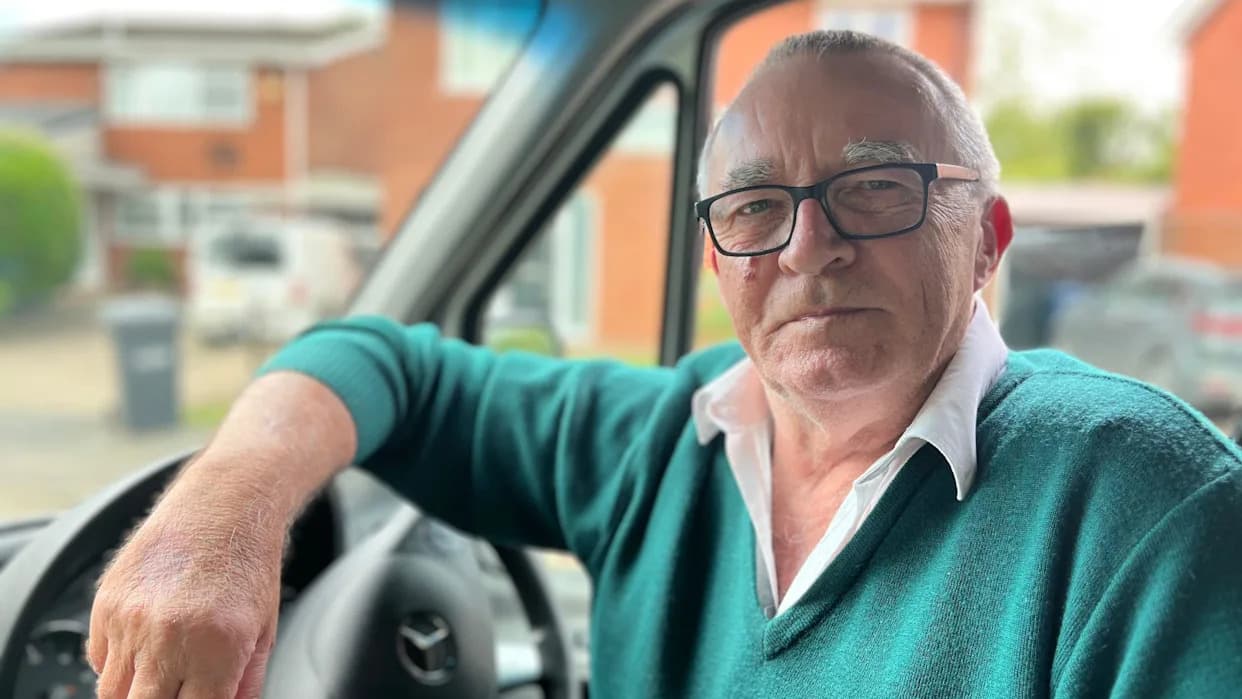
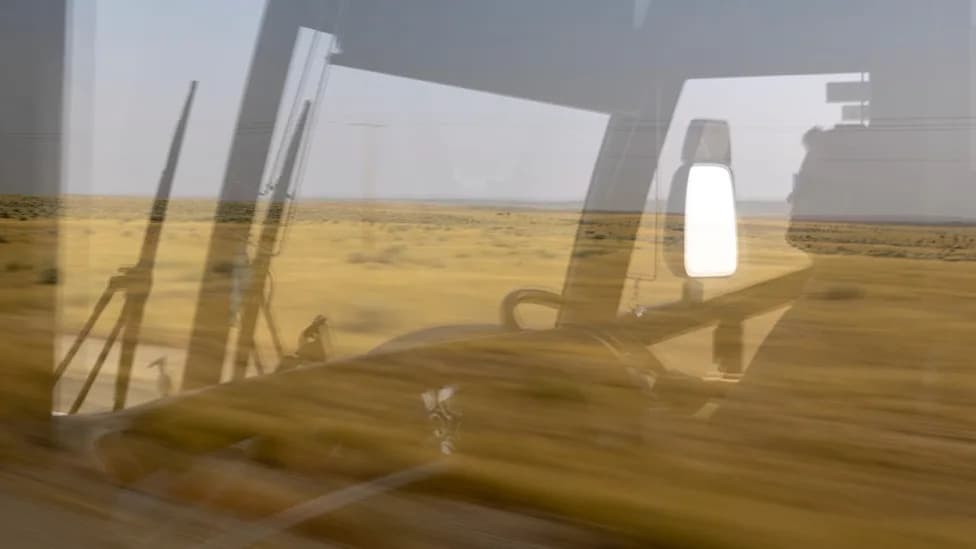
Dave Shepherd is one of the 65 route's drivers [BBC]
The number 65 bus connects the Cambridgeshire market town of St Neots with nearby villages such as Great Paxton, the Offords and Buckden. For many local residents the service is more than a convenience – it is a lifeline that gets them to shops, appointments and social contact. But falling passenger numbers and rising costs mean the route is under formal review.
A Vital Link For Rural Communities
The 65 runs three times a day in each direction, typically starting from St Neots market square, and is noticeably busier on market day (Thursday). Driver Dave Shepherd, who operates the route to the Buckden GP surgery – the terminus – says the service is often the only practical way for some passengers to reach medical appointments: 'Otherwise it’s a taxi, which would cost them an arm and a leg.'
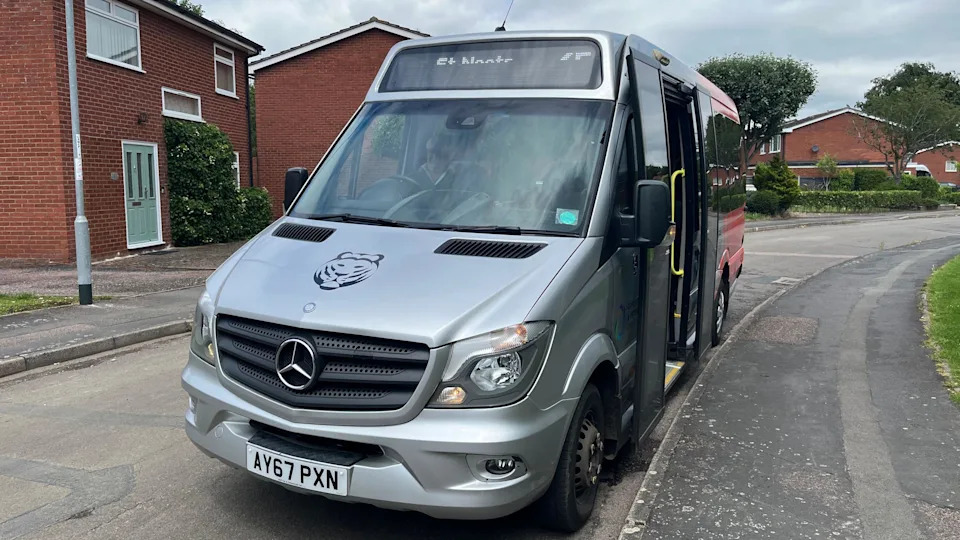
The number 65 is one of the routes under threat in Cambridgeshire [BBC]
'It's my lifeline. I can't get out otherwise. I can't walk... I was 84 last week and I come every day,' said one regular passenger who asked not to be named.
Ridership, Costs and The Review
The Cambridgeshire and Peterborough Combined Authority (CPCA), led by Mayor Paul Bristow since May 2025, says it recognises how much users value the 65. Official figures show weekly boardings on the route fell by more than 10% between 2025 and 2026, to roughly 68 passengers per week. The CPCA also notes the route’s estimated cost is about £16 per passenger, creating a growing funding shortfall.
While no final decision has been taken, the CPCA is running a public engagement exercise through to the end of July to 'review the service rigorously' and assess the social value and value for money of publicly funded bus services.
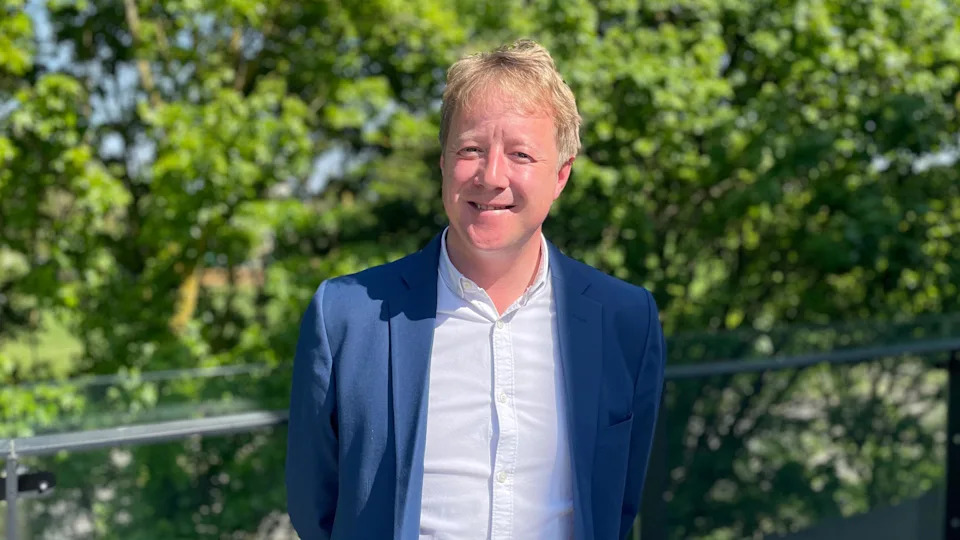
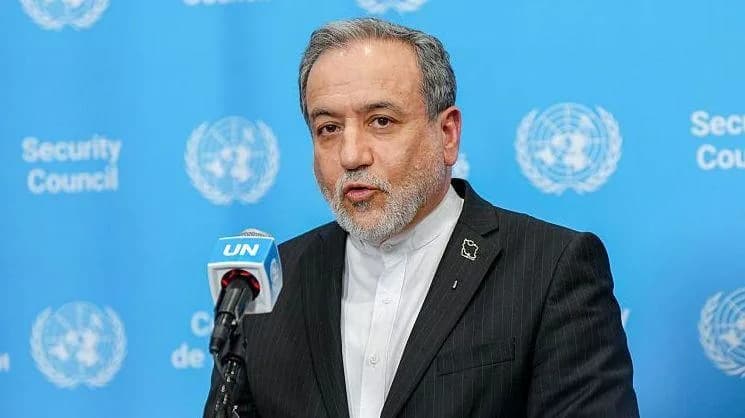
Paul Bristow has committed to not increasing the mayoral precept [BBC]
Franchising, An Independent Review And The Political Context
Longer term, the way buses are managed in the county is due to change with proposed franchising. Under that model the CPCA would set routes, timetables and fares, and operators would bid to run services. Franchising was advanced under the previous mayor, Nik Johnson, but an independent review chaired by Leon Daniels warned that adopting the model in a largely rural county could require major service reductions unless additional funding is found. The report raised the possibility that more than a third of services could be lost over the next decade if funding gaps persist.
The review assumed a gradual increase in the mayoral precept to help fund franchising, but Mayor Bristow has pledged not to raise the precept. He has said the consultants were asked to show how a franchising model common to large urban areas could be adapted for a rural county 'without bankrupting us' and that any rollout would be phased over several years.
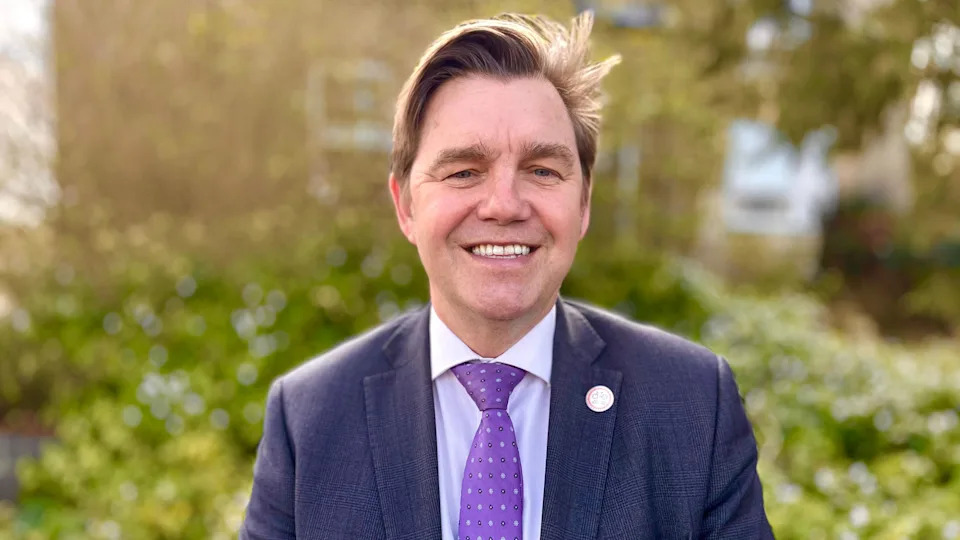
Bus franchising was brought forward by former mayor Nik Johnson [BBC]
Former mayor Nik Johnson notes that when franchising was consulted on, more than 75% of respondents backed it and wanted investment to replace what he described as a 'broken system'. He warned that keeping taxation permanently low limits the ability to subsidise services that deliver social value across rural communities.
What This Means Locally
For small villages along the route, the bus is an essential public service: a means to reach healthcare, shopping and social contact. Passengers and drivers alike stress the human impact of any cuts. The CPCA public engagement invites local views as it balances rising costs, declining demand and the wider policy choices about franchising and funding.
If you have a story about bus services in Cambridgeshire, share it with local news teams. Follow Cambridgeshire coverage on BBC Sounds, Facebook, Instagram and X for updates.
Help us improve.