TfL is establishing a publicly owned operator, Buses for London, to run a small number of routes directly. Route 6 (Willesden–Victoria) will be the first service from late 2027, with four more routes announced over the next year and starting from 2028. The initial base will be Park Royal Depot, leased until 2033 and set to host about 100 zero-emission buses while TfL and the OPDC plan for a permanent depot. The move follows talks with the Unite union and aims to improve safety, reliability and reinvestment in the network.
TfL Launches Public Bus Arm 'Buses for London' — Route 6 to Run From Late 2027
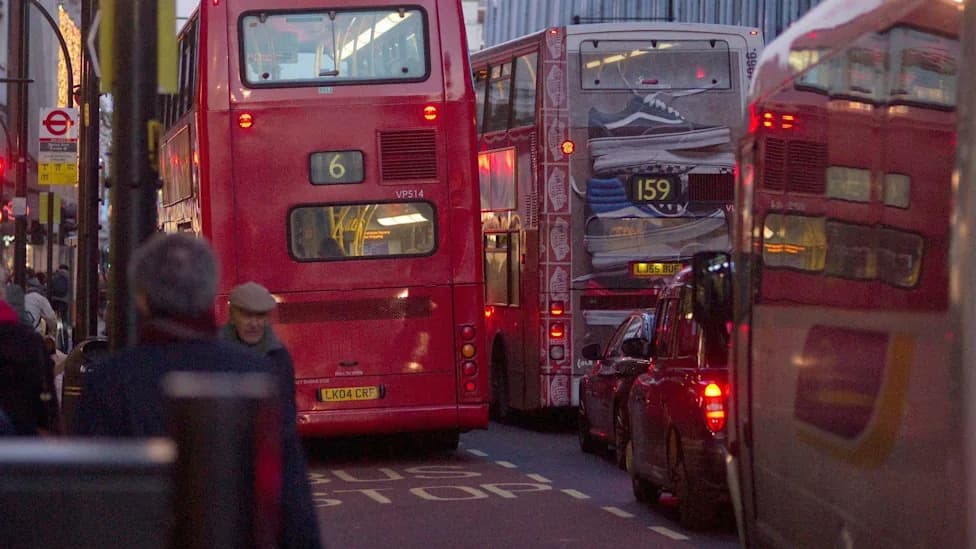
Transport for London says route 6 will be the first run by Buses for London [Getty Images]
Transport for London (TfL) has announced it will create a publicly owned bus operator, trading as Buses for London, to run a selection of London routes directly rather than through private contractors.
The first service to be run by the new operator will be route 6, between Willesden and Victoria, scheduled to begin in late 2027. TfL says it will name four additional routes over the coming year, with those services due to start from 2028.
Currently, roughly 700 London bus routes are operated under contract by eight private companies. TfL says bringing some services in-house will give it greater control over reliability, safety and service standards, and allow any operating surpluses to be reinvested in the wider transport network.
Initial base and vehicles
The new company’s first operating base will be Park Royal Depot in west London, which TfL has leased until 2033. The site will initially house about 100 zero-emission buses. TfL plans to work with the Old Oak and Park Royal Development Corporation (OPDC) to secure a permanent depot site before the lease expires, since the Park Royal site is earmarked for redevelopment under the Old Oak regeneration scheme.
Statements and union talks
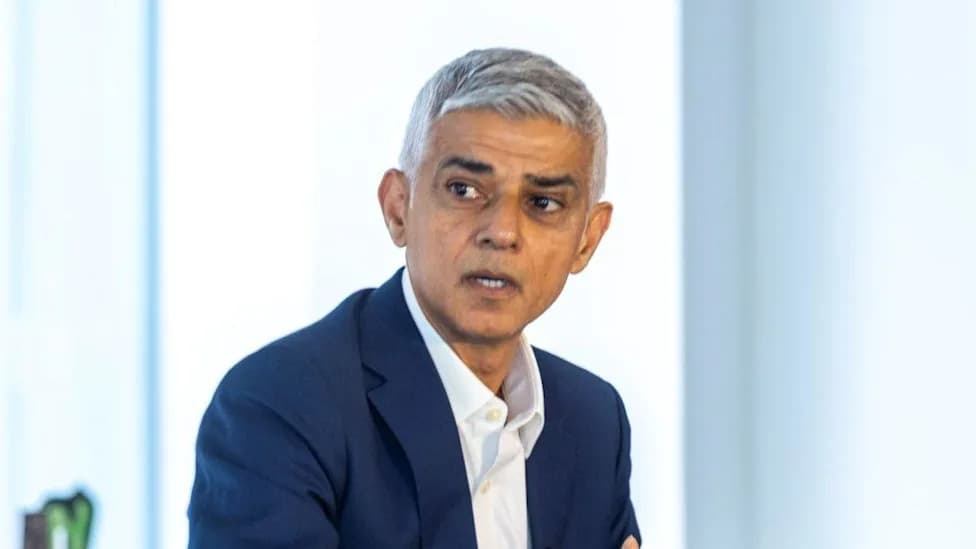
Mayor of London Sadiq Khan described the move as an opportunity to “reimagine our bus network so that it provides better value for money, supports our climate goals, makes our roads safer, and overall just works better for passengers and drivers alike.”
TfL’s director of buses, Lorna Murphy, called the launch “an important first step in exploring how a publicly owned bus company could support the future of the capital’s transport network.” OPDC chief executive Matthew Carpen said the Park Royal depot will “temporarily support London’s transport network” while the site is prepared for redevelopment.
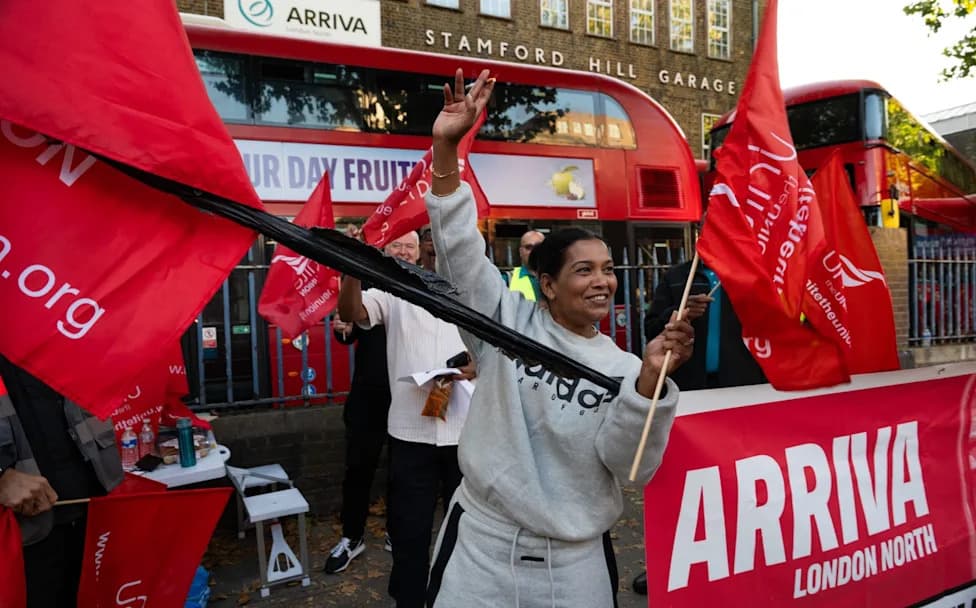
TfL said the plan was developed following discussions with the Unite union, which has long campaigned for public ownership of bus services. Unite general secretary Sharon Graham welcomed the announcement and said the union will work to ensure the new operator provides well-paid, unionised jobs with strong conditions.
How London buses are contracted today
Under the current model, private firms bid for TfL contracts to run routes, with typical franchise terms lasting about seven years. TfL’s phased approach — starting with a small number of routes and expanding over time — is intended to test how in-house operation could complement the existing contracted network.
“Running services ourselves will allow TfL to prioritise safety, reliability and reinvestment for passengers,” TfL said in its announcement.
TfL’s move will be closely watched by passengers, operators and unions as it unfolds over the next several years, from the rollout of zero-emission buses at Park Royal to decisions on a permanent depot location and the selection of additional routes.
Help us improve.