A Wichita bank teller and Officer Liedl stopped an elderly customer from withdrawing $50,000 after a caller impersonated a government official and claimed the money was needed for a "secret mission" to catch hackers. The caller hung up when confronted by police, likely preventing a large loss. Authorities warn this is a common imposter scam and remind the public that no legitimate agency will ask citizens to move or withdraw funds. Victims should contact their bank, file a police report, and report fraud to the FTC or IC3.
Bank Teller and Officer Foil $50,000 'Secret Mission' Imposter Scam in Wichita
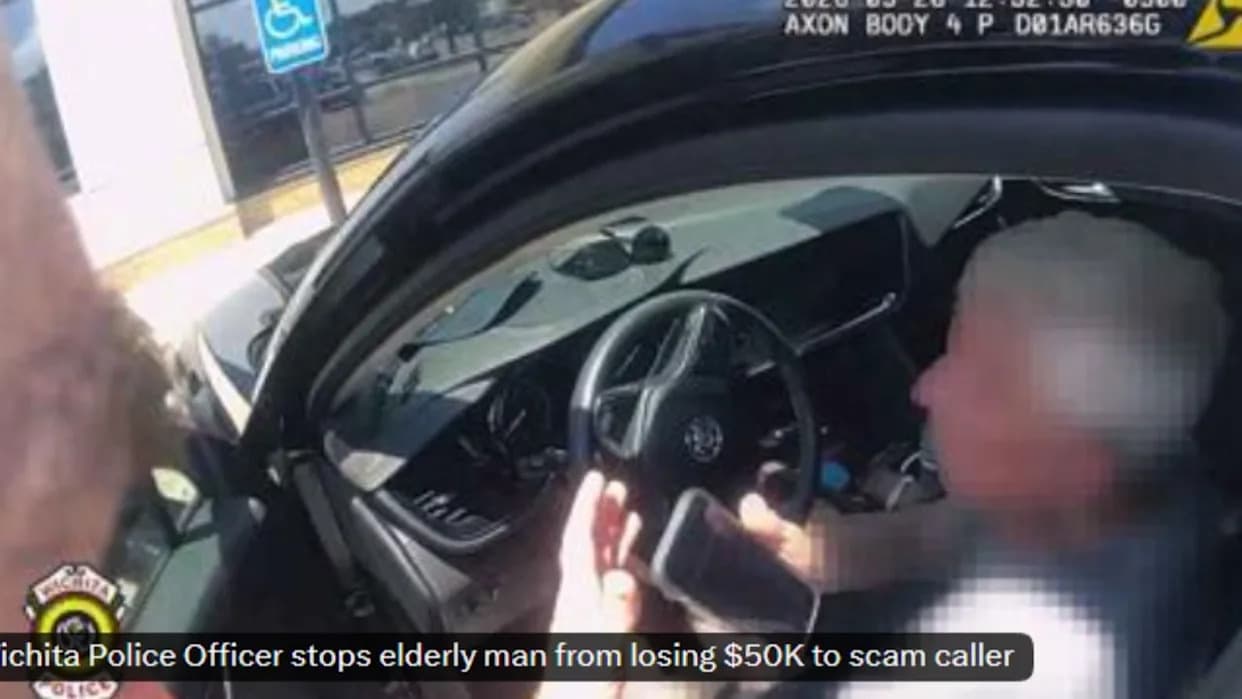
Image Credit: KAKE News/X.
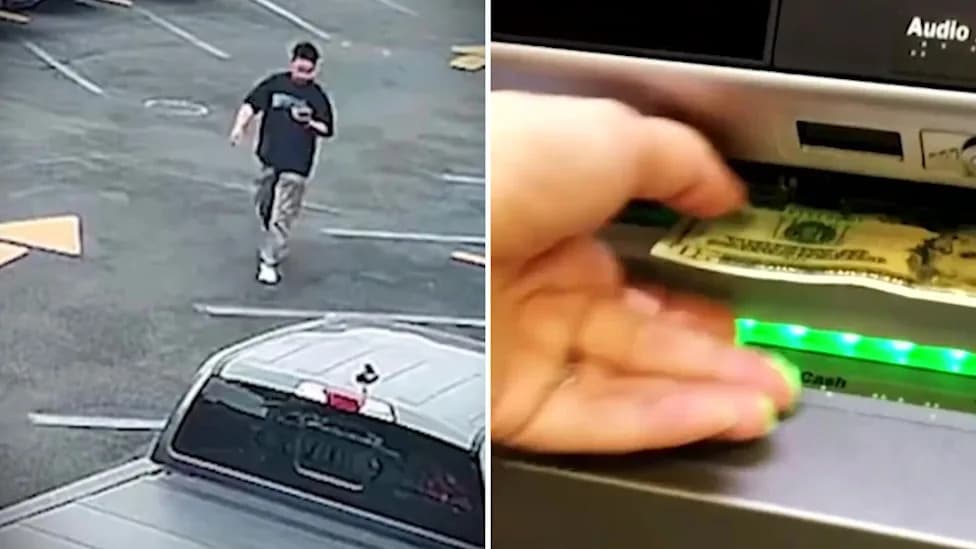
A Wichita bank employee and a responding police officer prevented an elderly customer from losing $50,000 to an imposter who posed as a government official and claimed the withdrawal was part of a "secret mission" to catch hackers.
What Happened
Bank staff became suspicious while the man was attempting to withdraw a large sum. Wichita Police Officer Liedl responded to a welfare check, spoke with the customer in person, and then tried to speak with the person on the call. In a video shared by police, Officer Liedl can be heard asking the caller who he was speaking with; the caller disconnected after the officer identified himself as law enforcement. The bank's intervention likely stopped a $50,000 loss.
How The Scam Worked
Authorities say the caller impersonated a government official and framed the withdrawal as a confidential operation to catch cybercriminals. This is a common imposter-scam tactic that uses assumed authority, high pressure, and instructions not to consult others in order to prevent victims from seeking help.
Local Impact And Official Guidance
Wichita police report scammers have stolen more than $8 million from residents so far this year; that figure reflects only reported losses. The Federal Trade Commission and the FBI warn that legitimate banks, law enforcement agencies, and government offices will never ask private citizens to withdraw or transfer money to protect it or to assist with an investigation.
What To Do If You Receive A Call Like This
- End the call immediately. Do not follow instructions to move cash, buy gift cards, or transfer funds.
- Contact your bank directly using the number on the back of your card, a bank statement, the bank's official app, or the verified website.
- Verify claims of law enforcement by calling your local police non-emergency number or the public number of the agency the caller claims to represent.
- If you are at a bank because of the caller's instructions, tell the banker exactly what the caller said. Bank staff can pause the transaction, contact a supervisor, and request police assistance while funds remain in the account.
- If you already withdrew or sent money, shared account details, or followed the caller's directions: contact your bank immediately, file a police report, and report the scam to the FTC at ReportFraud.ftc.gov. If the caller claimed to be from the FBI or another federal agency, you can also file at IC3.gov.
Bottom line: No legitimate government agency will ask a private citizen to withdraw large sums to help with an investigation. Asking one direct question or notifying bank staff can interrupt a scammer's script and protect potential victims.
Help us improve.