ARPA-H is investing $150 million in the BREATHE program to create an "immune system for every building," funding five teams developing air-management systems that detect pathogens and allergens in real time. Virginia Tech’s project uses biosensors and software to produce instant respiratory-risk scores and can automatically adjust ventilation or filtration when risks are identified. The prototype detects the dust-mite allergen Der f 1 plus nine other agents, with a goal of expanding to 25 detectable targets.
Researchers Build an 'Immune System' for Buildings to Stop Airborne Illness

Scientists are exploring ways to make sure your office isn’t making you sick
Scientists are developing systems to ensure offices and other indoor spaces don’t make people sick by targeting microscopic airborne particles that spread infection and trigger allergies.
ARPA-H (the Advanced Research Projects Agency for Health) has committed $150 million to the BREATHE — Building Resilient Environments for Air and Total Health — program. Five research teams across the U.S. are pursuing what ARPA-H calls "an immune system for every building," designing sensors and automated air-management systems to reduce the spread of disease indoors.

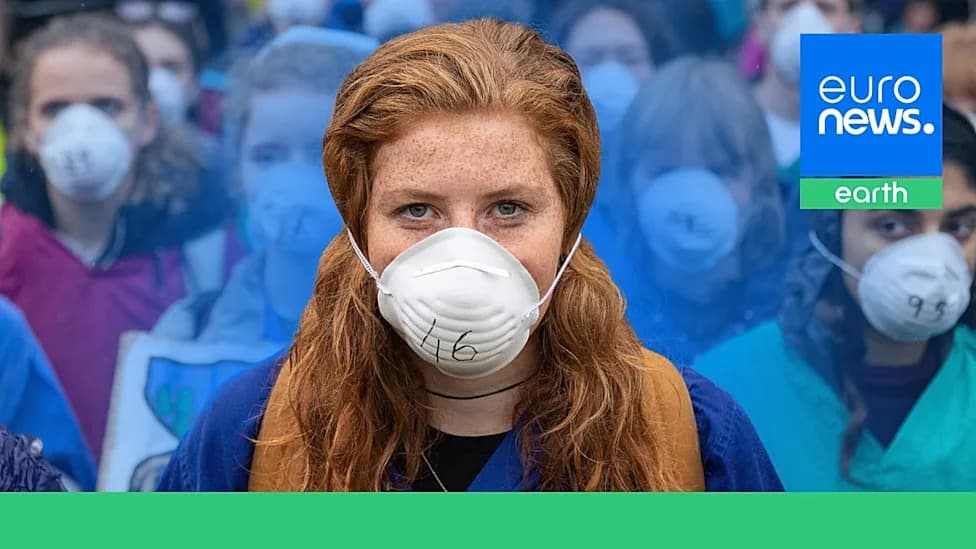
Scientists are exploring ways to make sure your office isn’t making you sick by focusing on tiny particles that can’t be seen with the naked eye (AFP via Getty Images)
The initiative focuses on improving air quality in schools, daycares, hospitals and homes, but the technologies are applicable to offices and virtually any indoor setting where people gather. "We have the right to be breathing healthy indoor air," program manager Jessica Green told an event in Washington showcasing the projects, according to The New York Times.
Historically, researchers such as William and Mildred Wells recognized airborne transmission risks in the early 20th century and used approaches like ultraviolet lamps to reduce infection in crowded indoor spaces during outbreaks. Since then, work to prevent airborne illnesses—including COVID-19 and seasonal flu—has expanded, and teams are increasingly using modern biosensors to detect invisible threats in real time.
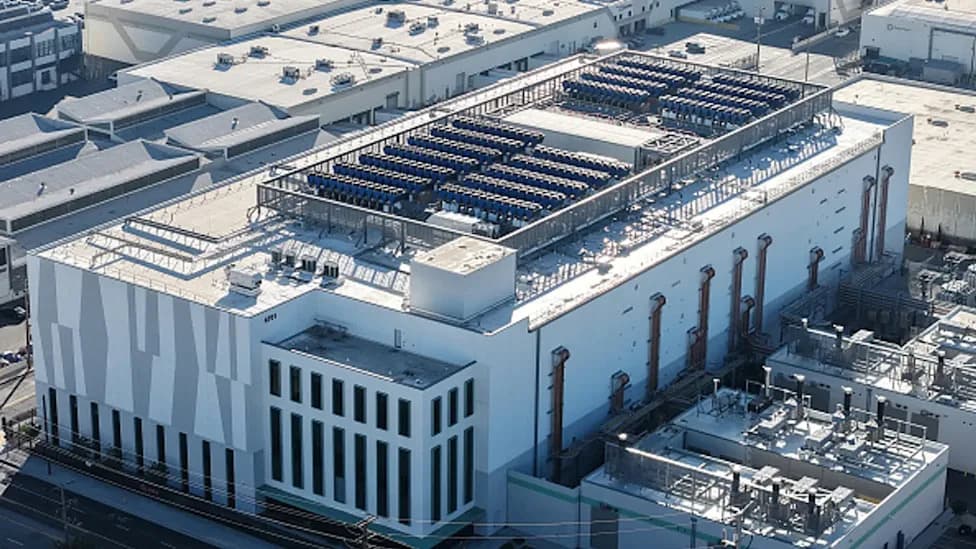
The government is investing $150 million in taxpayer funds to develop air systems designed to reduce the spread of illness (Getty Images)
One leading project, led by Virginia Tech, targets daycare centers. The team has developed a biosensor that detects pathogens and allergens almost instantly. Software translates those readings, together with environmental data, into immediate respiratory-risk scores and can trigger automatic responses—such as increasing ventilation or activating filtration—when a threat is detected.
"Before this instrument, it would have taken us two days to figure out how much was in the air," said environmental engineer Linsey Marr of Virginia Tech. She demonstrated a prototype that currently detects the dust-mite allergen Der f 1 and nine other agents; the team aims to expand detection to about 25 different targets by the end of the program.
Researchers say the combined use of real-time sensing, risk-scoring algorithms and automated building controls could dramatically reduce airborne transmission of infections and lower exposure to common allergens—potentially improving health for children in daycares, patients in hospitals, and workers in offices.
Help us improve.