The East African Crude Oil Pipeline (EACOP) — a 1,443 km route from Uganda's Lake Albert to Tanzania's Tanga port — has been mapped by Earth Insight as crossing black rhino range and 158 Ugandan wetlands, including the SAMUKA Ramsar site. Researchers warn of threats to biodiversity, water security and local livelihoods; SAMUKA's ecosystem services are valued at about $117 million. Estimated emissions are ~34.5 million metric tons CO2e per year over 25 years, while TotalEnergies says 80% of the footprint will be restored.
Analysis: EACOP Cuts Through Black Rhino Range and 158 Ugandan Wetlands — Major Risks to Biodiversity and Water Security
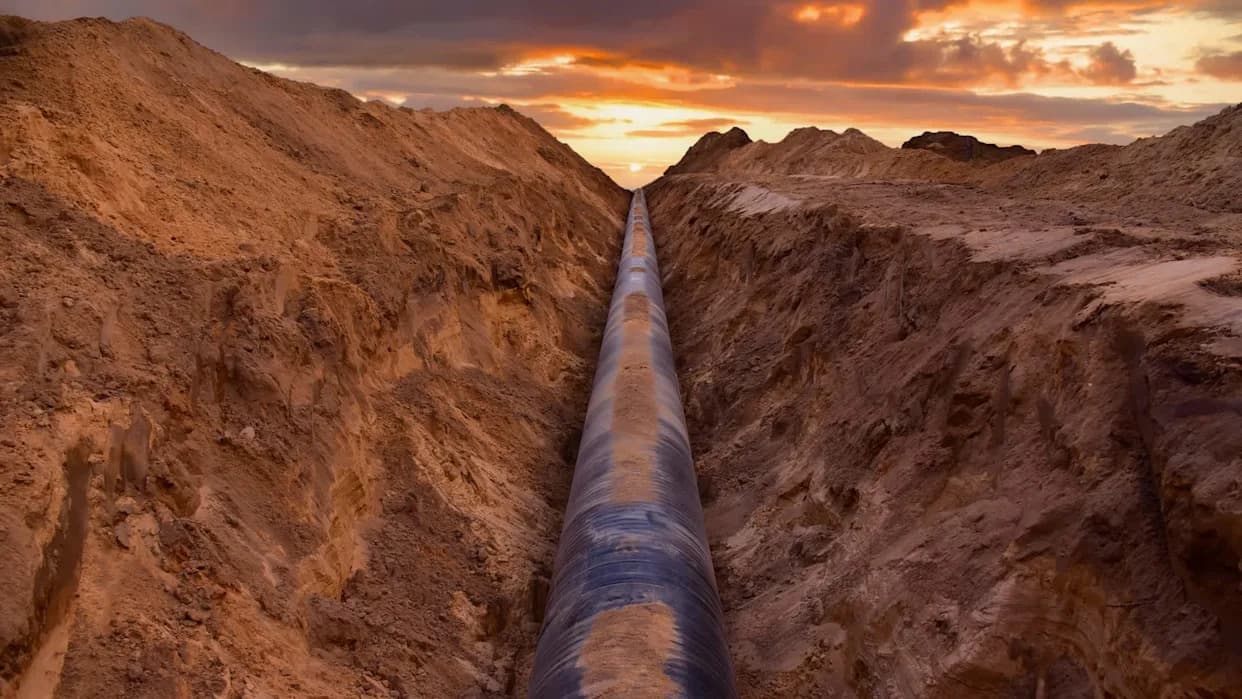
Photo Credit: iStock
A new independent analysis has renewed environmental concerns about the East African Crude Oil Pipeline (EACOP), finding that the nearly completed 1,443-kilometre project crosses wetlands, wildlife habitat and water sources in Uganda and Tanzania.
Key Findings
Earth Insight, as reported by Mongabay, maps the pipeline within the range of black rhinos and shows it approaching or cutting across 158 Ugandan wetlands, wildlife corridors and areas that millions of people rely on for water, food and livelihoods.
The pipeline is designed to carry crude oil from Uganda's Lake Albert region to the Tanzanian port of Tanga. The project is financed and backed by TotalEnergies, CNOOC and the governments of Uganda and Tanzania, and oil transport could begin as early as October 2026.
Sensitive Locations and Species at Risk
Researchers singled out the Kibale/Bukoora River Crossing as particularly vulnerable. Habitat fragmentation there could threaten pangolins, African wild dogs and several primate species. The route also falls within mapped black rhino habitat ranges, raising alarms about impacts on endangered megafauna.
The crossing lies close to the SAMUKA wetland complex and Lake Victoria, meaning a major spill or contamination could ripple far beyond the immediate pipeline corridor.
"It crosses right through endangered species ranges, the most important and critical one being the black rhino habitat range," said Katie Boston, lead researcher for the Earth Insight study.
Local Livelihoods and Ecosystem Services
Boston and colleagues estimate the SAMUKA Ramsar site alone delivers roughly $117 million in ecosystem services — including fisheries, medicinal plants and raw materials used by nearby communities. Local campaigners report that construction activity has already caused soil runoff and siltation in wetlands.
AFIEGO representative Diana Nabiruma told Mongabay that replacement wells and mitigation measures are "subpar," that the project has drawn community water and that soils have flowed into wetland areas, causing siltation and habitat loss.
Climate, Health and Economic Concerns
Mongabay cited an estimate from the Climate Accountability Institute that places EACOP's emissions at roughly 34.5 million metric tons of CO2e per year over a projected 25-year operational lifespan. Extraction, transport and combustion of oil and gas are associated with air and water pollution linked to respiratory and cardiovascular health problems.
Advocates also note a broader equity concern: many households face persistently high energy costs while corporate profits rise and lobbying can slow a transition to cleaner, cheaper energy alternatives that would better protect communities.
Company Response
TotalEnergies has disputed the most severe criticisms, saying route planning aimed to limit harm and that extensive surveys informed the design. A company spokesperson told Mongabay: "Around 80% of the pipeline footprint will be returned to its natural state."
Still, local organizations report widespread grievances: "Every community member AFIEGO has engaged with has raised grievances," Nabiruma said.
What Comes Next
With construction largely under way and transport potentially beginning in 2026, the report underscores the need for transparent monitoring, robust mitigation measures, independent oversight of restoration promises and meaningful redress for affected communities.
Help us improve.