Labour held Makerfield comfortably despite Reform UK winning 35% of the vote. Robert Kenyon's past social posts hurt Reform's campaign, while Nigel Farage's polarising profile and competition from Rupert Lowe's Restore Britain split the right‑wing vote. The result points to fragmentation on the right and suggests Reform faces structural limits to becoming a governing force.
Makerfield Result Exposes Right-Wing Fractures — Farage’s National Ambitions Now Uncertain
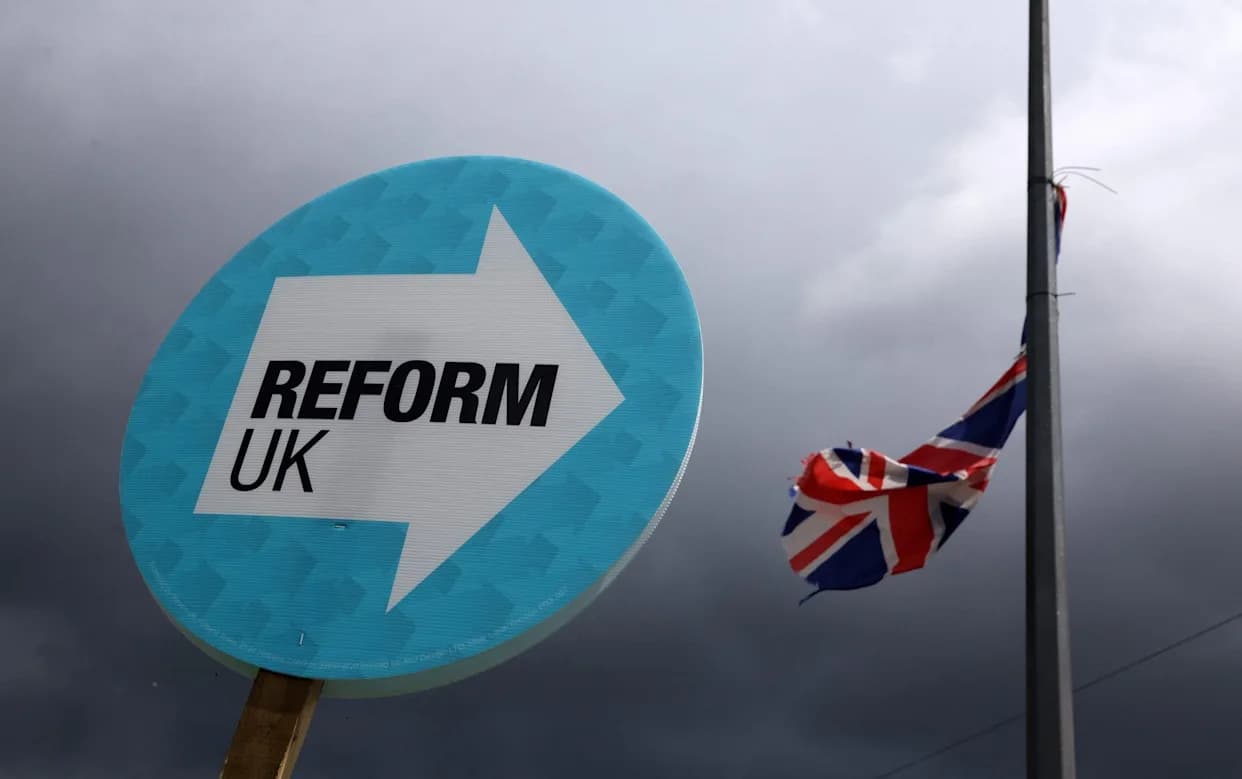
Reform UK’s chances in Makerfield were hampered by a ‘right-wing ferret-sack fight’ - Darren Staples / AFP
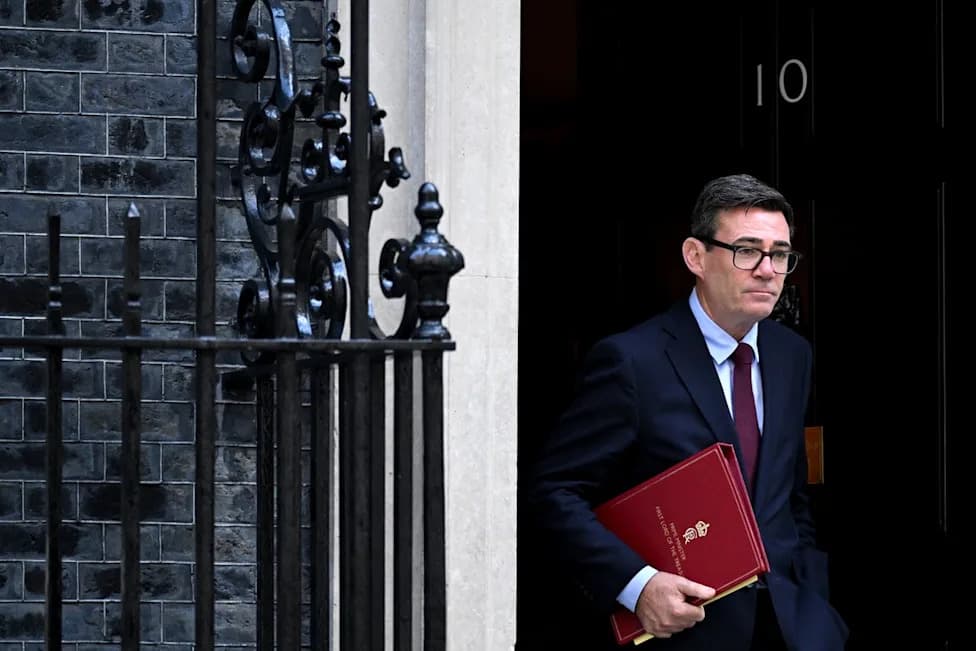
Labour's decisive hold on Makerfield has highlighted the limits of the right‑wing challenge: Reform UK increased its share to 35%, but still finished more than 20 points behind Andy Burnham. The result underlines how candidate controversies, internal rivalries and broader strategic weaknesses can blunt momentum even in a Brexit‑leaning, red‑wall seat.
Candidate Controversy
Reform's candidate, Robert Kenyon—a local councillor and plumber—was forced to defend past social‑media posts that alienated both opponents and some potential supporters. On an old rugby forum he called Brexit 'nationalistic pish', and a 2021 tweet referenced a crude, sexually explicit remark about Carol Vorderman. While Kenyon's selection was a misstep for a high‑profile contest, these personal errors alone do not fully explain Reform's failure to overturn Labour in Makerfield.
The Farage Factor
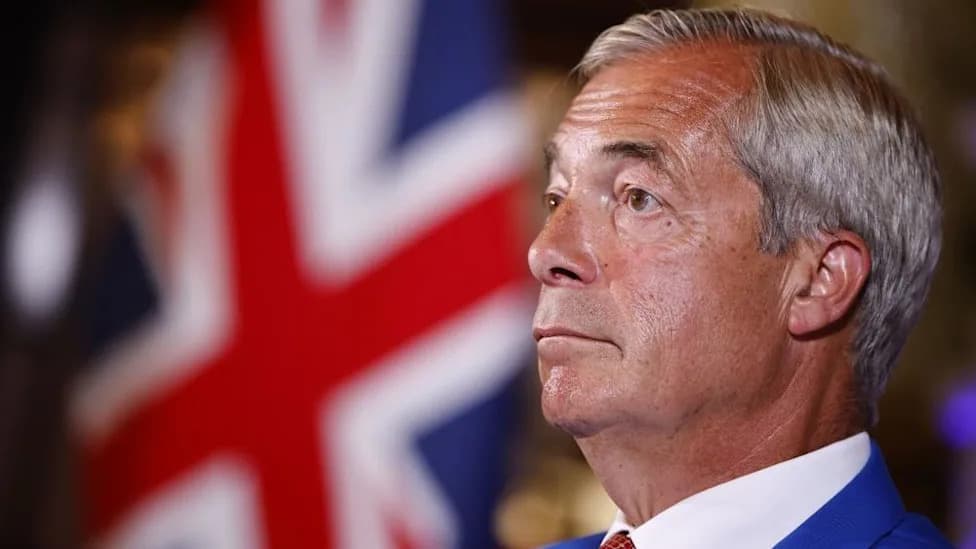
Nigel Farage remains a polarising figure. His profile attracts a significant segment of the electorate, but his presence also appears to repel others—especially older, traditionally Labour, blue‑collar voters the party hopes to win. That contradiction may limit Reform's ability to convert vote share into governing power: popular enough to build momentum, but unpopular enough to block a path to Downing Street.
Right‑Wing Fragmentation: Restore Britain
Rupert Lowe's Restore Britain polled about seven per cent—well below some canvassing claims—but its real impact was strategic. By drawing attention and votes away from Reform, Restore turned a potential two‑way protest against Labour into a three‑way contest defined by infighting on the right. For many voters, the rivalry raised questions about what Reform stands for and diminished its outsider appeal.
Conservative Context
The Conservatives were able to claim wins elsewhere, including a rare Scottish by‑election victory and some council gains. Figures such as Kemi Badenoch are likely to highlight those results as evidence the party remains competitive and to use Reform's weaknesses to their advantage.
What It Means
Combined, the right‑of‑centre vote in Makerfield could not overcome Labour. If this pattern repeats nationally, it suggests a realignment on the right—fragmentation among parties and personalities—even as Labour retains the upper hand. Rather than face Labour, the immediate struggle on the right may become a contest over who leads a side that repeatedly falls short.
Makerfield shows that electoral success requires more than protest votes and personality politics; it demands coherent strategy, disciplined candidate selection and an appeal broad enough to unite, not divide, the centre‑right electorate.
Help us improve.