Wearables offer continuous, real-world data that can make clinical trials smaller, faster and more patient-centred, but adoption in pharmaceutical trials remains limited. Dudley Tabakin of VivoSense highlighted operational issues (incomplete or noisy data), the “algorithm trap” (algorithms built on healthy users), and regulatory hurdles—no digital endpoint has yet driven a drug approval. Early protocol design, disease-specific algorithms and validation at sensor, analytical and clinical levels, plus early regulator engagement, are essential to realise their promise.
Unlocking Wearables' Full Potential in Clinical Trials: Practical Steps, Pitfalls and Regulatory Hurdles
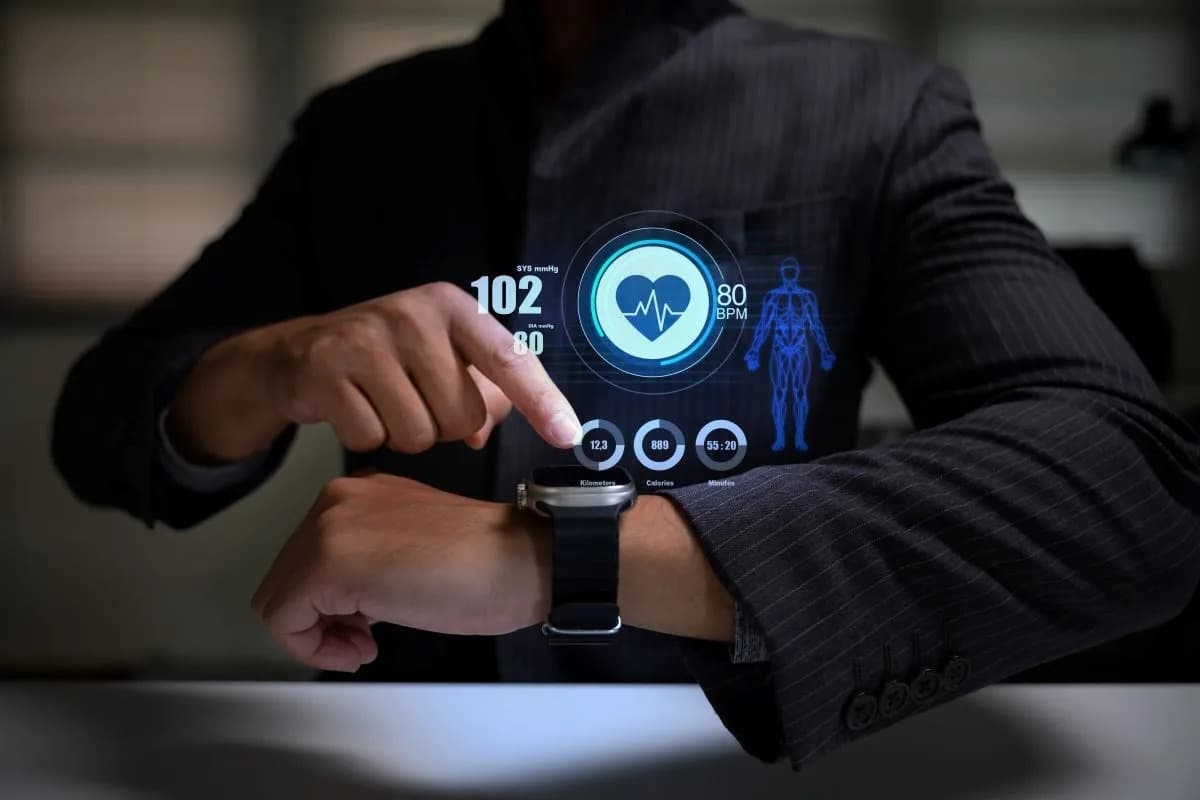
Wearable devices—smartwatches, fitness bands and rings—that continuously track sleep, activity, heart rate and recovery are increasingly common among consumers. In clinical research, these sensors promise objective, high-frequency data that can make trials smaller, faster and more patient-centred. Yet adoption in pharmaceutical trials remains limited. At the Outsourcing in Clinical Trials (OCT) UK & Ireland 2026 conference (June 9–10, London), Dudley Tabakin, founder and CEO of VivoSense, outlined why and how wearables could transform drug development—if implementation and regulatory barriers are addressed.
Why Wearables Matter
Traditional trial endpoints rely on episodic clinic visits—six-minute walk tests, periodic questionnaires and scheduled assessments—that capture only snapshots of patient status. Wearables provide continuous, real-world monitoring that can detect subtle changes in mobility, activity patterns and symptoms between visits. This capability is particularly valuable in rare diseases and chronic conditions where conventional endpoints may be insensitive or miss infrequent events.
Operational And Technical Challenges
Tabakin estimated that just over 1,000 clinical trials have used wearable sensors in the past 25 years, a small share of total trials in that period. He emphasised that the main barriers are operational and analytical, not the sensors themselves. Key problems include:
- Fragmented, incomplete or noisy data caused by device nonuse, signal loss, or site errors.
- Algorithms developed and validated on healthy users that perform poorly in clinical populations—the “algorithm trap”.
- Protocol designs that don’t account for the logistics and oversight required for continuous monitoring.
Example: The Algorithm Trap
Standard sleep algorithms can overestimate sleep efficiency in people with chronic obstructive pulmonary disease (COPD), producing results that conflict with patients’ reported sleep problems. Disease-specific algorithm adjustments and validation are therefore essential for accurate measurement and meaningful interpretation.
Improving Data Quality And Availability
According to Tabakin, wearable data quality depends as much on operational execution as on sensor choice. Incomplete datasets are often unsalvageable, so robust compliance monitoring and operational oversight are crucial to preserve statistical power. Focused, protocol-specific interventions can raise data availability to about 95%.
Validation And Regulatory Acceptance
Regulatory acceptance remains the largest hurdle: to date no digital endpoint has been the primary basis for drug approval. Tabakin stressed the need for early and ongoing engagement with regulators and provided a roadmap for validation that covers three levels:
- Sensor Verification — confirm the device reliably captures the intended raw signals.
- Analytical Validation — demonstrate algorithms accurately transform signals into measurements.
- Clinical Validation — prove the measurements are relevant to meaningful patient outcomes.
VivoSense’s experience illustrates the path: the company identified a digital measure that outperformed conventional assessments for a neuromuscular disease sponsor. The metric demonstrated treatment differentiation and was accepted as a key secondary endpoint in a Phase III programme after regulator discussions—highlighting that measures must be meaningful to patients, not just mirror in-clinic legacy tests.
Practical Steps For Sponsors
- Plan early: involve statisticians, operations teams and regulators during protocol design.
- Select sensors that balance participant burden, data quality and study objectives.
- Develop or adapt algorithms for the target disease population and validate them clinically.
- Implement continuous operational monitoring to maximise compliance and data availability.
- Engage regulators early and present a clear validation strategy across sensor, analytics and clinical relevance.
Conclusion
Wearables can reshape clinical research by delivering continuous, patient-centred data that uncovers treatment effects missed by episodic clinic assessments. The core challenge is translating high-frequency digital signals into robust, regulator-acceptable evidence. With early planning, bespoke algorithms, strong operational oversight and proactive regulator engagement, wearable-derived digital measures can become a reliable component of future clinical trials.
Source: Originally published by Clinical Trials Arena. Summary and commentary based on Dudley Tabakin’s presentation at OCT UK & Ireland 2026.
Help us improve.