The US Navy has issued an RFI seeking contractors to move, dismantle and dispose of USS Long Beach, the first nuclear‑powered surface combatant. The cruiser, decommissioned in 1995 and already stripped of major structures, will require dry transport and specialized handling of reactor components as low‑level radioactive waste. An NVHE found the ship ineligible for historic listing due to extensive alterations. Industry Day will be held June 24–25 in Washington, D.C., and the RFI does not include timelines or cost estimates. The Enterprise carrier’s long, costly disposal effort highlights the regulatory and technical challenges ahead.
End of an Era: US Navy Seeks Contractors To Dismantle USS Long Beach, First Nuclear-Powered Cruiser
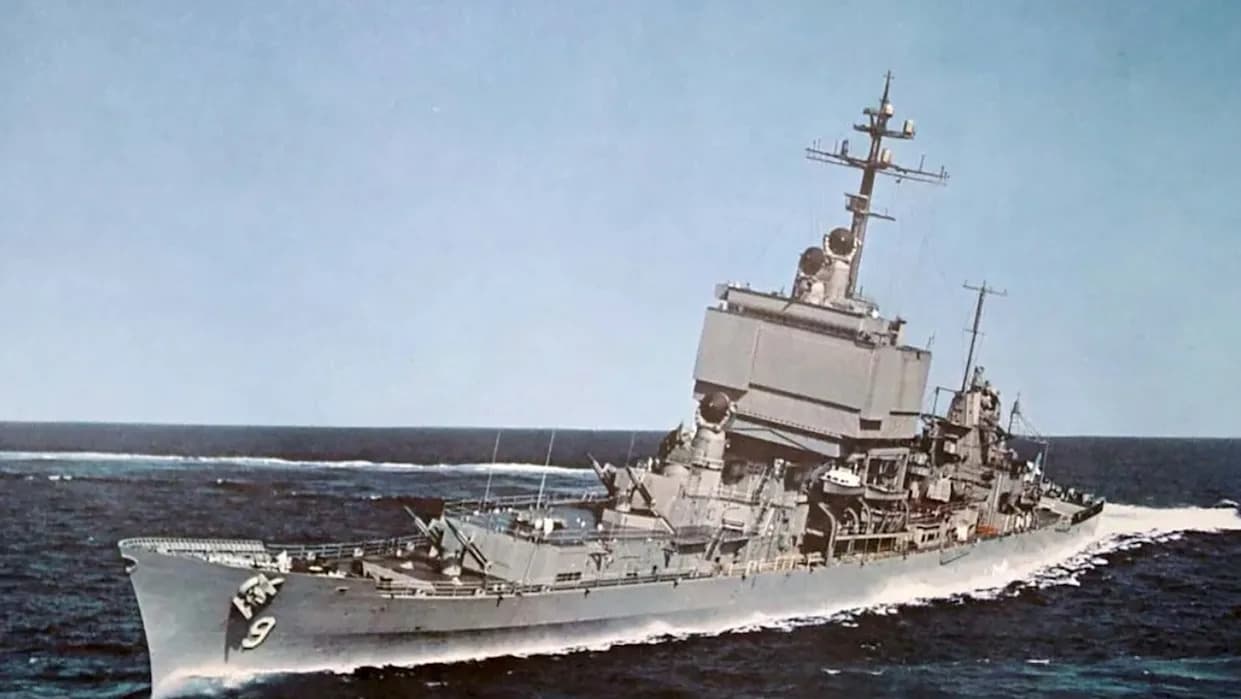
The Navy is finally seeking to dispose of the USS Long Beach, the world's first nuclear-powered surface combatant.
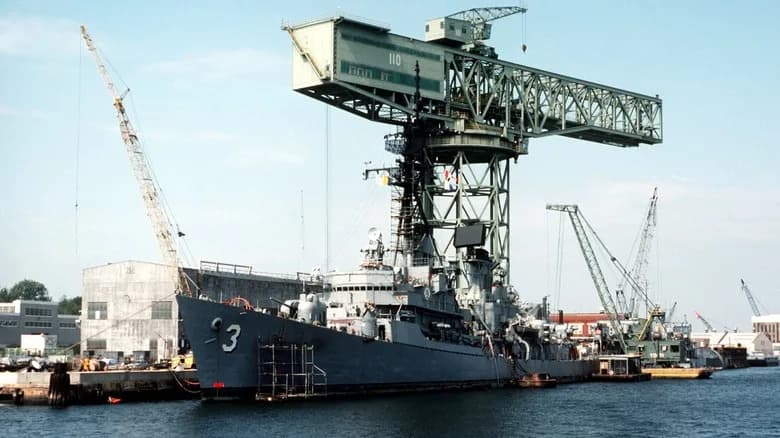
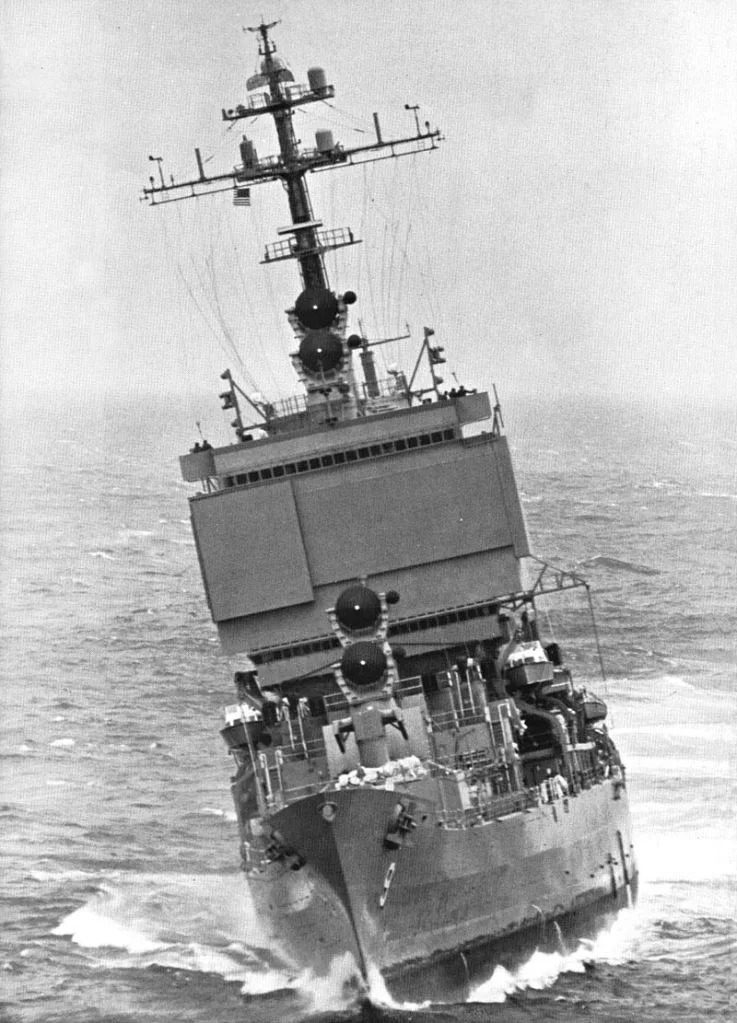
More than three decades after being decommissioned, the US Navy is preparing to dispose of the remains of USS Long Beach, the world’s first nuclear‑powered surface combatant. The cruiser has been moored at Puget Sound Naval Shipyard and Intermediate Maintenance Facility since 1995, following removal of its distinctive boxy superstructure and, later, both bow and stern sections.
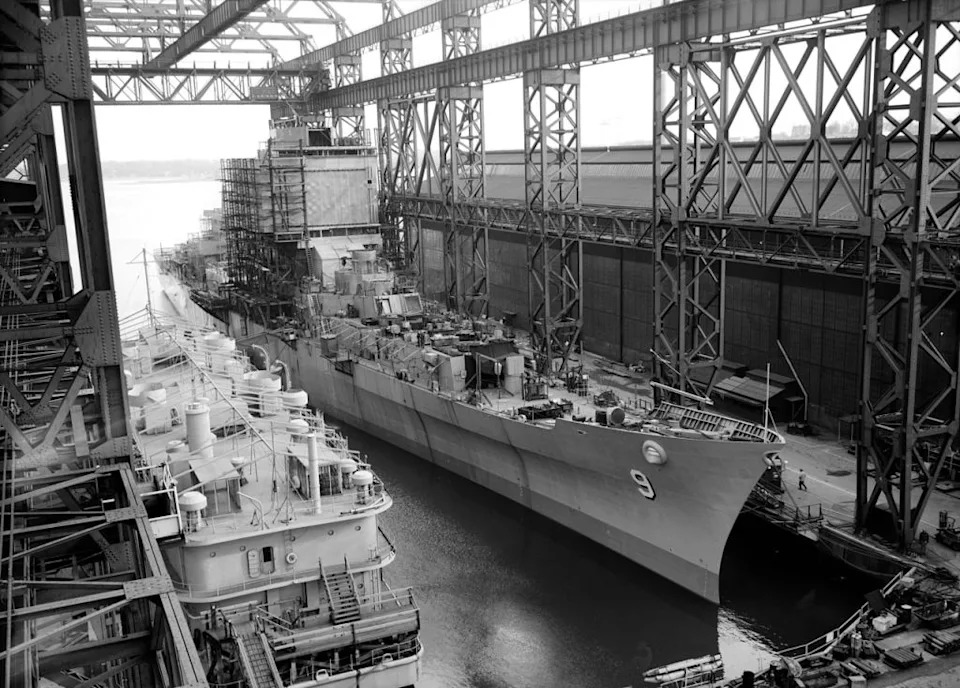
The USSLong Beach, world’s first nuclear-powered surface combatant, under construction. (USN)
Request For Information Seeks Specialized Contractors
On Wednesday, the Navy issued a request for information (RFI) seeking companies able to handle the extremely complex task of transporting, dismantling, demilitarizing and disposing of the ship’s remnant hull sections and reactor components. Long Beach was launched in 1959, commissioned in 1961 and displaced about 15,540 tons; it contains two defueled reactor plants.
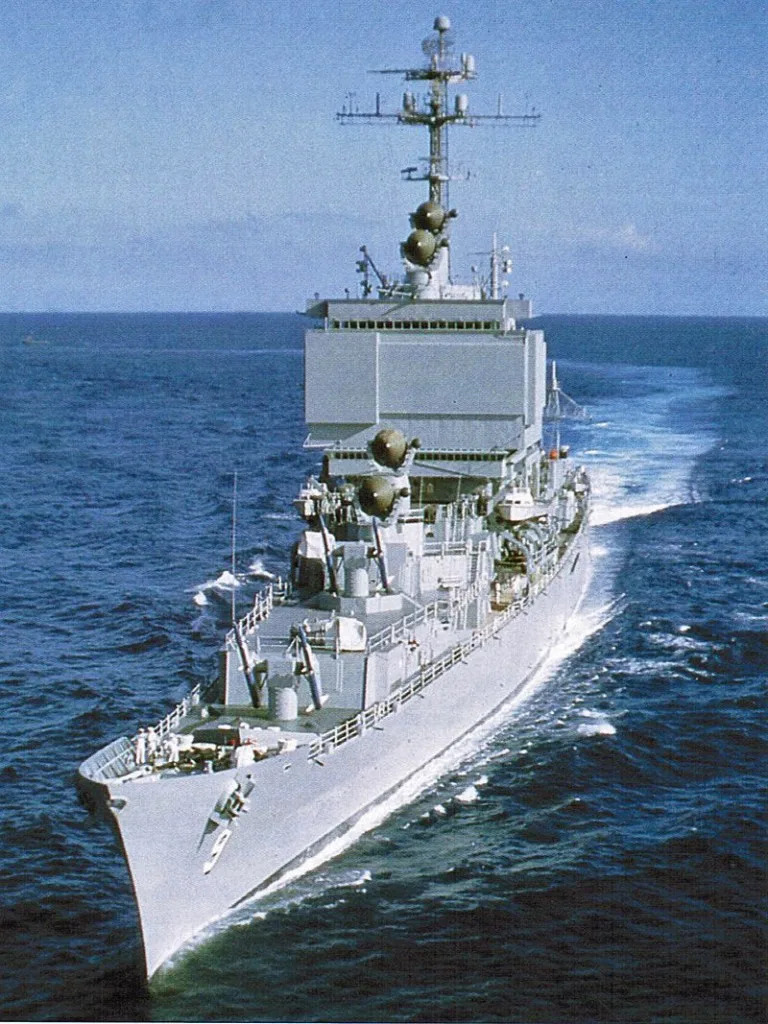
USSLong Beach. (USN)
Why Now?
An April Naval Vessel Historical Evaluation (NVHE) concluded Long Beach is ineligible for listing on the National Register of Historic Places. The evaluation cited major alterations — removal of the superstructure, main armament and significant hull elements — that have changed the vessel’s historic design and appearance. A 60‑day public comment window closed with no stakeholder responses.
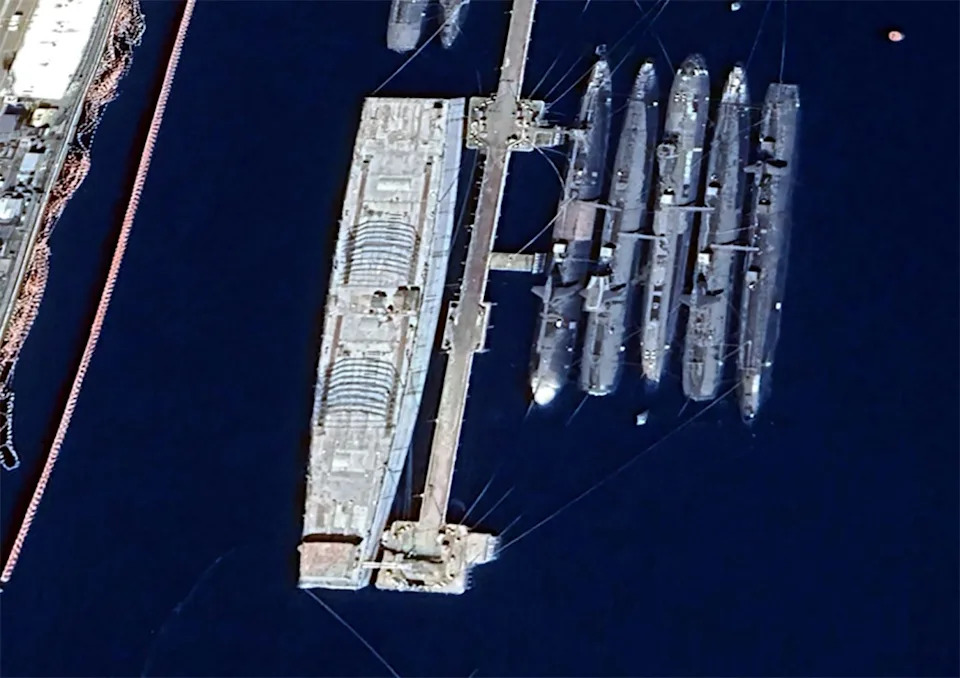
What’s left of the USSLong Beach. (Google Earth)
Planned Work And Logistics
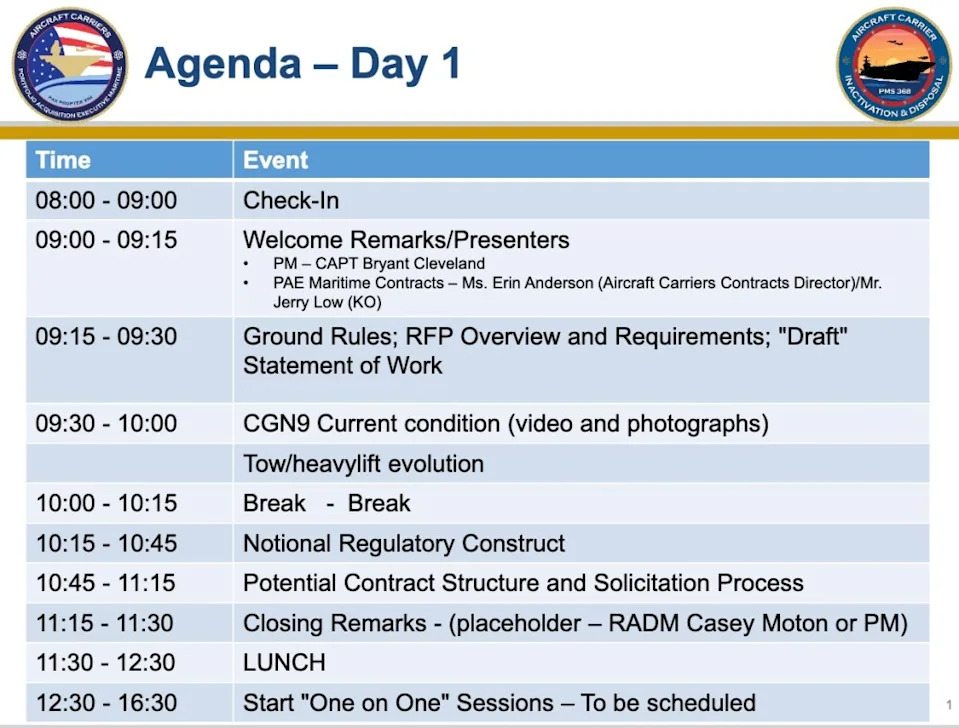
The Navy will host an Industry Day on June 24–25 in Washington, D.C., to brief interested firms. According to the RFI, because of the hull’s current structural condition, the chosen contractor will need to move the ship by dry transport — for example, via semi‑submersible barge, deck barge, or semi‑submersible heavy lift vessel — rather than an open‑ocean tow.
USN
The disposal scope includes dismantling and recycling remnant hull sections at an authorized commercial facility in compliance with federal, state and local law, and removing and packaging reactor plant components for transport and disposal as low‑level radioactive waste (LLRW) at authorized radioactive waste facilities. The RFI contains no timelines or cost estimates and does not guarantee a follow-on request for proposals.
Screenshot
Context: Why Nuclear Ship Disposal Is So Hard
Disposing of nuclear‑powered warships is far more complicated and costly than breaking up conventionally powered vessels because of radiological, regulatory and security concerns — even after reactors are defueled. Past efforts offer cautionary lessons.
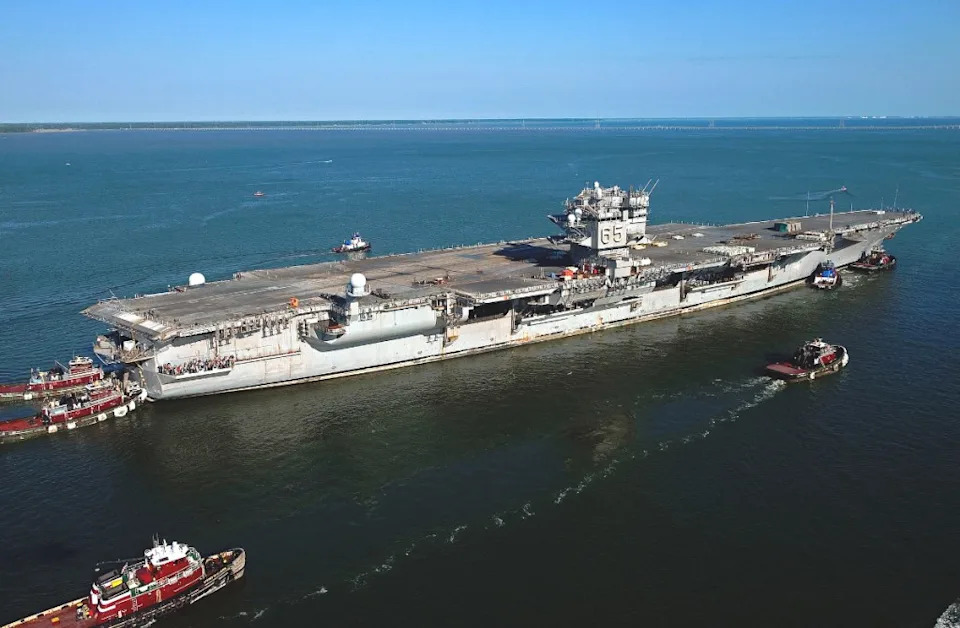
Tugs move the USS Enterprise into Newport News Shipbuilding’s yards in 2013. USN
The aircraft carrier Enterprise (CVN‑65) — far larger and more complex, and fitted with eight reactors — has illustrated the scale of the challenge. A 2019 Government Accountability Office review estimated Enterprise’s full disposal could cost more than $1.5 billion and take over 15 years. Disputes with regulators, limits on Nuclear Regulatory Commission authority in some states, questions about where classified work could be performed, and the risk of straining Navy shipyard capacity all complicated the carrier’s dismantling effort.
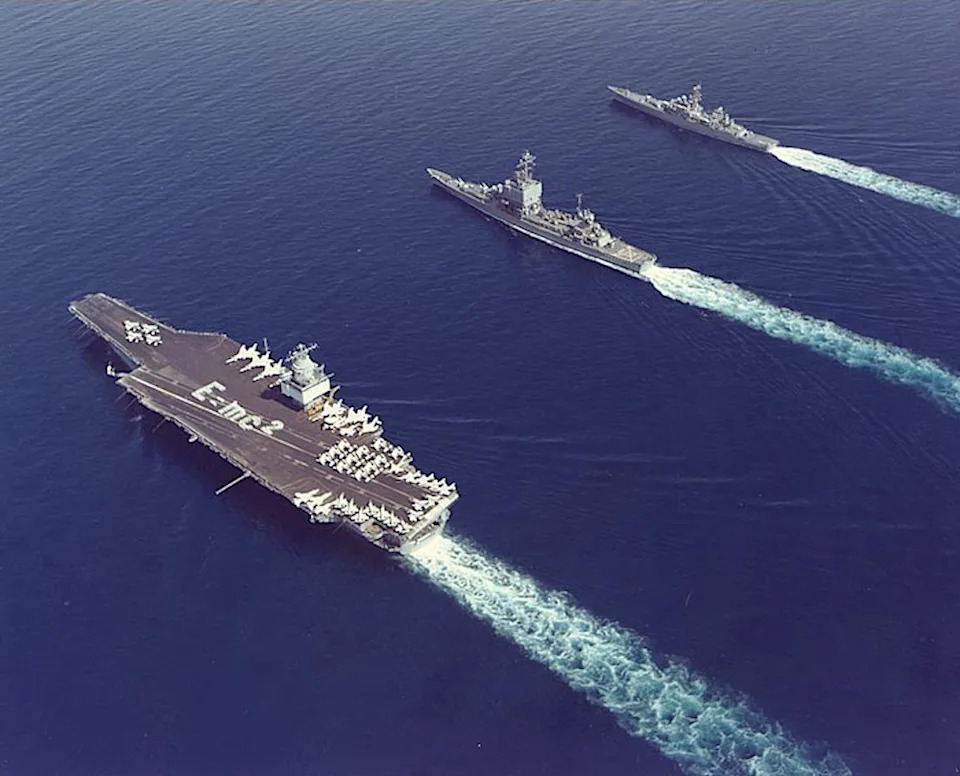
A trio of nuclear-powered Navy surface warships sail together in 1964. From left to right, the aircraft carrier USSEnterprise, the cruiser USSLong Beach, and the frigate USSBainbridge. USN
In May 2025, the Navy awarded a $536.7 million contract to a commercial firm to dismantle Enterprise, marking a milestone: the first U.S. nuclear warship slated for commercial dismantling. That award later ran into legal challenges over bid handling that paused the project and prompted the Navy to reassess the procurement.
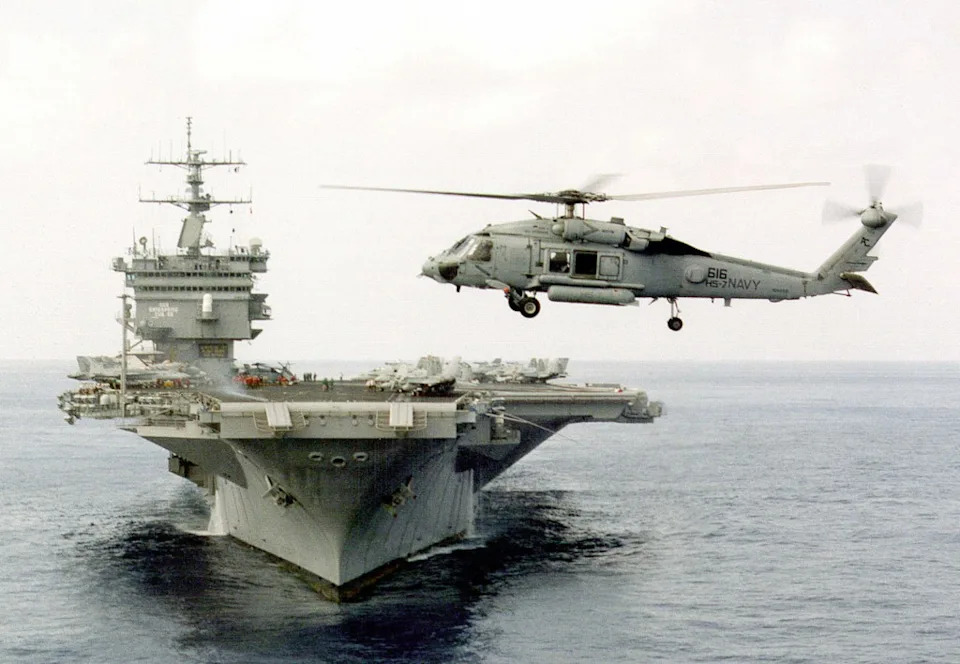
An SH-60 Blackhawk helicopter assigned to Helicopter Anti-Submarine Squadron Seven (HS-7) hovers off the bow of the aircraft carrier USSEnterpriseCVN 65. (DoD photo by Petty Officer 3rd Class Timothy Smith.) Cpl. Madisyn Paschal
What This Means For Long Beach
Long Beach is smaller and less complex than Enterprise — two reactors versus eight and significant preparatory work already completed — but the project will still require specialized planning, regulatory approvals and secure handling of radioactive materials. How lessons from the Enterprise effort will be applied remains an open question; interested contractors will have an opportunity to press Navy officials on those issues at Industry Day.
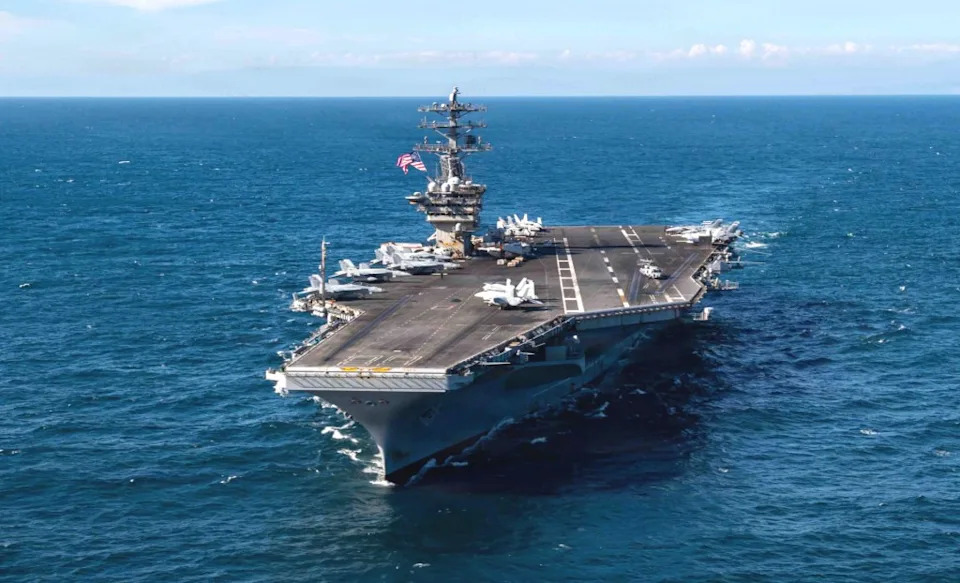
The aircraft carrier USSNimitzunderway. (USN)
Note
The Navy previously offered the hull for scrap in 2012; reports then described the vessel as containing roughly 10,000 tons of steel, 300 miles of electrical cable and about 450 tons of aluminum. The Puget Sound yard completed a limited preservation job in 2015 that removed the bow and stern.
Contact the author: [email protected]
Help us improve.