BCAL Diagnostics is developing BREASTEST Monitor, a blood test to help detect local breast cancer recurrence after treatment. In a validation set of women aged 50+, the test showed 91% sensitivity (20 of 23 recurrences detected) and a 95% negative predictive value. The algorithm was trained on more than 450 samples and evaluated on an independent held-out set of 100 samples. BCAL plans to use the test as an adjunct to imaging while pursuing further validation and recruiting more participants, including women under 50.
BCAL Diagnostics' BREASTEST Monitor: Promising Blood Test to Detect Local Breast Cancer Recurrence
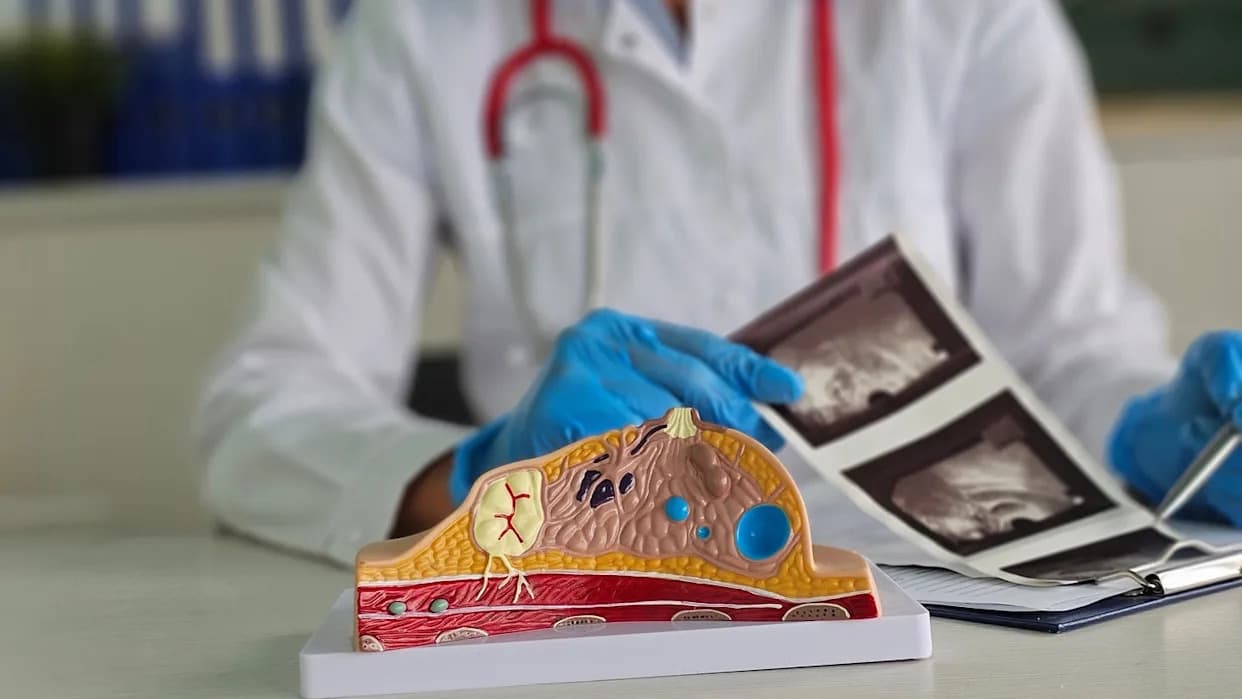
BCAL aims to introduce the test as imaging adjunct
Australian healthcare company BCAL Diagnostics is developing BREASTEST Monitor, a blood-based test designed to help detect local recurrence of breast cancer in the breast or nearby lymph nodes after initial treatment.
Study Results And Validation
In an evaluation of women aged 50 and older with a prior breast cancer diagnosis, BREASTEST Monitor demonstrated a sensitivity of 91%, correctly identifying 20 of 23 confirmed local recurrences, and a negative predictive value (NPV) of 95%. The development process used more than 450 samples to train the algorithm, and performance was assessed on an independent held-out validation set of 100 samples (23 confirmed recurrences and 77 controls with no imaging evidence of recurrence). Those held-out samples were not used during model training and were selected to optimise performance across age groups after breast cancer treatment.
How This Fits With Current Surveillance
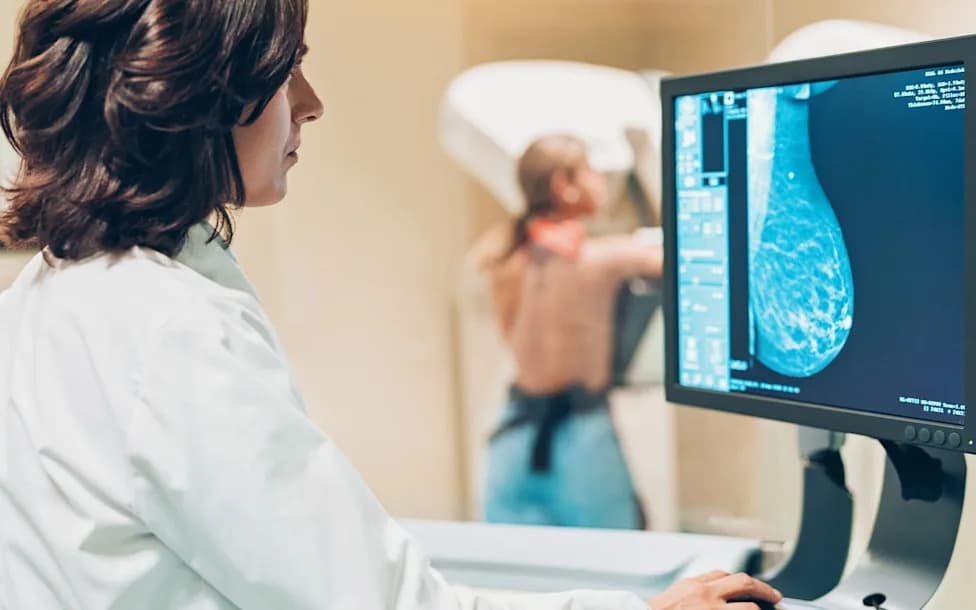
BCAL notes that current post-treatment surveillance relies primarily on imaging — mammography, ultrasound and magnetic resonance imaging (MRI) — which can be time-consuming and costly. Mammography may miss an estimated 25%–32% of recurrences, particularly in women with dense breast tissue or changes resulting from prior therapies. BCAL aims to position BREASTEST Monitor initially as an adjunct to imaging, with ongoing development to support potential future standalone use.
Next Steps And Recruitment
Additional clinical validation studies are planned prior to commercial launch, and BCAL is recruiting more participants, including women under 50 who have previously undergone breast cancer treatment. These further studies will help refine the algorithm and establish clinical utility across broader patient groups.
Anne-Louise Arnett, CEO of BCAL Diagnostics: "BREASTEST Monitor is an important clinical development milestone for BCAL and extends our blood-based diagnostics platform into one of the most significant areas of unmet need in breast cancer care. The team will now work through the validation processes to advance the test."
Separately, BCAL has launched BREASTESTplus, a blood test intended to be used alongside mammography to evaluate breast disease in women with dense breasts. The company also holds an exclusive licence with ClearNote Health for the distribution of certain blood tests in Australia and New Zealand.
Limitations And Guidance
These early results are encouraging but preliminary. The validation involved a modest number of confirmed recurrences (23) in the held-out set; larger, prospective studies will be needed to confirm performance, assess clinical impact, and define the optimal role of the test in surveillance pathways.
Note: The information reported here is for general informational purposes and does not constitute medical advice. Patients should consult their clinicians before making any decisions about testing or treatment.
Help us improve.