SLAMF6 is identified as an internal ‘brake’ on T cells that weakens anti‑tumour immune responses. Monoclonal antibodies that block SLAMF6 self‑activation restored stronger, longer‑lived T cell activity and reduced T cell exhaustion in lab studies and produced robust anti‑tumour responses in mice. The antibodies outperform prior attempts to target SLAMF6, and early‑phase clinical trials are planned to evaluate safety and efficacy in people with solid and blood cancers.
Scientists Identify SLAMF6 As An Internal ‘Brake’ On T Cells — Antibodies Restore Anti‑Tumour Immunity In Mice

A stock image of a patient in a wheelchair and their dedicated caregiver.
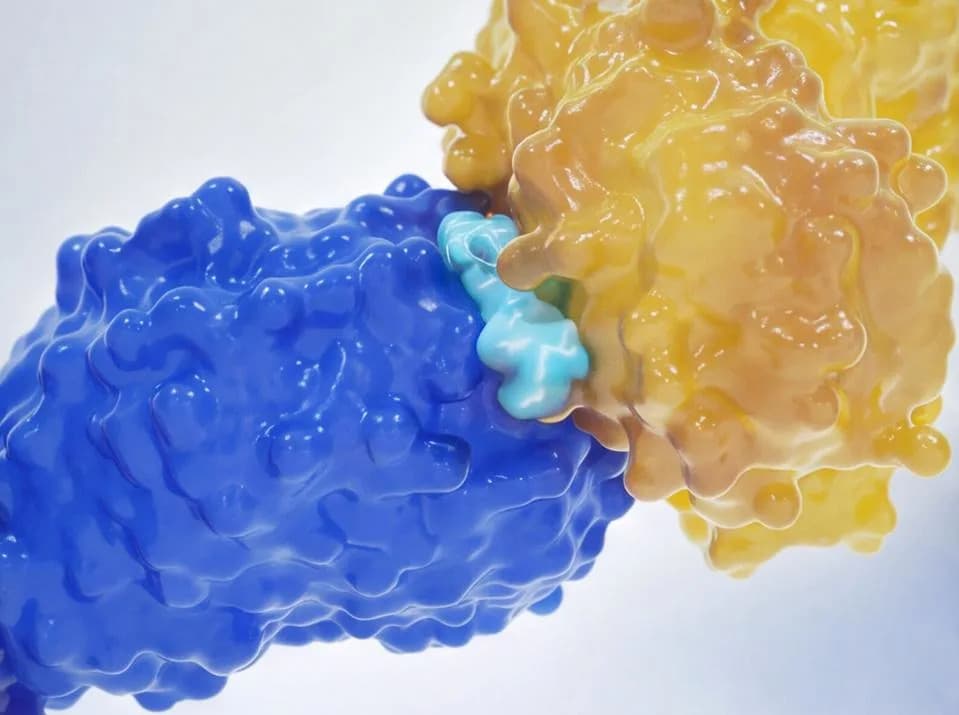
Researchers have identified SLAMF6, a receptor on the surface of T cells, as a previously unrecognized mechanism that weakens anti‑tumour immunity and may explain why some immunotherapies stop working. Laboratory studies show monoclonal antibodies that block SLAMF6 self‑activation restore stronger, more durable T cell responses and produce robust anti‑tumour effects in mice.
Background
Immune checkpoint inhibitors that target proteins such as PD‑1 and CTLA‑4 have transformed cancer care by releasing inhibitory signals that limit T cell attacks on tumours. However, many patients either do not respond or later develop resistance. Dr André Veillette and colleagues at the Université de Montréal investigated additional suppressive pathways and discovered a different kind of checkpoint operating within T cells themselves.
What SLAMF6 Does
Unlike most known immune checkpoints that require interaction with tumour cells, SLAMF6 can self‑activate on the T cell surface and trigger a set of inhibitory signals that:
- Reduce T cell capacity to kill cancer cells
- Decrease production of robust, long‑lived T cells
- Accelerate immune exhaustion, causing T cells to lose effectiveness over time
How The Team Blocked SLAMF6
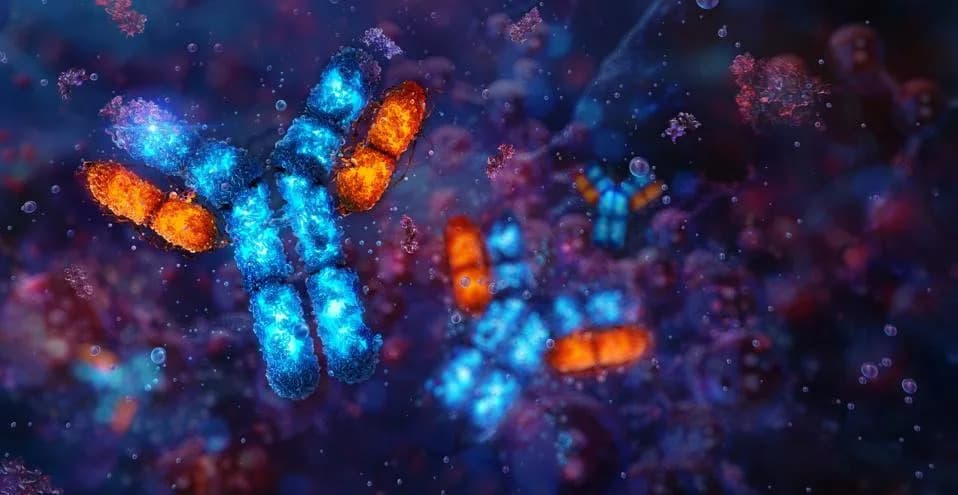
To neutralize SLAMF6, the researchers engineered monoclonal antibodies that prevent the receptor from binding to itself and initiating suppressive signaling. In laboratory experiments with human immune cells and in mouse tumour models, these antibodies produced several encouraging effects.
Key Laboratory Findings
- Increased activation of human T cells in vitro
- Higher numbers of durable, memory‑like T cells
- Fewer exhausted T cells
- Strong anti‑tumour responses in multiple mouse models
Implications And Next Steps
The authors report their antibodies outperform prior attempts to target SLAMF6 and could form the basis of a new class of cancer immunotherapies. This approach may be particularly valuable for patients who no longer benefit from PD‑1/PD‑L1 blockade or whose tumours lack ligands required by other checkpoints. The logical next step is early‑phase clinical trials to assess safety and efficacy in people with solid tumours and haematological cancers.
“By identifying an internal brake that had until now gone unrecognized and by developing antibodies capable of neutralizing it, our researchers are offering an innovative solution to the limitations of current treatments.” — Dr Jean‑François Côté, IRCM
Reference: Adapted from ScienceDaily, "The Secret Reason Some Cancer Treatments Stop Working," published 8 June 2026.
Help us improve.