The FBI warned of a new scam that targets seniors by instructing victims to hand cash to couriers for supposed cryptocurrency purchases. The scheme typically starts with an unsolicited text and may involve impersonation as a crypto expert or a romantic contact to build trust. Scammers show fake wallet deposits, then demand more cash for bogus 'taxes' or 'penalties' to release funds. The FBI advises protecting banking and personal details and reporting incidents to IC3 at www.ic3.gov.
FBI Warns of Crypto Cash-Pickup Scam Targeting Seniors — Millions at Risk
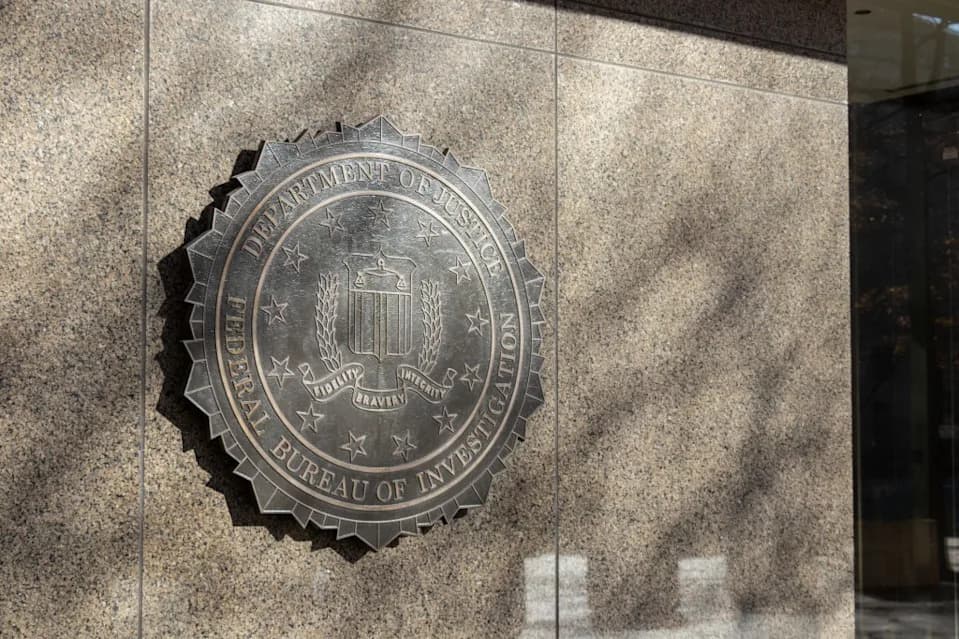
Stock image: Seal of the Federal Bureau of Investigation (FBI) outside its headquarters in Washington, D.C.
The FBI has issued a public advisory about a new investment scam that disproportionately targets older adults, warning that millions could be at risk if the scheme spreads.
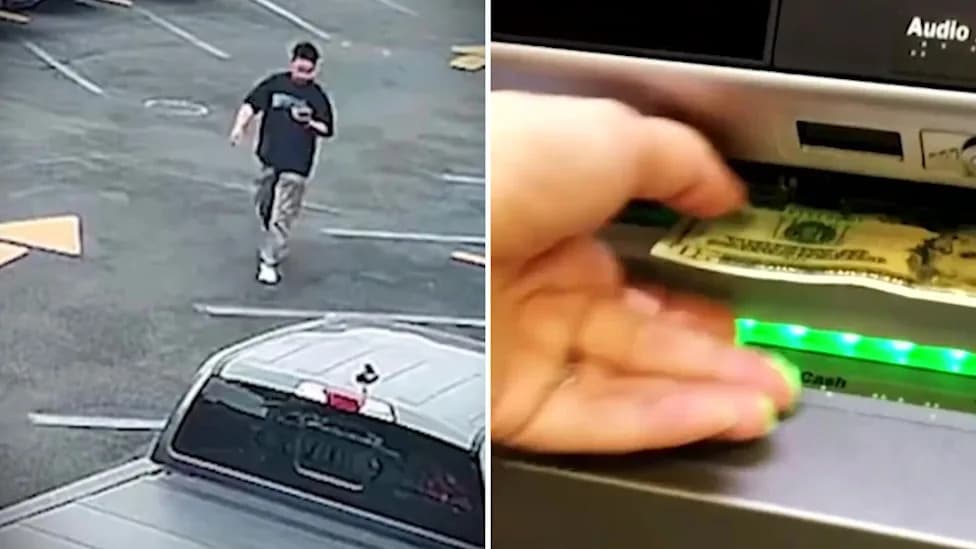
In a bulletin released Monday, the bureau said fraudsters commonly begin with an unsolicited text or social message and then coax victims into meeting couriers in person to hand over cash. Scammers claim the cash is needed to 'protect' funds allegedly purchased on a cryptocurrency platform.
How the scheme typically works
Scammers often open contact by posing as a crypto expert offering investment guidance or as a romantic interest to build trust. Because banks and legitimate financial institutions can detect and block suspicious electronic transfers, fraudsters instruct victims to complete in-person cash exchanges with couriers to make the transactions appear to bypass banking controls.
The victims are told their accounts are 'flagged' and that in-person cash pickups are required. After handing over cash, victims may see fake increases in a virtual wallet to create the illusion of successful trades. When victims try to withdraw funds, scammers then demand more cash for bogus 'taxes' or 'penalties' and send couriers again, trapping victims in a cycle of payments.
Warning signs and FBI advice
The FBI urges the public to be cautious when strangers contact them about money, especially by text or social apps. Be alert to 'love bombing'—excessive flattery and attention intended to build false intimacy—and to any request to meet unknown individuals or hand over cash.
Protect your banking details and personal information, do not disclose your home address to strangers, and never agree to deliver cash or valuables as part of an investment. Victims should file a complaint with the Internet Crime Complaint Center (IC3) at www.ic3.gov and include as much documentation as possible to aid investigations.
While older adults are a primary focus of this advisory, the FBI and other outlets note that younger groups are also targeted by related scams such as tax schemes, fake scholarships, and financial-aid fraud. Newsweek contacted the FBI by email seeking comment.
Help us improve.