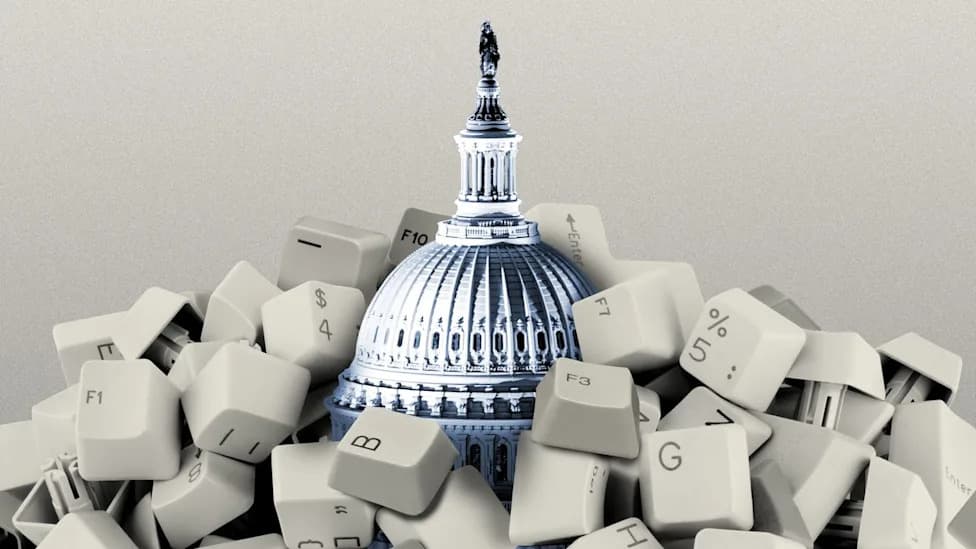
G7 leaders committed to closer coordination on advanced AI and discussed a "trusted partners" scheme to give select non-U.S. users controlled access to U.S. AI models. They asked finance, regulatory and cybersecurity officials to assess how frontier AI could affect financial stability, productivity and labor markets. Concerns were raised that tools like Anthropic's Mythos, intended to find software flaws, could be misused, prompting debate over access controls. European leaders stressed the need for tech sovereignty while maintaining access to leading AI capabilities.
G7 Pledges Tighter AI Coordination, Considers 'Trusted Partners' Access to U.S. Models
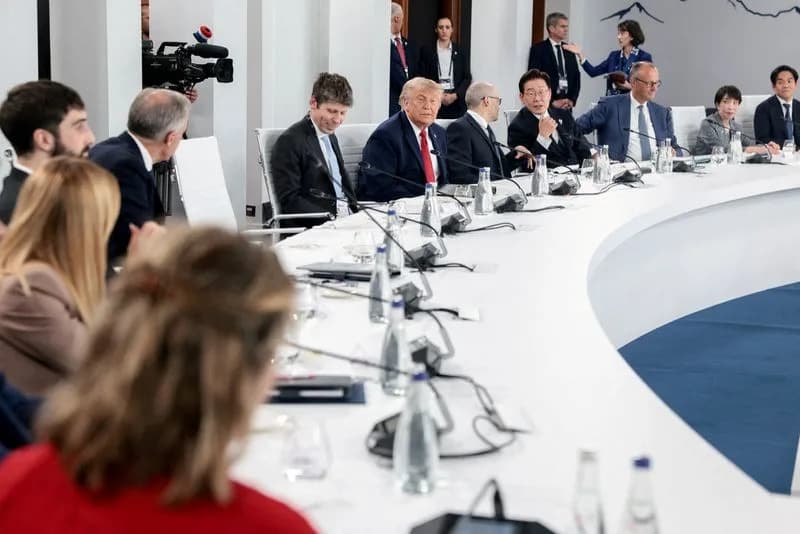
G7 summit in Evian-les-Bains
Evian-les-Bains, France, June 17 (Reuters) - G7 leaders on Wednesday pledged closer cross-border coordination on the risks and opportunities posed by advanced artificial intelligence and discussed creating a "trusted partners" arrangement to allow some non-U.S. users access to advanced American AI models from firms such as Anthropic.
In a joint statement issued on the final day of the June 15-17 summit at the French resort of Evian-les-Bains, the leaders said they would task finance officials, regulators and cybersecurity specialists with evaluating how frontier AI systems might affect financial stability, productivity and labor markets.
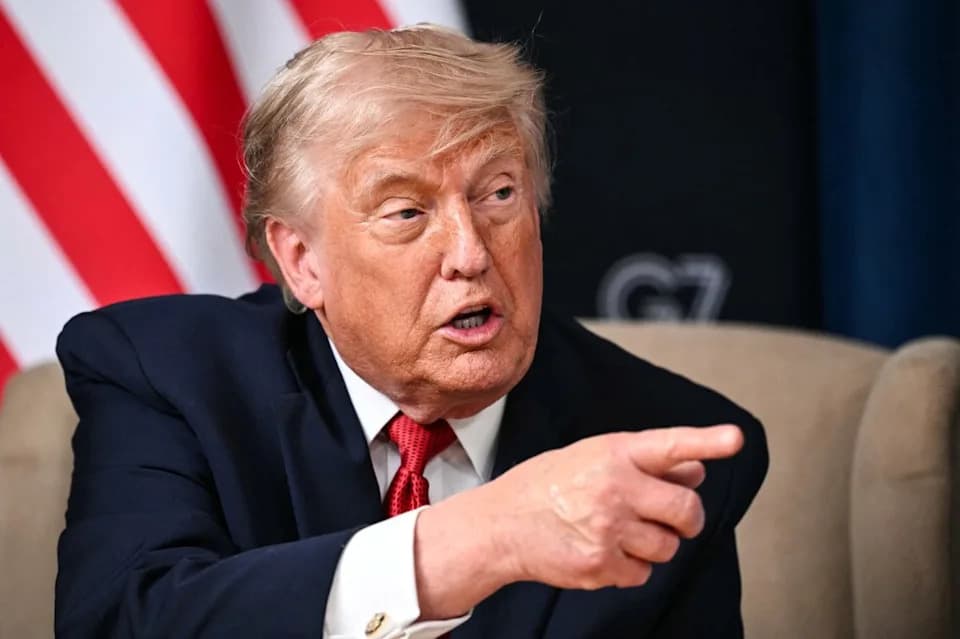
Cybersecurity experts have warned that Anthropic's Mythos — a model designed to find coding vulnerabilities to strengthen cyber defenses — could also be repurposed to accelerate attacks on the systems it is meant to protect. Last week, U.S. President Donald Trump ordered Anthropic to block foreign nationals from accessing its most advanced models, citing national security concerns.
That directive prompted G7 discussions about a possible "trusted partners" scheme that could create a route around U.S. restrictions. Reuters reported that trusted partners could be either countries or qualified companies and that access would be intended to help allied states strengthen cybersecurity against strategic rivals such as China.
Executives from Anthropic, OpenAI and Google — all developing cutting-edge AI models — attended a working lunch at the summit to discuss regulation, safety and AI infrastructure with G7 leaders and officials.
Europe Strives To Find The Right Tech Balance
Europe is working to boost technological sovereignty and reduce dependence on U.S. tech and security ties while trying to keep pace with rapid advances driven largely by American firms that dominate cloud services, chip design and frontier AI research. The European Commission has unveiled plans for AI "gigafactories" and large-scale computing infrastructure to provide sovereign access to processing power.
The Commission has proposed laws aimed at strengthening domestic cloud, AI and semiconductor industries to cut reliance on U.S. Big Tech, though critics say Europe still lags its American competitors by several years.
Ursula von der Leyen, European Commission President: "We use each other's trusted technology, and our financial systems are interconnected."
G7 leaders said their joint work will include regulators and cybersecurity teams developing common approaches to safety, resilience and responsible deployment as frontier AI capabilities evolve.
Help us improve.