Public support for unions has rebounded from about 48% during the Great Recession to nearly 70% today, creating pressure on Republican strategy. Some conservative voices are responding by reframing labor gains as extensions of progressive social policy, citing model bargaining language that references abortion and gender-affirming care. Pro‑union advocates point out that bargaining priorities reflect democratic choices by local union members and that federations like the AFL‑CIO only offer model language, not negotiated contracts. The dispute is shaping how GOP lawmakers choose between economic and cultural defenses of the party platform.
Unions Are Gaining Support — Conservatives Are Turning the Pushback Into a Culture-War Fight
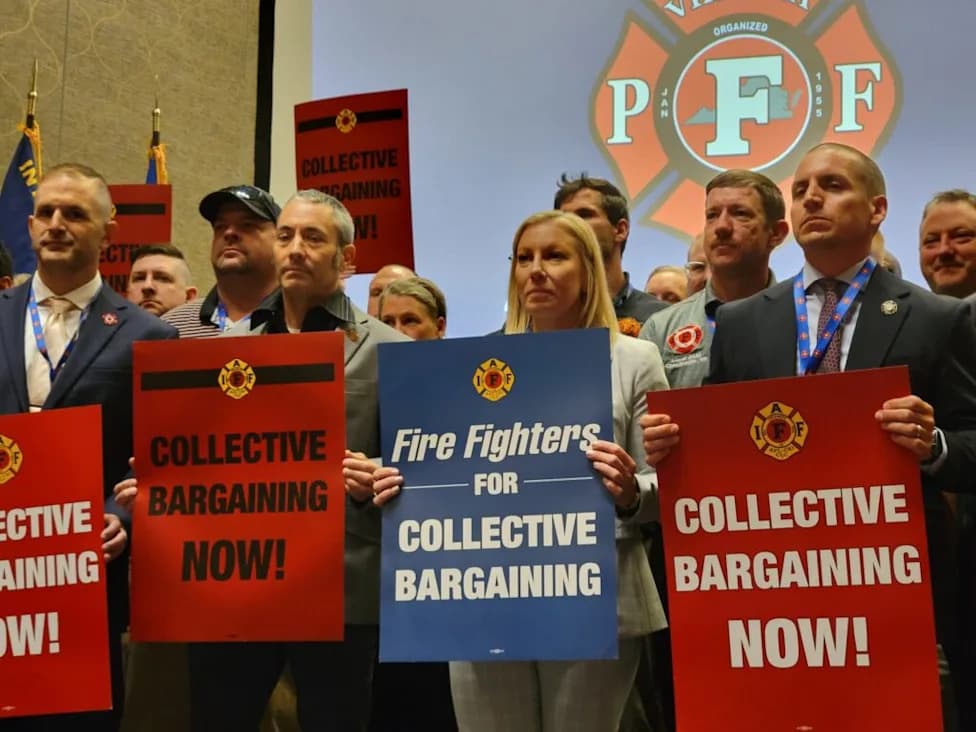
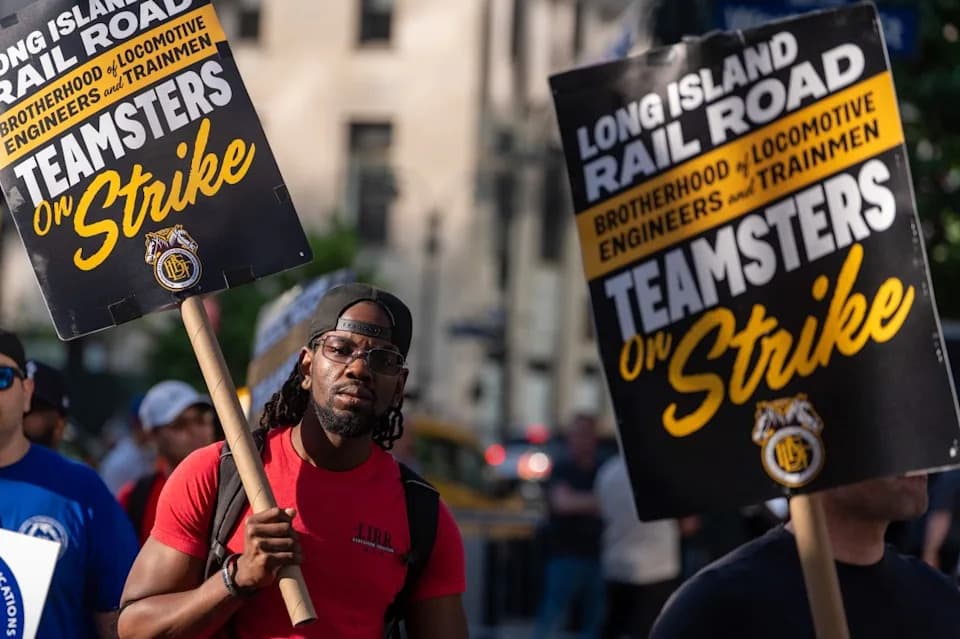
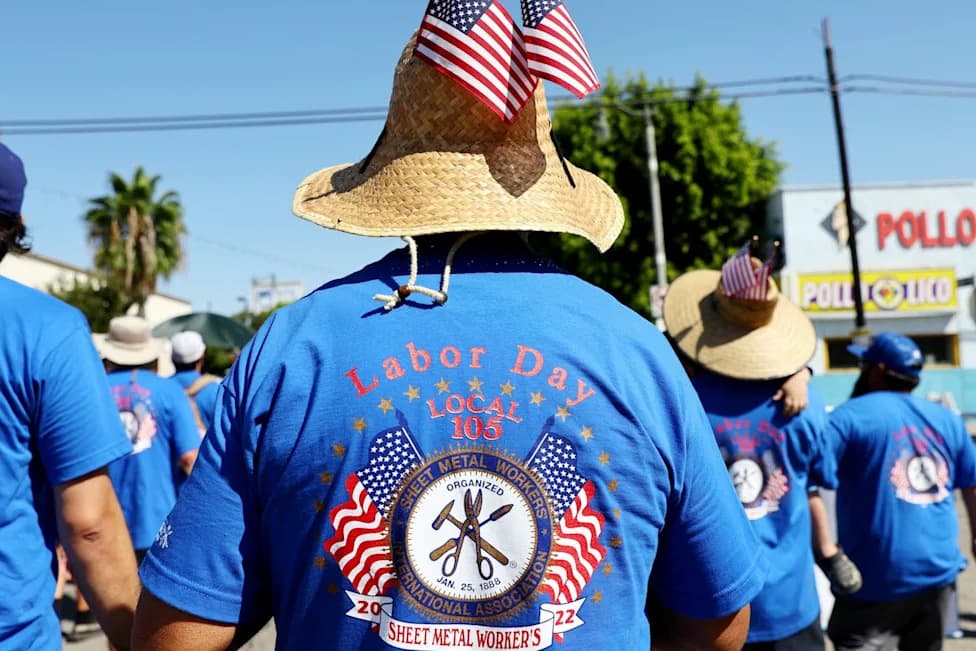
Public support for labor unions has surged in recent years, and that shift is reshaping political strategy. What was once a reliable Republican playbook — trade cultural appeals for pro-business economic policy — is fraying as unions regain popularity and become a renewed political flashpoint.
Rising Popularity, Shifting Politics
Gallup polling shows approval of labor unions rose from about 48% during the 2007–09 Great Recession to roughly 70% today, the highest level since the era of Lyndon Johnson’s Great Society. Support remains strongest among Democrats (around 90%), but a sizeable minority of Republicans also express approval: Republican support measured about 56% in 2022 and has declined to roughly 41% more recently. Even so, that level represents a meaningful constituency in a party that for decades included a right-to-work plank in its national platform.
Policy Momentum And Cross-Party Votes
The political impact is tangible. The Republican Party’s 2024 platform was the first since 1980 to omit a right-to-work plank. In the House, two labor-rights measures recently bypassed Speaker Mike Johnson through discharge petitions and passed with support from roughly 20 Republicans — a sign that some GOP lawmakers are aligning with shifting voter sentiment or at least breaking with party orthodoxy.
The New Conservative Framing: Culture War Meets Labor Rights
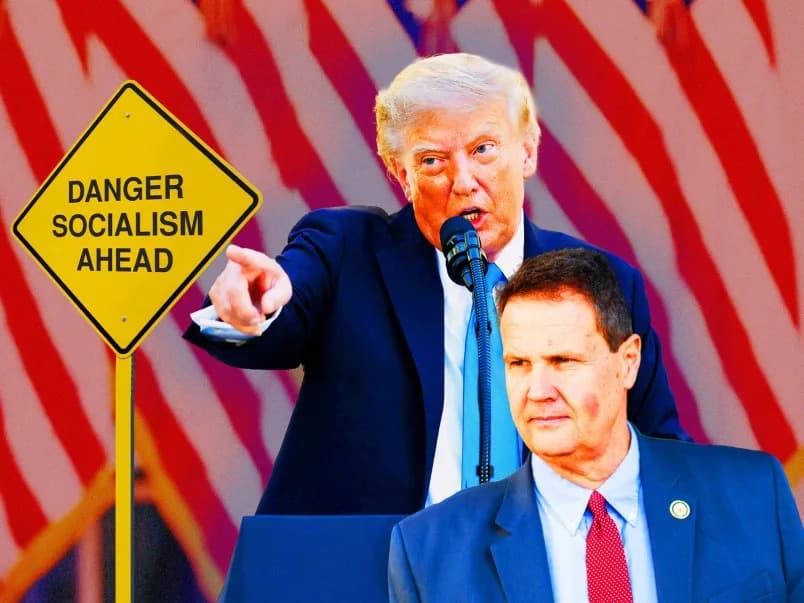
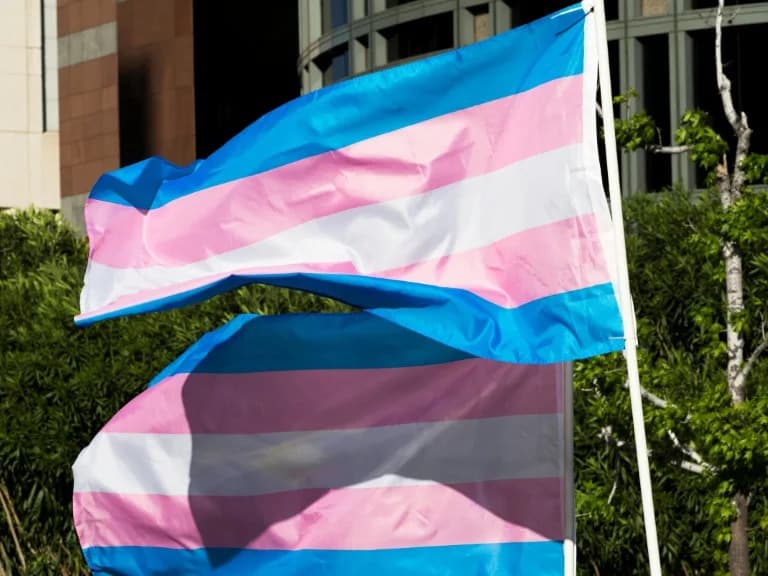
With economic appeals less reliably decisive, some conservative outlets and lawyers are reframing pro-union momentum as part of the broader culture war. The Wall Street Journal editorial page, for example, argued that collective-bargaining gains could advance progressive social policies — specifically pointing to an "Abortion Model Collective Bargaining Agreement Language" recommended by the AFL-CIO that references "comprehensive sexual and reproductive health care services, including contraceptives, abortion services (procedural and pharmaceutical) and gender-affirming care."
Clarification: The AFL-CIO is a federation of labor unions that issues model language and political guidance; it does not itself negotiate individual union contracts. Actual bargaining and contract language are typically determined by local union leaders and their elected members.
How Bargaining Really Works
Former AFL-CIO political director Steve Rosenthal emphasizes that unions are democratic institutions: officers are elected and decisions reflect members’ priorities. If a local contract includes coverage for gender-affirming care or a specific medication like mifepristone, that inclusion is the result of bargaining choices made by rank-and-file members and their elected representatives. Arbitrators enforce contract language and resolve disputes; they do not independently substitute their policy preferences for those of bargaining units.
Political Responses And Rhetoric
Conservative arguments have varied. Some, like Littler Mendelson attorney Thomas Beck, suggest arbitrators might end up imposing broad health benefits while rejecting wage demands — a scenario that would only arise if the negotiating membership prioritized such benefits. Senator Josh Hawley (R‑Mo.), a sponsor of the Senate companion to the Faster Labor Contracts Act, accepted a cultural framing but redirected criticism toward corporations, framing Big Business as resistant to worker-friendly rules while promoting diversity and inclusion initiatives.
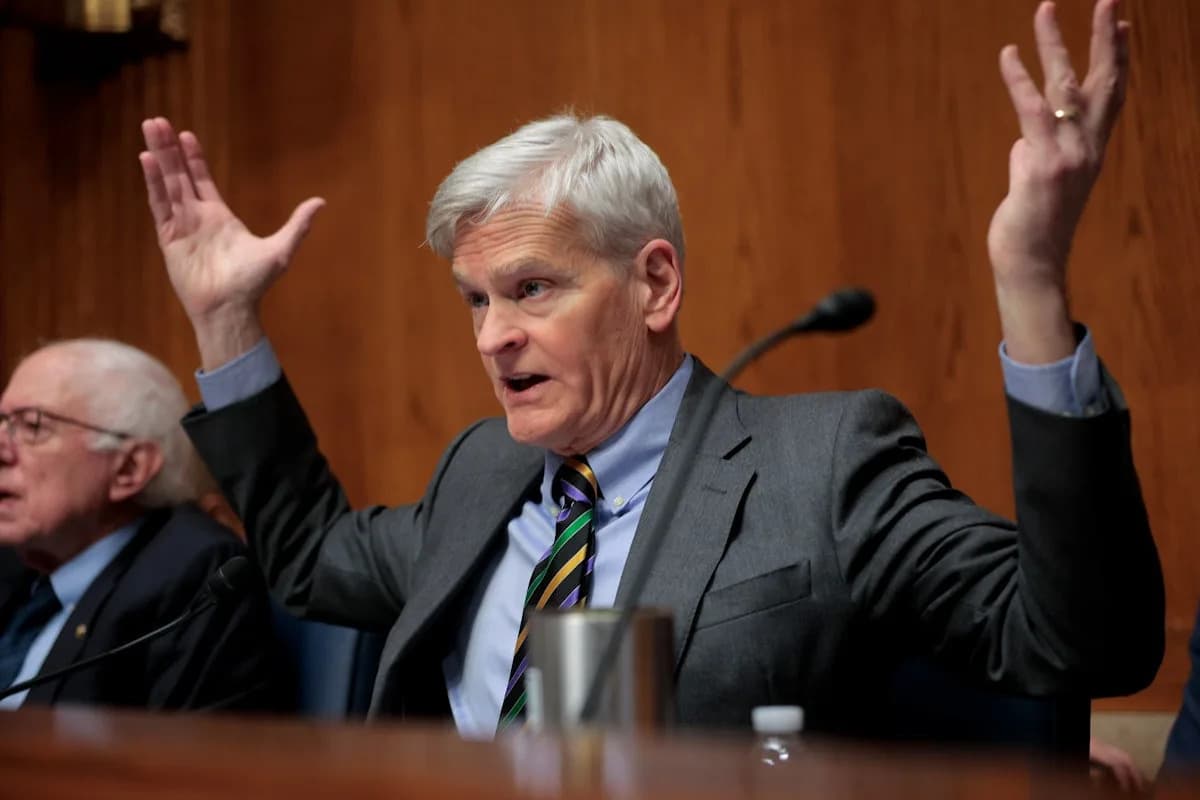
Senator Bill Cassidy (R‑La.), chair of the Senate Health, Education, Labor and Pensions Committee, voiced opposition to the bill on grounds that it could force workers and small businesses to fund abortions or sex‑reassignment care — rhetoric consistent with the culture-war framing. Cassidy’s long record shows limited support for organized labor (his lifetime AFL‑CIO score is about 13%), and his stance illustrates how cultural messaging can provide cover for more traditional anti‑labor positions.
What This Means
Rising public support for unions has put pressure on Republican strategy, producing a split response: some elected Republicans are moving toward pro-worker positions, while other conservatives are attempting to neutralize that momentum by tethering labor rights to polarizing social issues. Whether recasting the labor debate as a culture-war fight will blunt union gains depends on how voters perceive the connection between collective bargaining and social policy — and on whether local union members actually prioritize social benefits over wages in contract negotiations.
Bottom line: The union revival is shifting political fault lines. Opponents who turn labor gains into culture-war issues may win headlines, but the practical outcome of bargaining — determined by rank-and-file members and local negotiations — will ultimately decide what benefits and protections union contracts deliver.
Help us improve.