The House approved a quickly drafted resolution condemning "socialism" while praising the SAVE America Act, passing 220-192 with eight moderate Democrats joining Republicans. The measure and surrounding rhetoric illustrate a GOP strategy of amplifying anti-socialism and grievance messaging as a substitute for tangible legislative achievements. Internal divisions — including former Paxton aides endorsing a Democrat and reporting that Sen. Roger Marshall sued hundreds of patients over unpaid bills — highlight broader vulnerabilities ahead of the midterms.
GOP Amplifies 'Socialism' Scare to Mask a Thin Legislative Record
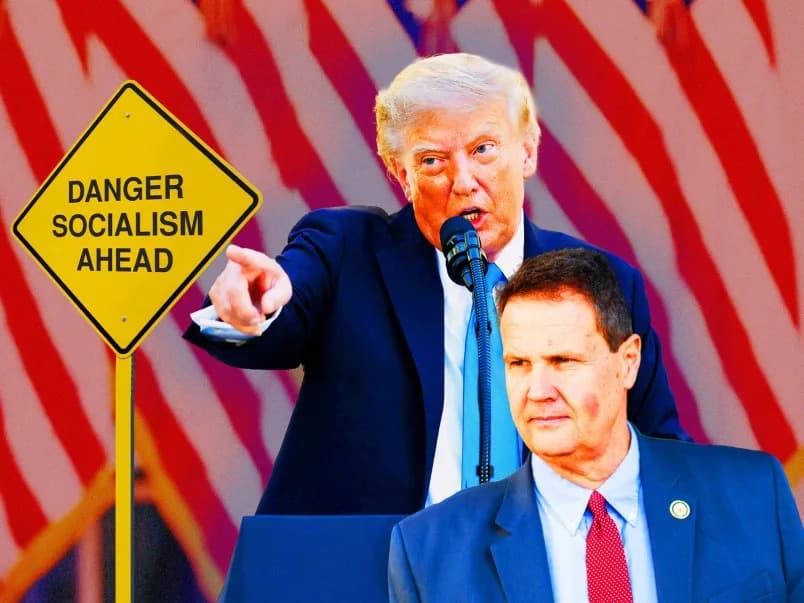
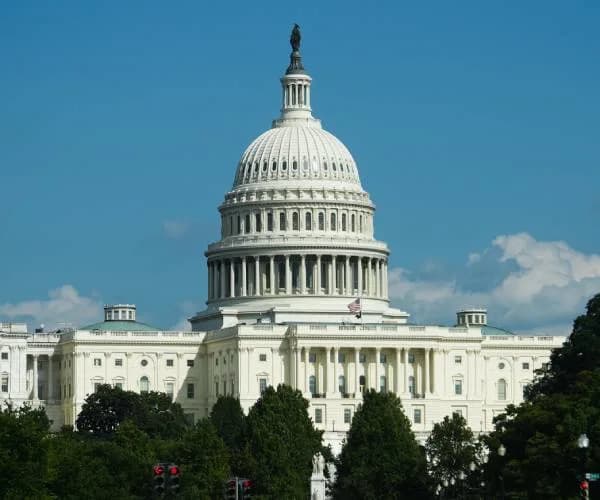
House Republicans last week passed a hastily assembled resolution that condemned "socialism" while simultaneously praising the SAVE America Act, a controversial bill critics say would suppress voting access. Introduced by Rep. Jeff Crank (R-CO), the measure appeared intended to paint Democrats as sympathetic to socialism even as many House Democrats declined to publicly embrace the SAVE Act itself.
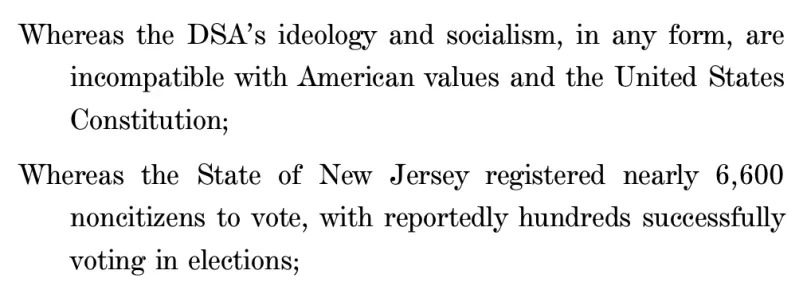
The resolution cleared the House 220-192, with eight relatively moderate Democrats joining Republicans. The language called for the "condemnation and denouncement of socialism in all its forms" and described the Democratic Socialists of America’s ideology as "incompatible with American values and the United States Constitution."
What This Signals About GOP Strategy
Beyond the immediate politics of a single resolution, the episode illustrates a broader Republican messaging strategy this cycle: leaning on cultural and ideological warnings — about "radical leftists," alleged noncitizen voting conspiracies, and other threats — to energize voters because there are few substantive legislative accomplishments to showcase.
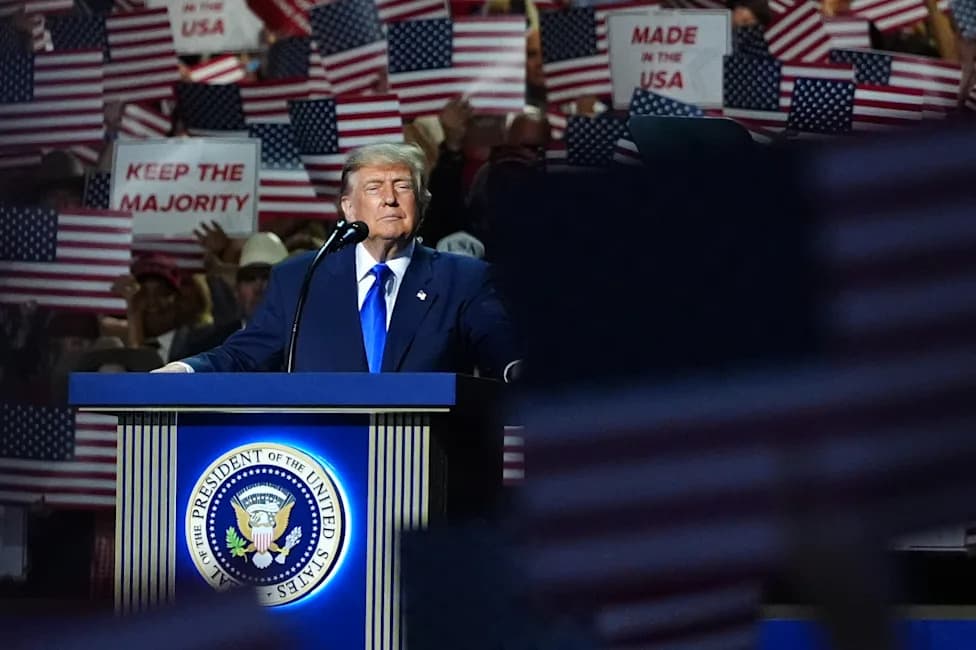
Observers attribute some of that dynamic to former President Donald Trump’s continued dominance of the party. Critics argue that intra-party priorities and Trump’s influence have sidelined potential legislative wins Republicans might otherwise have used to highlight achievements ahead of the 2026 cycle.
Internal Fractures and Local Fallout
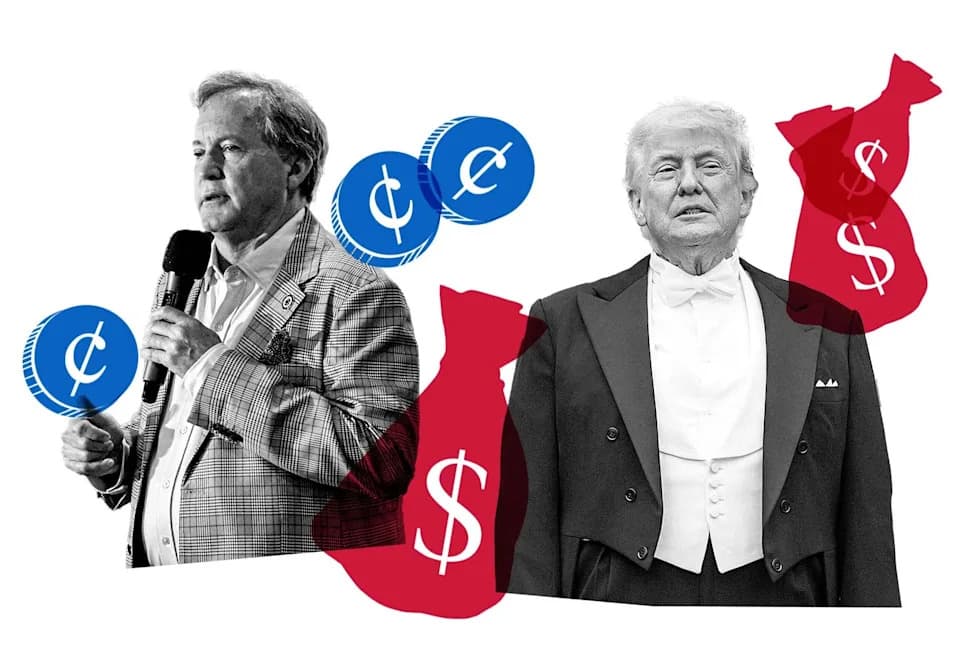
The GOP’s messaging challenges are compounded by internal fractures, particularly in key states. In Texas, several former aides and Republican operatives have publicly endorsed Democrat James Talarico over Attorney General Ken Paxton. Most recently, David Maxwell — who worked as Paxton’s director of law enforcement and joined other staffers in accusing Paxton of abusing office to help a donor — announced his support for Talarico. Those allegations were central to Paxton’s 2023 impeachment, though he was acquitted by a Republican-led state Senate.
National reporting has added to the headwinds. The New York Times reported that Sen. Roger Marshall (R-KY), a Senate candidate, sued more than 700 former patients over unpaid medical bills during his years in private medical practice; 81 cases led to arrests for missed court dates, and additional suits sought warrants. That reporting has fed broader narratives about Republican vulnerability on issues of economic fairness and health-care access.
From Politico: "One consensus message Republicans want the convention oriented around is the choice between their legislative record and a Democratic Party they argue has moved way too far left."
Convention Headaches and Policy Gaps
As the GOP prepares a convention in Dallas to rally voters and give Mr. Trump a platform, reports suggest attendance and enthusiasm may be uneven. With a sparse contemporary legislative record to tout, party strategists are reportedly considering reviving prior tax-and-spending packages — criticized as favoring the wealthy and tightening Medicaid — rather than promoting recent new achievements.
In short, the resolution and the surrounding debate underscore a party leaning heavily on ideological warnings and grievance messaging while contending with internal dissent, reputational hits for individual lawmakers, and thin legislative accomplishments to present to voters.
Help us improve.