Christophe Leribault, director of the Louvre since February, warned senators that the museum is "running out of steam" as ageing equipment and limited investment compound recent crises. A brazen October theft of imperial jewels exposed major security failings and preceded leadership change. The museum also faces revenue losses from strikes, an estimated €10m ticket‑fraud scheme, a water leak and growing maintenance needs. Leribault urged urgent funding and repairs to protect the collection and visitor experience.
Louvre 'Running Out Of Steam,' New Director Warns as Funding Crunch Exposes Aging Infrastructure
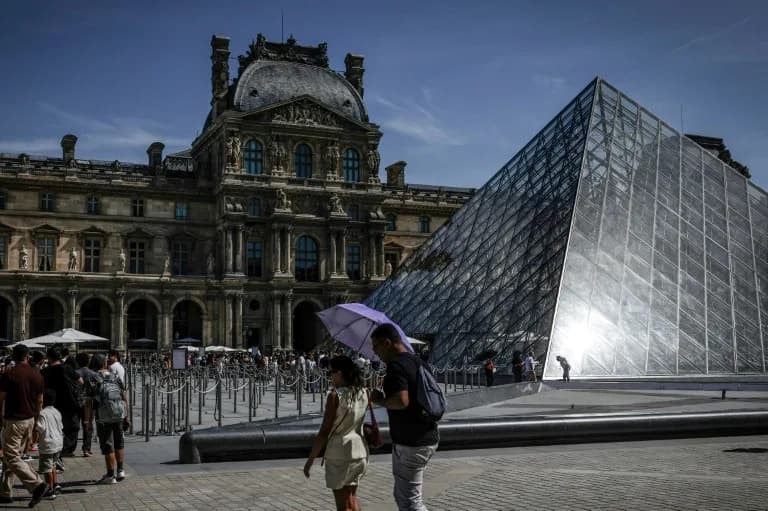
'Building-related emergencies are piling up' at the Louvre, its director has said (STEPHANE DE SAKUTIN)(STEPHANE DE SAKUTIN/AFP/AFP)
Christophe Leribault, who became director of the Louvre in February, told a Senate committee that the world’s most visited museum is "running out of steam" as ageing equipment, mounting building emergencies and constrained investment threaten its operations and collections.
Problems Exposed After High-Profile Failures
Leribault—an art historian and museum director specialising in 18th‑century art—assumed leadership after his predecessor resigned following an October daylight theft of imperial jewels that revealed serious security failings. The brazen robbery, reported to involve roughly $100 million in jewellery, intensified scrutiny of the museum's infrastructure and emergency preparedness.
"Despite its imposing majesty, despite the daily commitment of its staff, the Louvre is running out of steam," Leribault told senators. "Its equipment and infrastructure are reaching the end of their life cycle."
Operational and Financial Strains
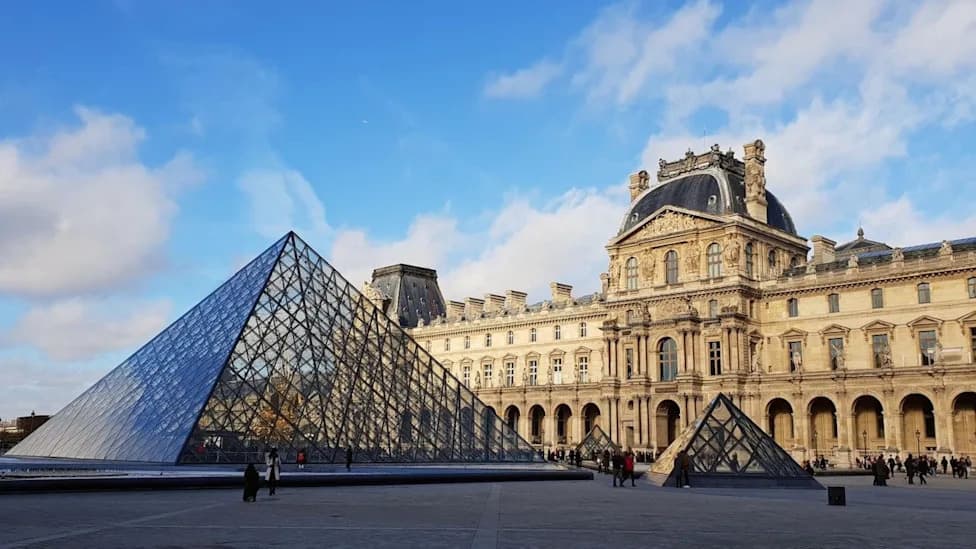
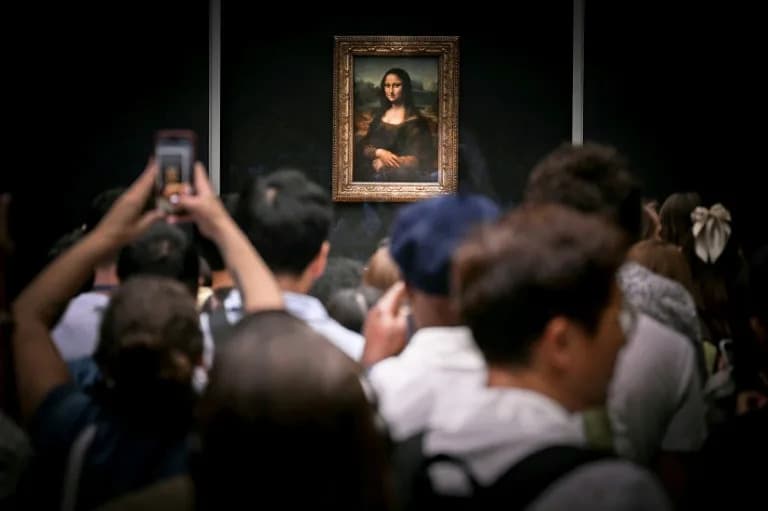
Housed in a vast historic palace on the Seine and home to masterpieces such as Leonardo da Vinci’s Mona Lisa, the Louvre welcomes around nine million visitors a year. Yet the institution is grappling with multiple operational issues: repeated staff strikes that reduced revenue, a ticket‑fraud scheme believed to have cost about €10 million ($11.7 million), a damaging water leak and an accumulating backlog of maintenance work.
Leribault warned that building-related emergencies are "piling up" and that the museum faces a wall when it comes to funding major upgrades to equipment, security and facilities. Without targeted investment and a clear recovery plan, long-term conservation, visitor experience and security could be jeopardised.
What Comes Next
Museum officials and government bodies will likely need to prioritise emergency repairs, strengthen security protocols and identify new funding mechanisms—public, private or mixed—to modernise infrastructure while preserving the historic fabric of the palace. Leribault's testimony marks a public appeal for resources to safeguard one of the world's most important cultural institutions.
Help us improve.