Key Takeaways: Rep. Mike Collins, backed by President Trump, defeated Gov. Brian Kemp’s preferred candidate in the Georgia U.S. Senate primary. In Washington, D.C., progressive Janeese Lewis George led in the first-round count of the city’s first ranked-choice mayoral race despite Trump’s objections. Oklahoma voters rejected a ballot measure to raise the minimum wage to $15 by 2029, and in Alabama Trump-backed Rep. Barry Moore won the GOP nomination in a race that likely secures a Republican Senate seat.
Trump-Endorsed Collins Tops Kemp’s Pick in Georgia; DC, Oklahoma and Alabama Races Yield Key Takeaways
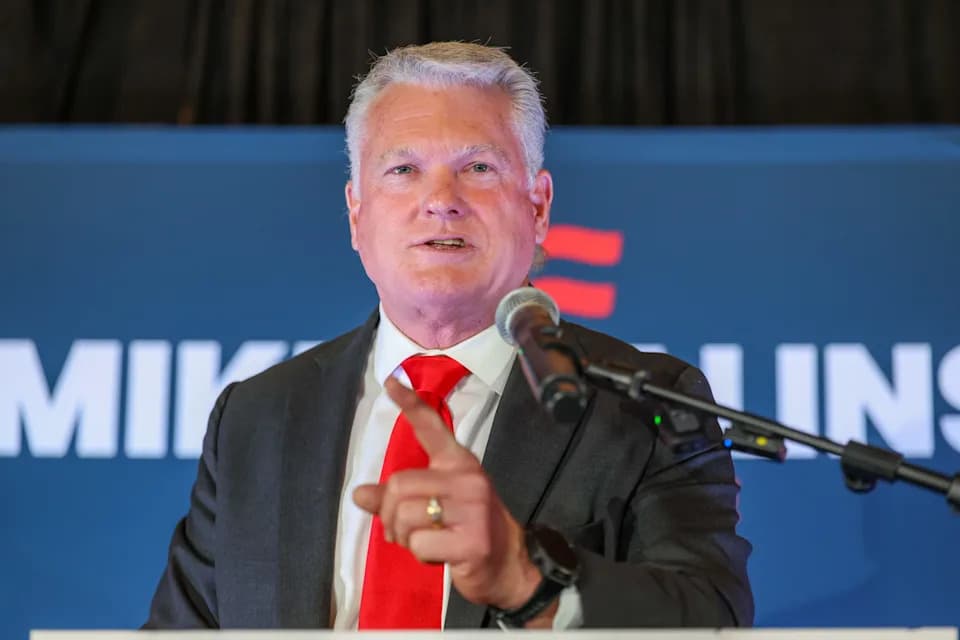
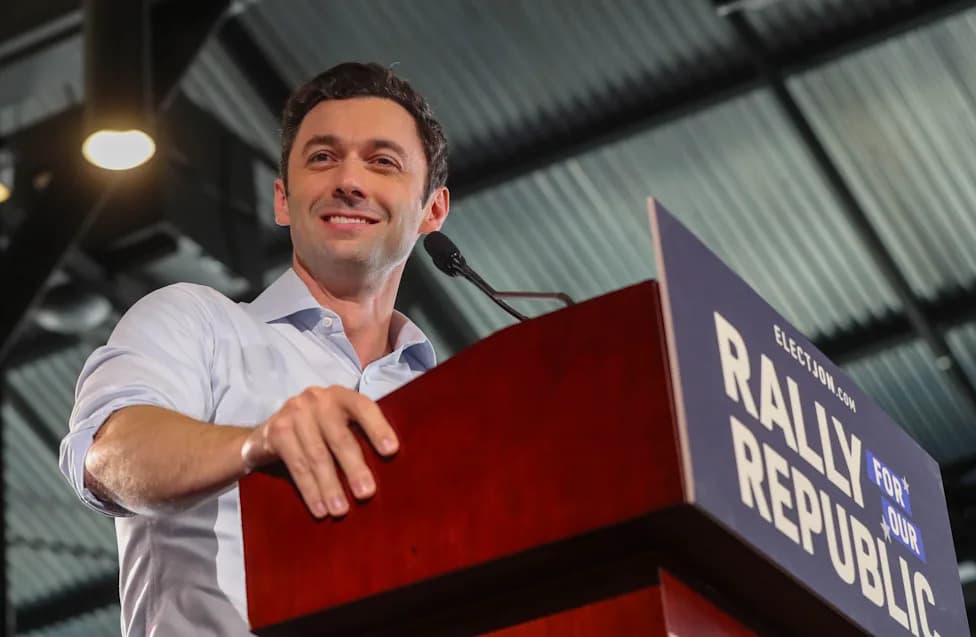
Mike Collins speaks to supporters at a primary night event on May 19, 2026, in Jackson, Georgia.
President Donald Trump’s influence over Republican primaries was on full display June 16 as his preferred candidate, Rep. Mike Collins, defeated Georgia Gov. Brian Kemp’s choice in a high-stakes U.S. Senate primary. The same night produced notable results in Washington, D.C., Oklahoma and Alabama that underscore lingering divisions within the GOP and varied voter priorities nationwide.
Georgia: Trump’s Pick Prevails
Republicans viewed flipping Democratic Sen. Jon Ossoff as central to defending their Senate majority in 2026, making the primary a test of electability. Gov. Kemp backed Derek Dooley, a longtime friend and former college football coach, pitching him as an outsider who could appeal to general-election voters. Trump instead issued a last-minute endorsement for Rep. Mike Collins after criticizing Dooley for acknowledging Joe Biden’s 2020 victory—a key disqualifier for candidates seeking Trump’s backing.
Collins, an immigration hard-liner known for authoring the Laken Riley Act, secured the nomination less than an hour after polls closed. His rhetoric and record make him a strong conservative favorite but also a potential target for Democrats in a competitive general election.
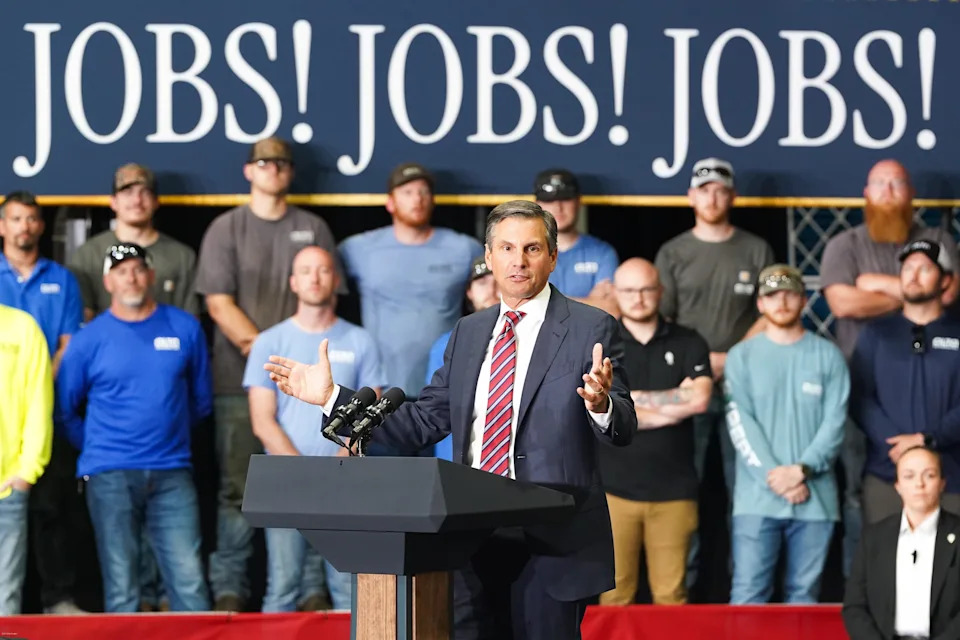
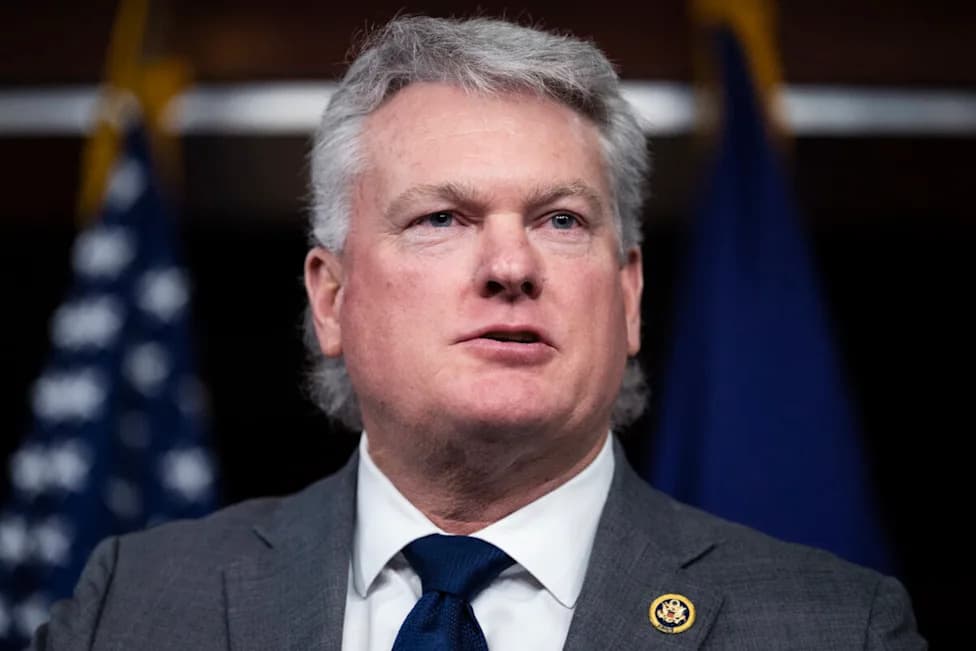
Derek Dooley speaks to supporters of President Donald Trump at an event hosted by Vice President JD Vance on Aug. 21, 2025, in Peachtree City, Georgia.
In the governor’s contest, Kemp and Trump both supported Lt. Gov. Burt Jones, but voters selected healthcare CEO Rick Jackson in an expensive runoff. Jackson, who self-funded more than $100 million of his campaign, portrayed himself as a business outsider ready to tackle problems like foster care.
Washington, D.C.: Progressive Front-Runner Holds Lead
In the District’s first mayoral contest using ranked-choice voting, progressive council member Janeese Lewis George led former council member Kenyan McDuffie by roughly 53% to 37% with about two-thirds of precincts reported. Trump openly opposed Lewis George, warning of possible federal intervention under the 1973 Home Rule Act if she prevailed. Still, her grassroots campaign — focused on universal childcare, social housing and stronger labor protections — appeared to resonate with voters.
If Lewis George holds more than 50% in the first round, she will win outright; otherwise the instant-runoff mechanism will reallocate lower-ranked preferences to determine the winner.
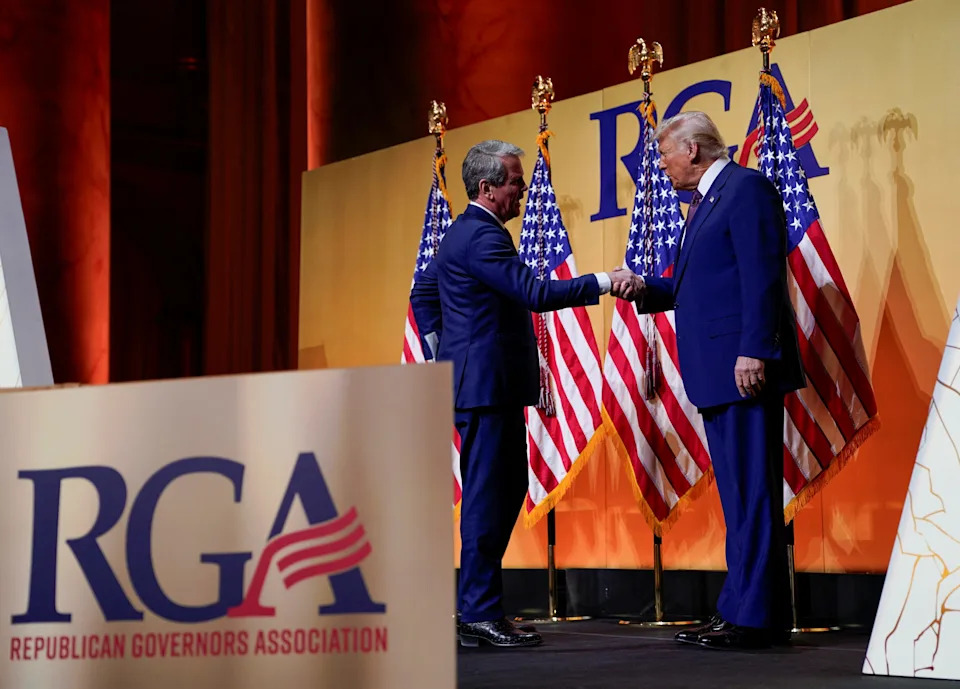
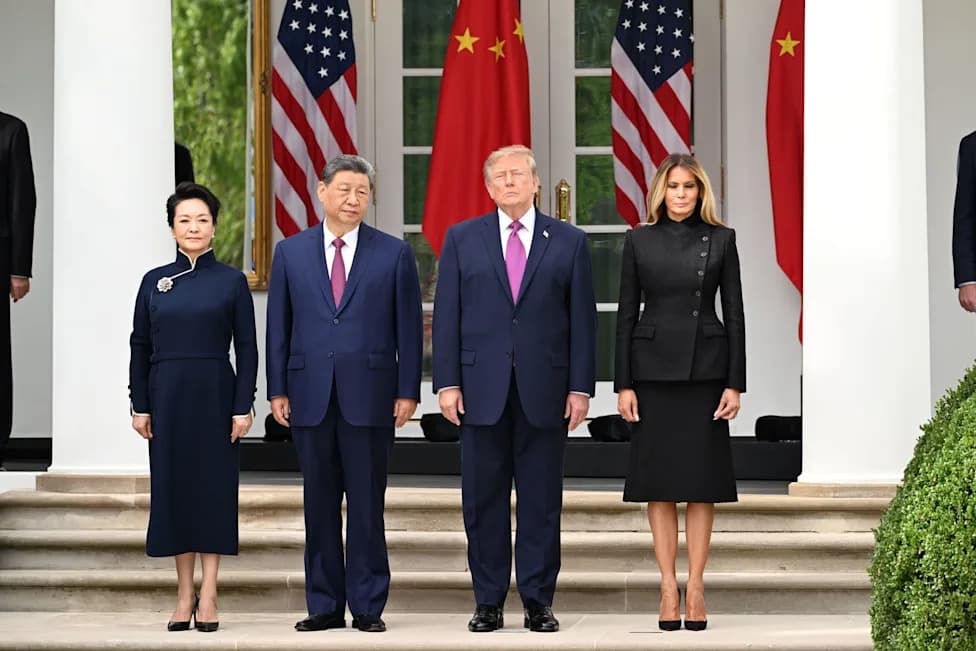
Georgia Governor Brian Kemp and U.S. President Donald Trump attend a Republican Governors Association dinner at the National Building Museum in Washington, D.C., U.S., February 20, 2025. REUTERS/Kent Nishimura
Oklahoma: Minimum Wage Measure Fails
Voters in Oklahoma decisively rejected a ballot initiative to raise the state minimum wage to $15 by 2029. With more than 95% reporting, about 56% opposed the measure and 44% supported it. The result stands in contrast to a broader national trend — several states have increased wages via ballot initiatives in recent years — and highlights regional variation on economic policy even as polls show broad public support for higher pay.
Alabama: Trump’s Endorsement Carries Weight
In Alabama, Rep. Barry Moore prevailed in a GOP primary runoff to replace Sen. Tommy Tuberville, who is running for governor. Moore overcame earlier polling deficits, underscoring the continuing impact of Trump’s endorsements among rank-and-file Republicans in deep-red states. Moore’s nomination all but assures a GOP pickup in the general election this fall.
Bottom Line
The June 16 contests reinforced Trump’s sway in Republican primaries, showcased the potency of self-funded campaigns in Georgia, demonstrated the resilience of progressive grassroots organizing in D.C., and revealed that economic ballot measures can still falter in conservative states. Combined, the races illustrate how local dynamics and high-profile endorsements continue to shape the 2026 map.
Help us improve.