Summary: Riders in Balochistan risk extreme heat, dust storms and violent conflict to transport Iranian petrol and diesel across a porous 900km border into Pakistan. Temperatures nearing 50C can cause plastic jerrycans to swell, leak or explode, and smuggling-related accidents are common. Analysts link a recent rise in the trade to disruptions and higher prices tied to tensions involving the US, Israel and Iran; a leaked assessment estimated roughly $1bn of fuel is smuggled annually. Enforcement is hampered by remote terrain, local poverty and allegations of local complicity.
Heat, Dust and Danger: Bikers Smuggle Iranian Fuel Across Pakistan's Porous Border
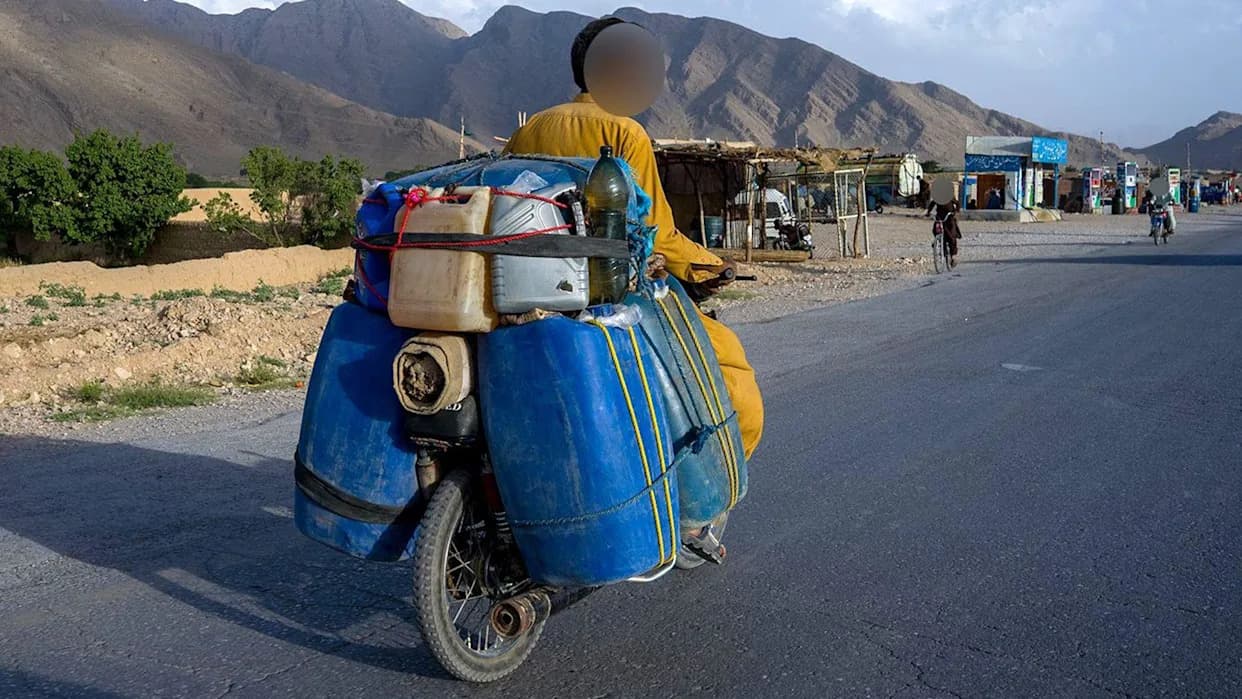
Mazaar (pictured) faces temperatures of up to 50C and risks his fuel deliveries catching fire and even exploding [BBC]
Mazaar's battered motorbike is piled high with five 70-litre plastic jerrycans — about 350 litres of fuel — strapped on with rope and string so there is almost no room for him to sit. The load weighs roughly 272kg (about 600lb) and hangs precariously from the sides of the bike.
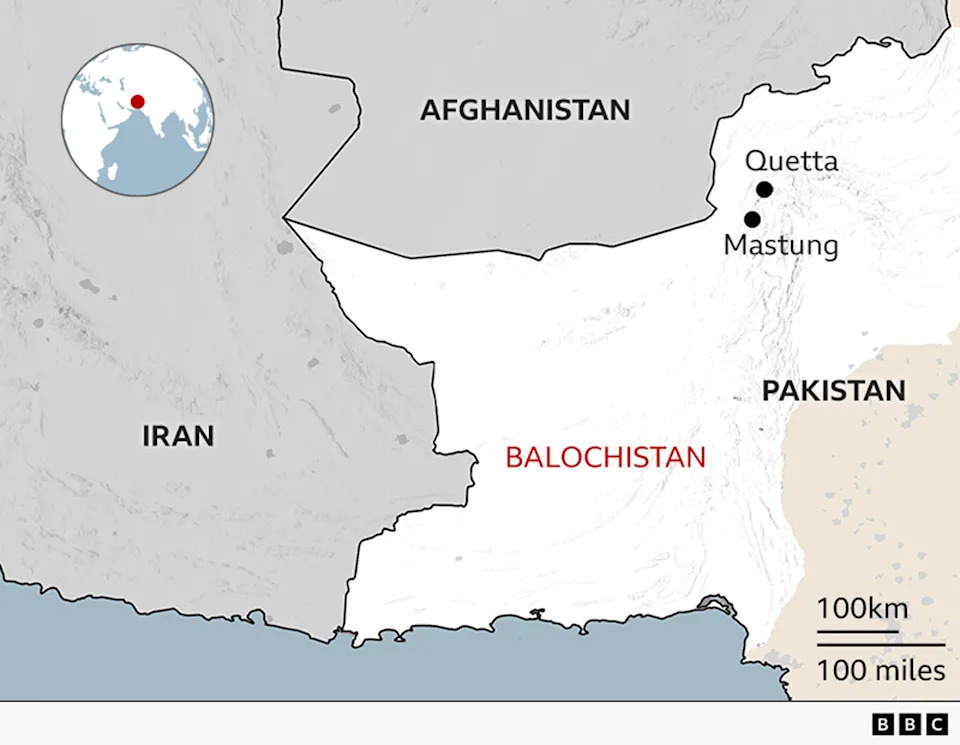
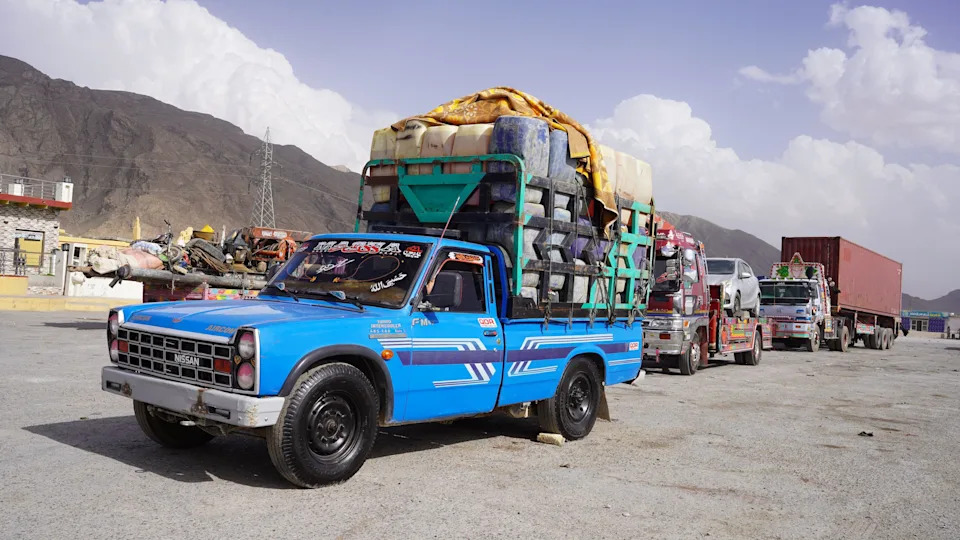
He bought the petrol at an open-air fuel market in Mastung, in Balochistan, Pakistan's largest and poorest province. Pick-up trucks arrive at the market piled with plastic drums that, according to locals, were smuggled across the nearby border from Iran.
Hazards of the Route
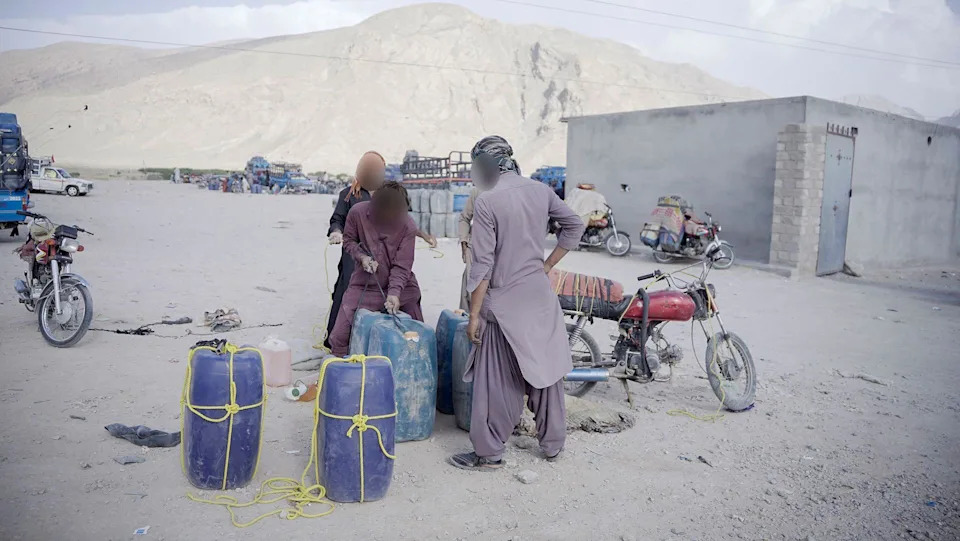
The riders come to open-air markets like this one in Mastung, where they buy the smuggled Iranian fuel before transporting it deeper into Pakistan [BBC]
Temperatures in parts of Balochistan can reach around 50C (120F). The heat softens and swells plastic containers, increasing the risk that a can will split or a lid will leak. If petrol spills while riders are on the move it can ignite or explode; such accidents regularly kill smugglers. Riders also face dust storms and prolonged heatwaves that make travel physically brutal.
Security Risks
Beyond environmental dangers, Balochistan has long been affected by clashes between Pakistani security forces and separatist insurgents demanding greater autonomy. Activists say thousands have disappeared amid the conflict, and remote stretches of the roughly 900km border are difficult to patrol, creating opportunities for smuggling networks.
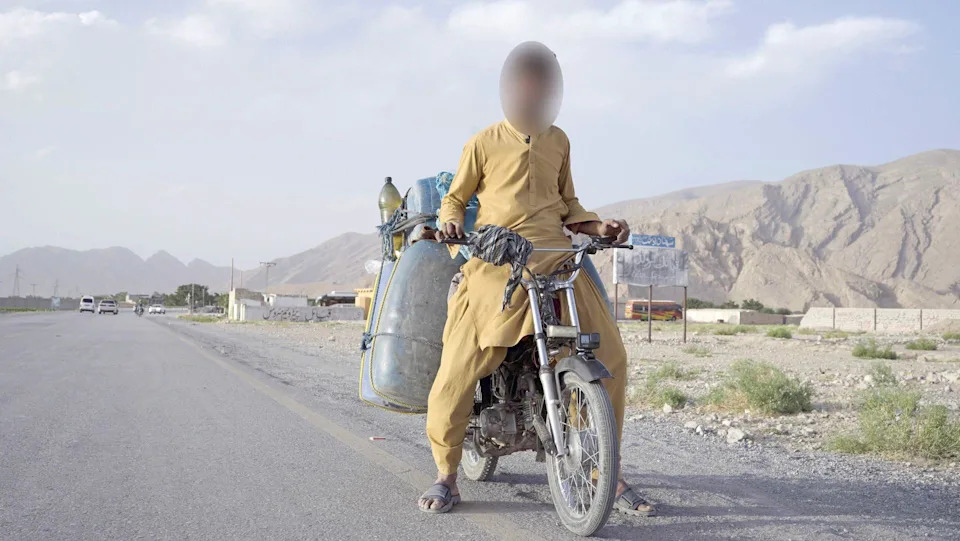
Mazaar is the main breadwinner for a large family that includes his one child and brothers. He had been a farmer but gave that up because of drought [BBC]
Why Smuggling Has Risen
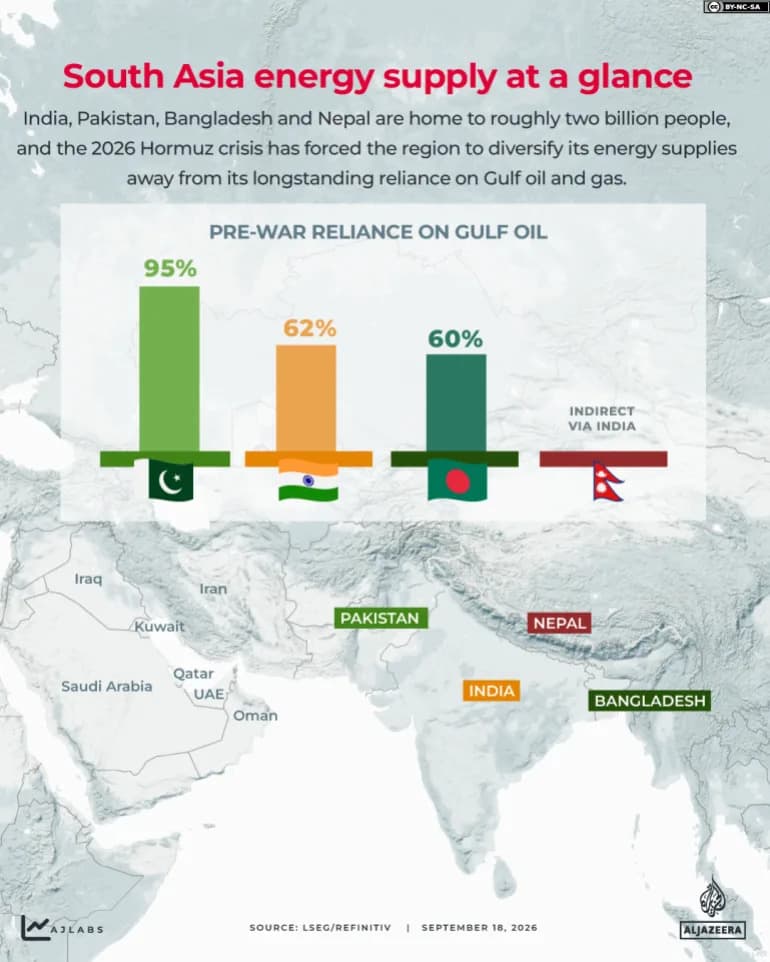
Analysts and local officials say smuggling has increased in recent months amid disruptions to oil flows through the Strait of Hormuz and heightened tensions involving the US, Israel and Iran. Higher world and regional fuel prices have boosted demand in Pakistan for cheaper Iranian petrol and diesel sold on the informal market.
A leaked Pakistani intelligence assessment reported by Nikkei Asia in 2024 estimated that about $1bn (£745m) of fuel is smuggled from Iran into Pakistan each year. The Oil Companies Advisory Council has warned that official petroleum sales are at a 27-year low in part because of the illicit trade.
[BBC]
People and Motives
Mazaar, in his late 30s, says he turned to fuel smuggling three to four months ago after drought destroyed his ability to farm. He is the main earner for a large family that includes his child and several brothers. Local business leaders and residents say poverty, scarce formal jobs, drought and the distance of many communities from state services push people into the illicit trade.
Another smuggler, Irfan (name changed), says he carries diesel rather than petrol because diesel is less likely to ignite; he is partially disabled after contracting polio and says he has no other viable work.
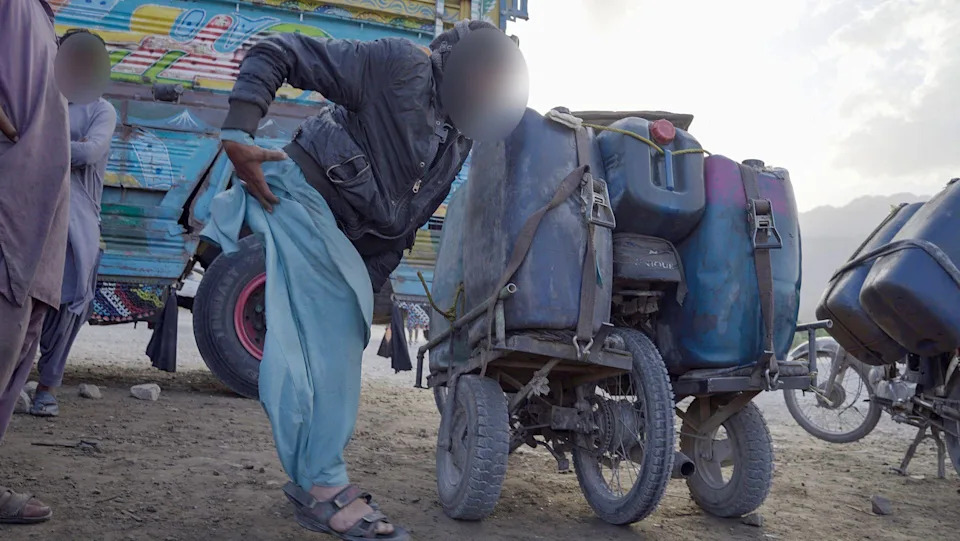
Irfan, who has severely restricted movement in one of his legs and a hand after contracting polio, says fuel smuggling is the only work he can do [BBC]
Politics, Allegations and Enforcement
Iran blames criminal networks that exploit subsidised domestic fuel prices. Some analysts and monitors allege that large-scale trafficking is linked to groups tied to Iran's Islamic Revolutionary Guard Corps (IRGC), which they say aim to evade sanctions and profit from price spikes. The BBC asked Iran for comment; it did not respond.
Smugglers told reporters that some Pakistani officials and security personnel sometimes look the other way in return for bribes. Pakistan's government denies complicity, says Prime Minister Shehbaz Sharif has ordered crackdowns, and reports seizures of fuel worth about 1.3 billion Pakistani rupees (almost $5m) in the past year.
[BBC]
Human Cost
Despite the dangers and occasional crackdowns, many in Balochistan view smuggling as a lifeline. Mazaar says rising purchase costs since the war began have squeezed his income: after paying for fuel, food and a bike lease, his daily take fell from 5,000 rupees to about 3,000 rupees — roughly twice the national minimum wage. When asked about the risks, he replied: "I don't worry about it. I have to die one day anyway."
"We do this because we don't have any other option," Mazaar told the BBC World Service. "The weather is hot, the prices are high and we spend day and night on the road."
Outlook
Stopping the illicit trade is difficult: the border is long and remote, enforcement is uneven, state services and formal jobs are scarce in much of Balochistan, and economic pressures push many into risky work. Authorities, industry groups and international observers warn the issue will persist unless economic and security conditions change.
Help us improve.