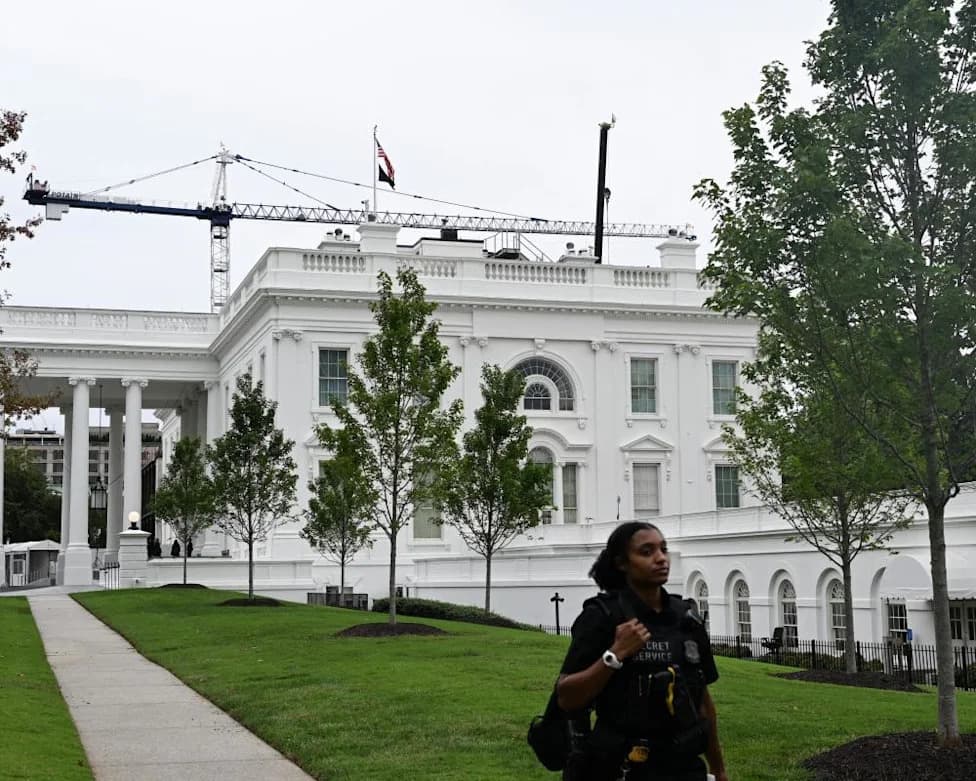
The proposed 50‑bed US Ebola quarantine centre at Laikipia airbase in Nanyuki has triggered violent protests, a court order halting construction and the deaths of three people, including a 17‑year‑old schoolboy. Many locals view the plan in light of colonial‑era land dispossession tied to the White Highlands and the 1904 and 1911 Maasai agreements. Government officials defend the project as public‑health preparedness, while critics argue it bypassed constitutional public‑participation requirements and raises questions about sovereignty and foreign influence.
Ghosts of Empire: Laikipia Quarantine Plan Reignites Colonial Land Grievances and Deadly Protests
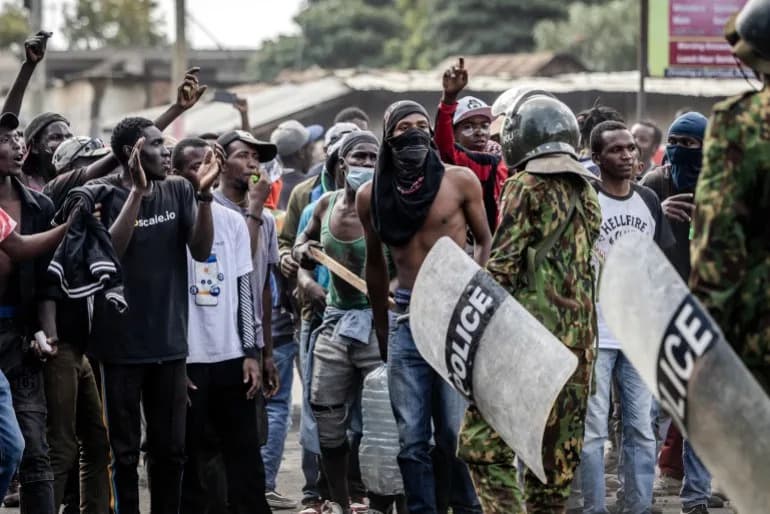
Demonstrators chant slogans during clashes with Kenyan police during a protest against a controversial US-built Ebola quarantine centre, at Laikipia airbase in Nanyuki, Kenya [Luis Tato/AFP]
The proposed 50‑bed US-funded Ebola quarantine centre at Laikipia airbase in Nanyuki has become one of Kenya’s most divisive public controversies this year. What officials describe as a preparedness measure has sparked violent protests, a court halt to construction and the deaths of three people, including a 17‑year‑old schoolboy — turning a health project into a flashpoint for long‑running grievances over land, sovereignty and foreign influence.
Historical Context
Laikipia occupies a distinctive place in Kenya’s colonial history. Large tracts of the county were incorporated into the so‑called White Highlands, where fertile land was reserved for European settlers. Historians trace many contemporary grievances to the Maasai agreements of 1904 and 1911, which facilitated the relocation and dispossession of pastoral communities to make way for settler expansion.
Local Flashpoints
Many residents view the quarantine plan through the prism of that history. The region still contains vast ranches and conservancies owned by descendants of settler families, and periodic clashes over grazing access and land rights have kept tensions alive. In May 2021, conservationist Kuki Gallmann was shot by cattle raiders on her 40,500‑hectare ranch in Laikipia — an episode that underscored how drought, shrinking grazing areas and contested land access can spark violent confrontations.
Political And Legal Fallout
Construction on the 50‑bed facility at Laikipia airbase was halted after a court challenge. Critics argue the project bypassed constitutionally required public participation and primarily serves foreign nationals rather than Kenyans. On June 3, Health Cabinet Secretary Aden Duale told Parliament: "Under the Public Health Act, we don't need to do public participation; we are not going to consult citizens." These remarks intensified opposition and raised legal and political questions about transparency and civic rights.
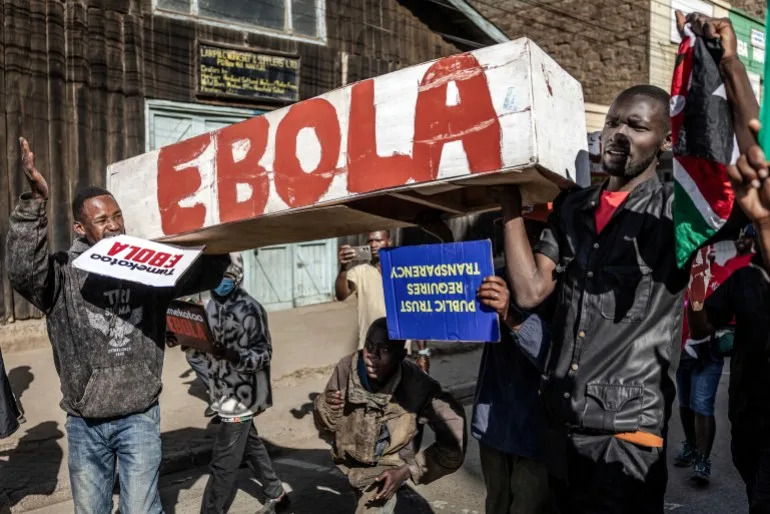
Protesters carry a mock coffin as they march during a demonstration against a controversial US-built Ebola quarantine centre in Nanyuki, Kenya [Luis Tato/AFP]
David Kyule, Professor of History and Archaeology at the University of Nairobi, told Al Jazeera: "There is a reinforcement of the perception that Kenyan territory remains available for strategic foreign purposes. Whenever the British didn’t want any undesirables in their land, they would send them away to African countries. That is what the US is doing."
Kelvin Kubai, an advocate of the High Court of Kenya, pointed to Articles 10 and 118 of the Constitution, arguing that public participation is a national value that should not be ignored. For many locals, the issue is not just public health but a re‑opening of historical wounds tied to land and sovereignty.
Geopolitics And Public Health
US officials say the facility is intended to strengthen preparedness for future Ebola outbreaks and to provide quarantine and monitoring for Americans potentially exposed to the virus. Supporters frame the project as a public‑health investment leveraging Kenya’s role as a regional transport and logistics hub. Skeptics, however, worry it could entrench foreign strategic presence in the region amid broader geopolitical competition in Africa.
Human Cost And What Comes Next
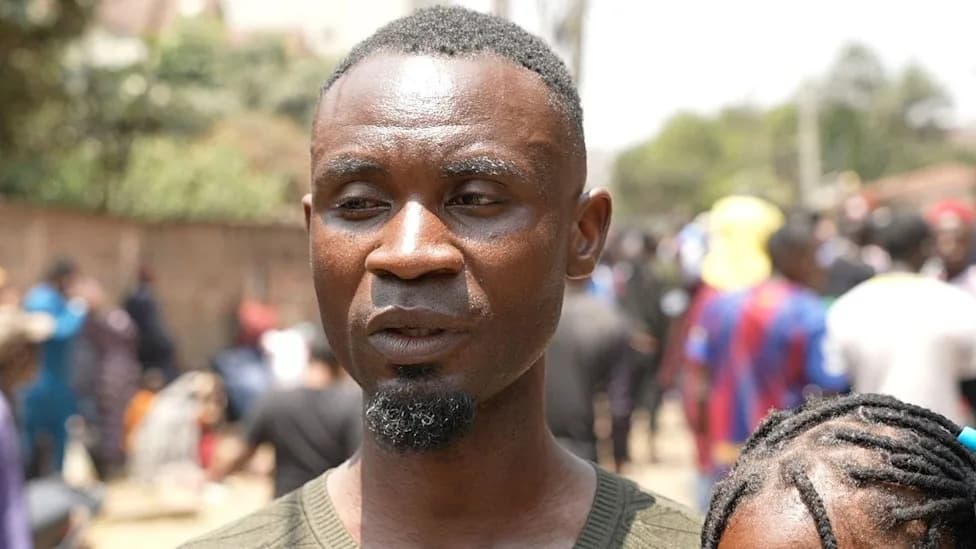
Protests have so far cost three lives. The death of the 17‑year‑old schoolboy — who had left home to collect his school uniform when unrest erupted — has become a tragic symbol of how a preparedness project has sparked deeper questions about justice, land and decision‑making. With construction paused and legal challenges ongoing, the controversy in Laikipia highlights how public‑health initiatives intersect with history, local rights and national sovereignty.
What To Watch: court rulings on public participation requirements, government engagement with community leaders, and any diplomatic discussions that clarify the facility's scope and access.
Help us improve.