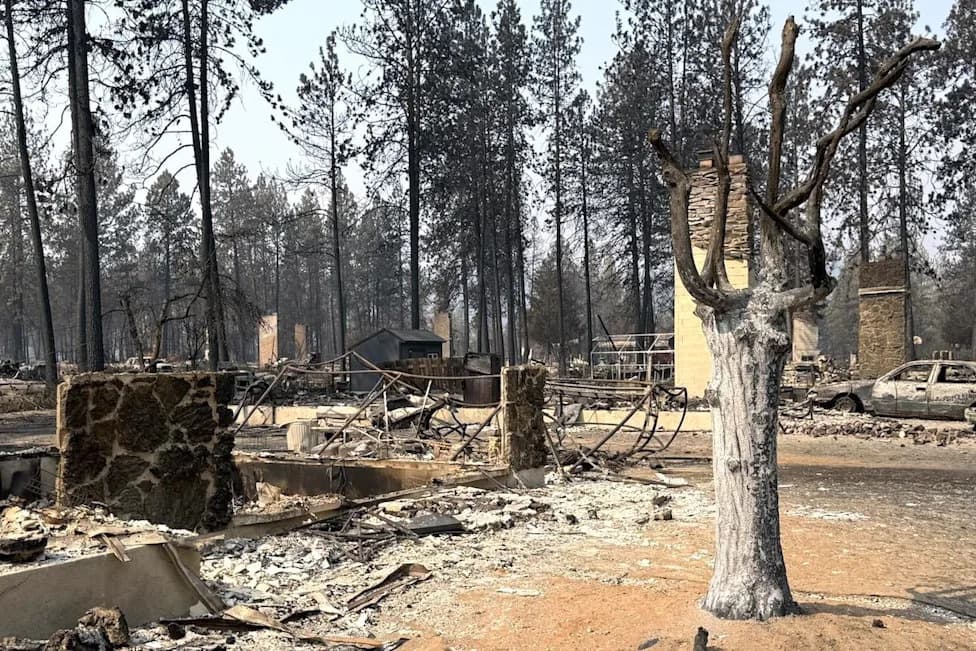
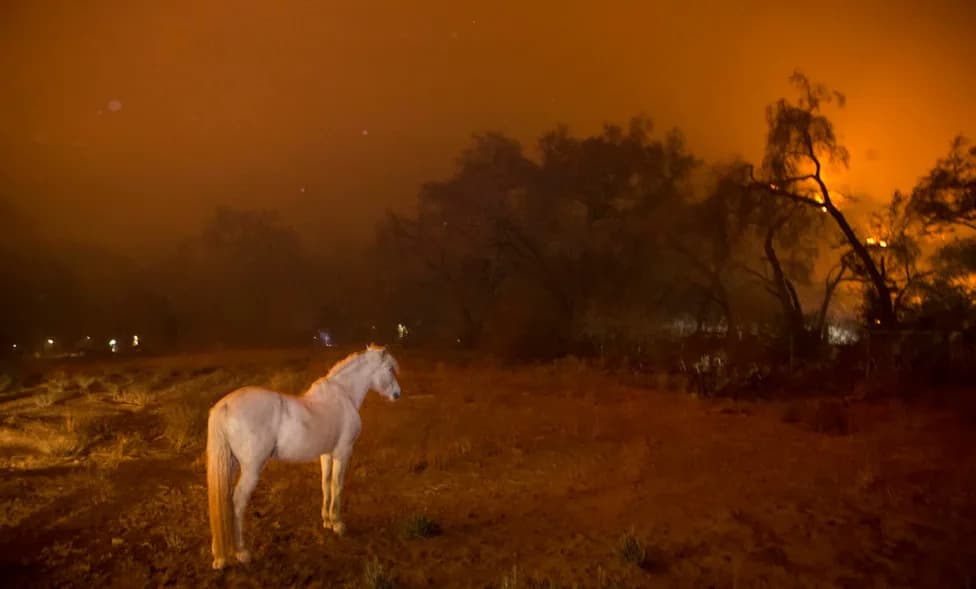
New research finds wildfire smoke-driven increases in ground-level ozone are linked to more than 300 additional premature deaths per year in the U.S. since 2013, and nearly 8,000 premature deaths in 2023. Using a NASA-funded deep-learning model and published in Science, the study shows ozone declines from 2003–2015 reversed after 2015, especially in the Midwest and parts of the West. The results reinforce the need to reduce wildfire risk, tackle climate change, and strengthen air-quality alerts for vulnerable groups.
Wildfire Smoke Driving Ozone Spike Is Tied to Thousands of Premature U.S. Deaths
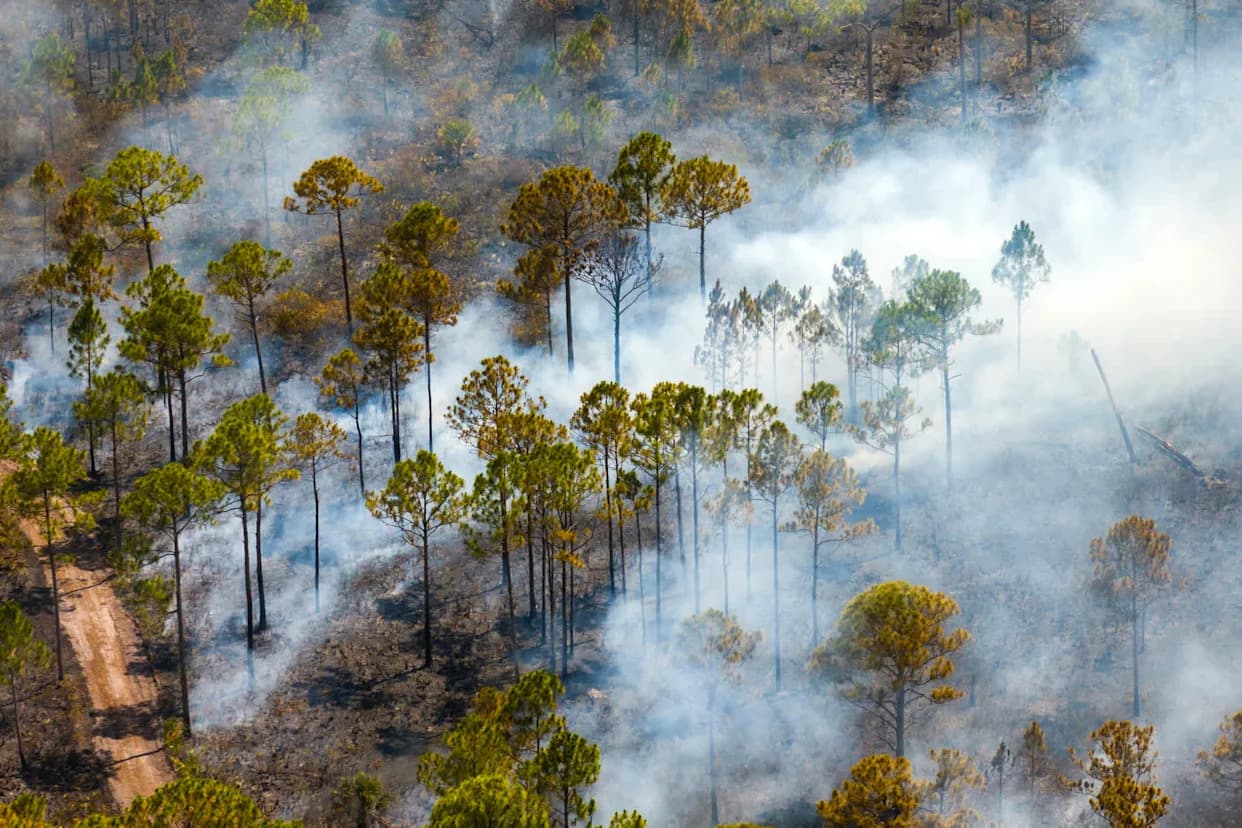
Photo Credit: iStock
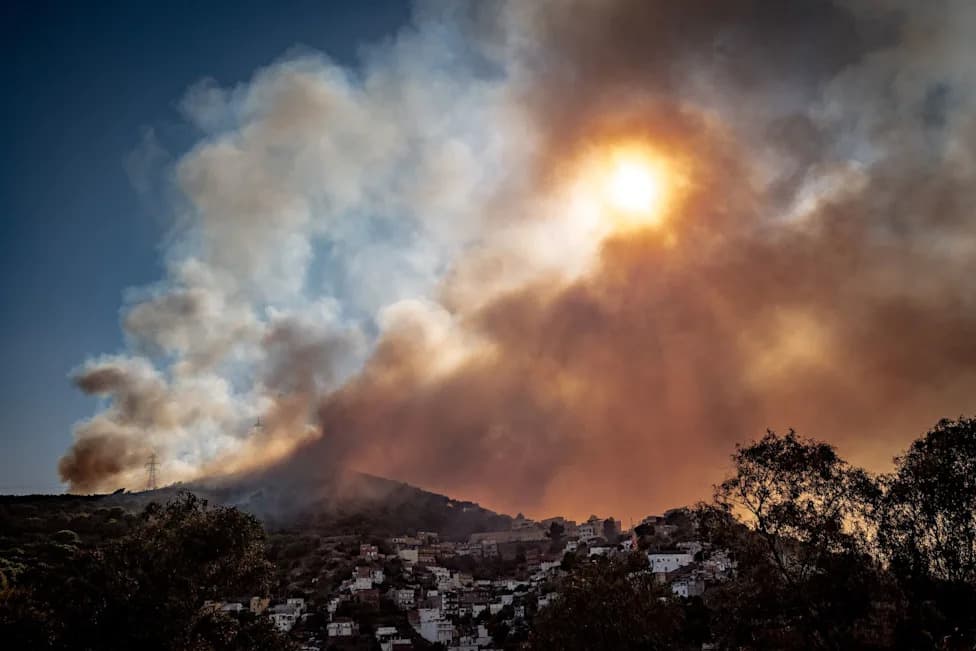
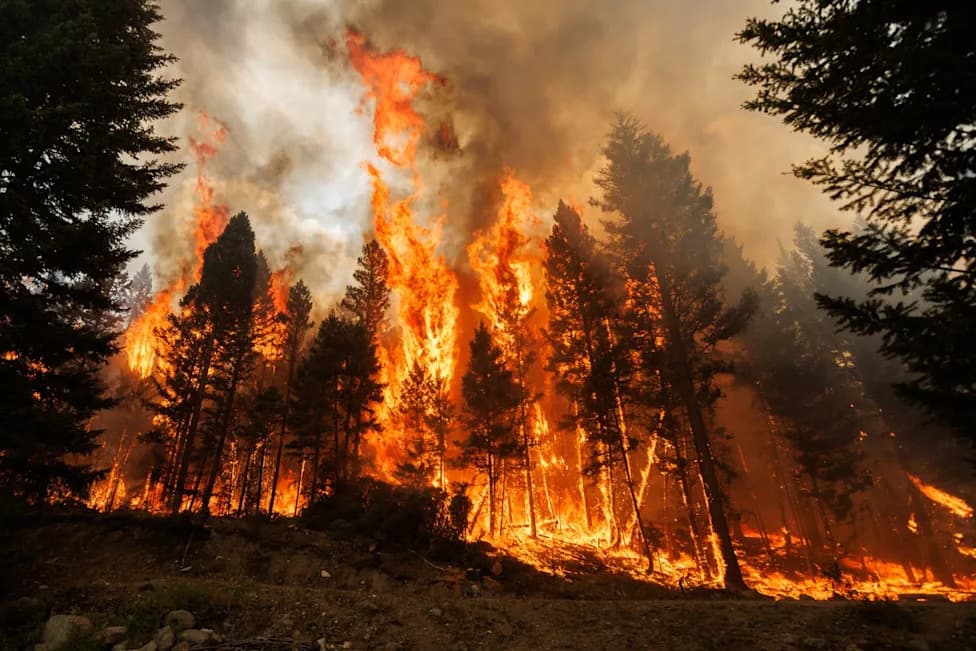
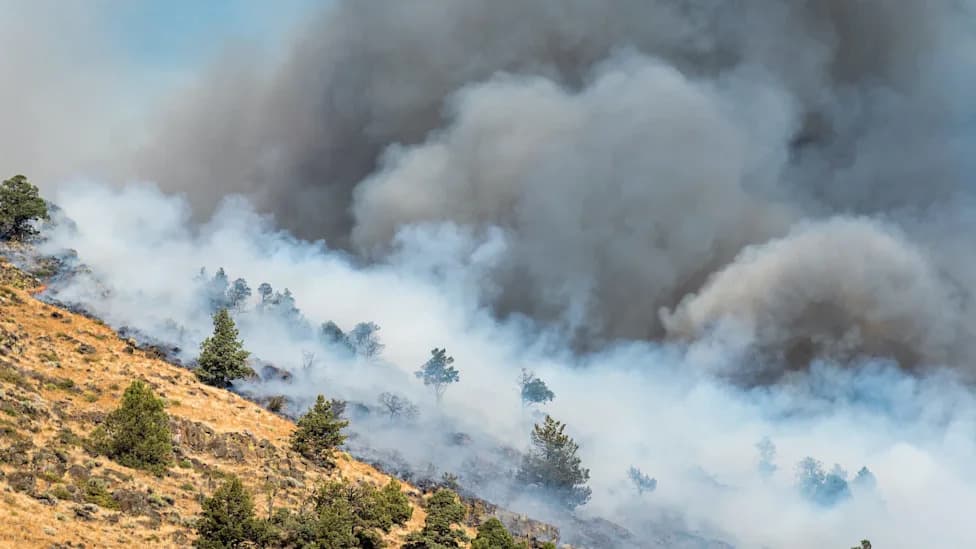
New research links wildfire smoke to rising ground-level ozone — the main component of smog — and suggests these increases are associated with significant numbers of premature deaths across the United States.
Key Findings
Researchers used a NASA-funded deep-learning model and published their analysis in the journal Science. They estimate that wildfire-driven ozone has been linked to more than 300 additional premature deaths per year since 2013, and that in 2023 nearly 8,000 premature deaths nationwide were associated with ozone influenced by wildfire smoke.
How Wildfires Raise Ozone
Unlike protective stratospheric ozone, surface-level ozone forms when sunlight-driven chemical reactions convert wildfire emissions — especially carbon monoxide and nitrogen oxides — into ozone. The resulting smog can aggravate asthma and other respiratory illnesses and is harmful to breathe.
Trends and Regional Patterns
The study shows that ozone pollution generally declined from 2003 through 2015, likely due to stronger pollution controls on sources such as vehicle tailpipes. However, that downward trend began to reverse between 2015 and 2024. Ozone levels have climbed again, particularly in the Midwest and parts of the Western U.S. The authors estimate that without wildfire smoke, ozone in the Midwest would likely have continued to fall after 2015.
Health Impacts
Ozone is a lung irritant. Elevated concentrations make daily life more difficult for people with asthma, chronic obstructive pulmonary disease (COPD), and other respiratory conditions. Children, older adults, and people who spend long periods outdoors face heightened risks. Because smoke can travel hundreds or even thousands of miles, communities far from fires can still experience dangerous air quality.
Implications and Recommendations
The findings highlight that gains from cleaner cars and tighter emissions controls can be partly offset by increasing wildfire activity — a trend linked to human-driven climate change. Researchers and public-health experts stress that the solution is not to roll back pollution controls but to:
- Reduce wildfire risk through better land management and fire mitigation strategies;
- Address climate change to limit the severity and frequency of wildfire seasons;
- Improve and expand air-quality alert systems so vulnerable populations can take protective actions during high-ozone periods.
Practical tips: During smoky, high-ozone days, vulnerable individuals should limit outdoor exertion, stay indoors with filtered air when possible, and follow local air-quality advisories.
Overall, the study connects air-quality trends, wildfire emissions, and public health, underscoring the need for both continued pollution controls and stronger wildfire and climate mitigation efforts.
Help us improve.