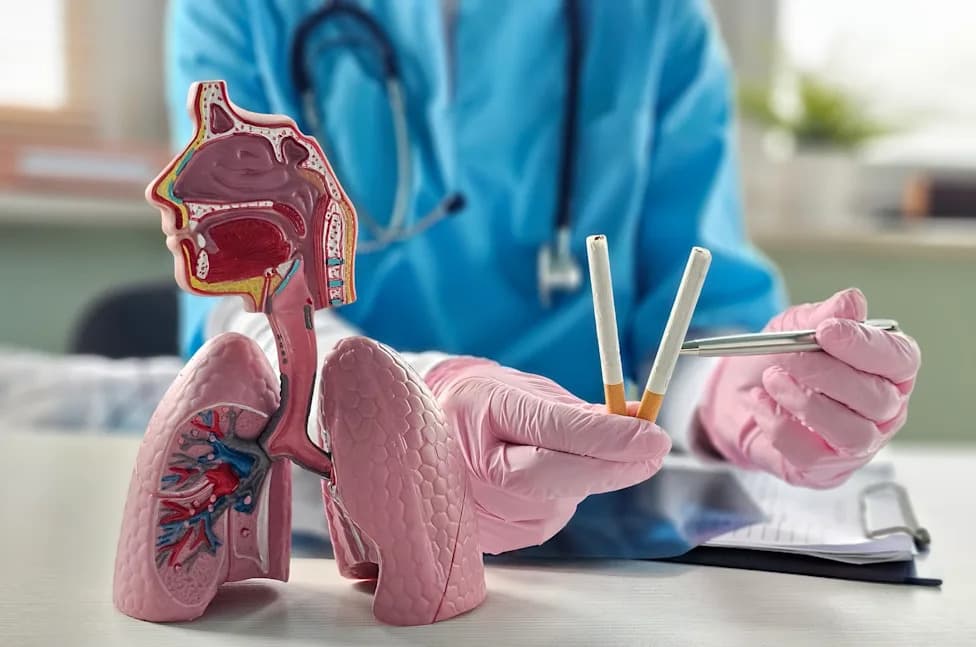
In 2017, doctors observed that 14 lung cancer patients treated with anti–PD-1/PD-L1 immunotherapy experienced re-pigmentation of gray hair. Researchers including Dr. Melissa Harris are now investigating whether these drugs can reactivate pigment-producing stem cells in hair follicles. So far, experiments have been limited to cell cultures and animal models; human trials have not yet begun. Experts caution that immunotherapy drugs carry significant risks and that more clinical research is needed before any treatment could be offered.
Cancer Immunotherapy Restored Color In Gray Hair — Scientists Are Investigating A Possible Reversal

Stock photo of gray hairCredit: Getty
Researchers are exploring whether cancer immunotherapy can halt or even reverse hair graying after a surprising observation in 2017: some lung cancer patients treated with immune checkpoint inhibitors experienced re-pigmentation of gray hair.
The 2017 Observation
In 2017, clinicians reported 14 lung cancer patients who received anti–PD-1 or anti–PD-L1 immunotherapy and later showed visible re-pigmentation of previously gray hair. Authors of that report suggested the hair-color changes might reflect broader immune or cellular responses to treatment.
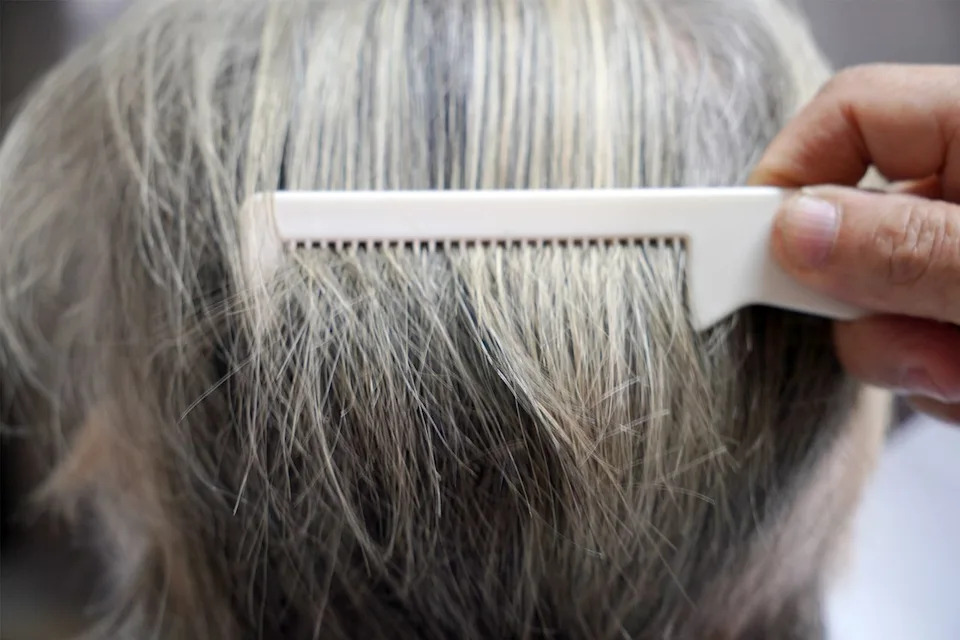
Stock photo of gray hairCredit: Getty
Why Hair Turns Gray
Hair color comes from melanin produced by pigment cells (melanocytes) in the hair follicle. With age, melanocytes—and the stem cells that replenish them—decline in number and activity, causing hair to lose pigment and turn gray, silver, or white.
How Immunotherapy Might Help
Scientists, including Dr. Melissa Harris at the University of Alabama, hypothesize that immune-modulating drugs may alter signaling in the follicle environment, potentially reactivating pigment-producing stem cells or preserving melanocytes. Dr. Harris told Today that she believes losing melanocytes is "the major reason why we gray," and that "reactivating those stem cells" is the way to restore color. In 2025 she told BBC Science Focus, 'We have tools now that I think are getting us closer to it.'

Stock photo of syringeCredit: Getty
What Research Has Shown So Far
Follow-up studies have reproduced related effects in cell cultures and animal models, mirroring the clinical repigmentation cases from 2017. However, researchers emphasize that human trials specifically testing immunotherapy for gray-hair reversal have not yet been conducted.
Important Caveats And Safety
Immune checkpoint inhibitors are powerful cancer treatments that can cause significant and sometimes serious immune-related side effects. They are not suitable for cosmetic use without rigorous clinical testing to establish safety and efficacy. Experts also note that other factors—such as vitamin deficiencies, smoking and chronic stress—can influence premature graying and should be addressed as part of overall hair-health strategies.
Bottom line: The link between immunotherapy and hair re-pigmentation has opened a promising research avenue, but any safe, reliable therapy to prevent or reverse age-related gray hair is still some way off and will require careful clinical study.
Help us improve.