South Korea has begun consultations with the U.S., Iran and other partners on safe navigation through the Strait of Hormuz after a preliminary MOU extended a ceasefire for 60 days. The agreement is intended to buy time for negotiators to discuss nuclear and other issues toward a final settlement. About two dozen South Korea-linked ships remain stranded, and Seoul is assessing risks such as naval mines, security conditions and shipping traffic while coordinating with shipping firms to protect vessels and crews.
South Korea Consults With U.S. and Iran Over Strait of Hormuz Transit After 60-Day Ceasefire MOU
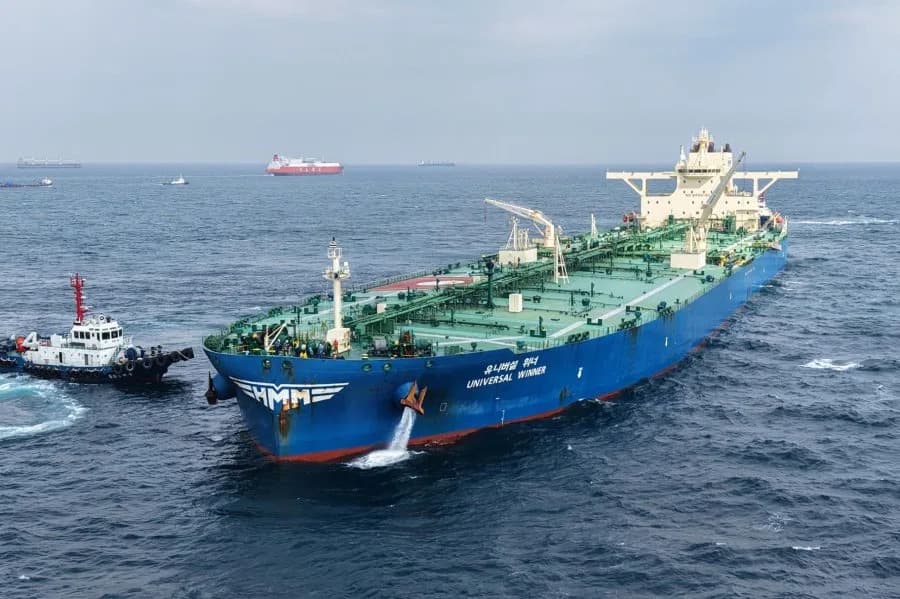
South Korea is consulting with the United States and Iran about navigation through the Strait of Hormuz, the Foreign Ministry said Tuesday. In this photo, the South Korean oil tanker Universal Winner arrives near Ulsan on June 10 after exiting the Strait. Photo by Yonhap
South Korea has opened diplomatic consultations with the United States, Iran and other relevant partners about safe navigation through the Strait of Hormuz after a preliminary memorandum of understanding (MOU) extended a ceasefire in the Middle East for 60 days, Seoul's foreign ministry said Tuesday.
What Happened
According to U.S. officials, the MOU — described as a framework to extend the ceasefire for 60 days — was signed by U.S. and Iranian representatives to allow negotiators time to discuss nuclear and other outstanding issues aimed at reaching a final peace settlement. Seoul said it has begun communicating with all relevant parties to clarify conditions for maritime transit.
Ships Stranded and Security Concerns
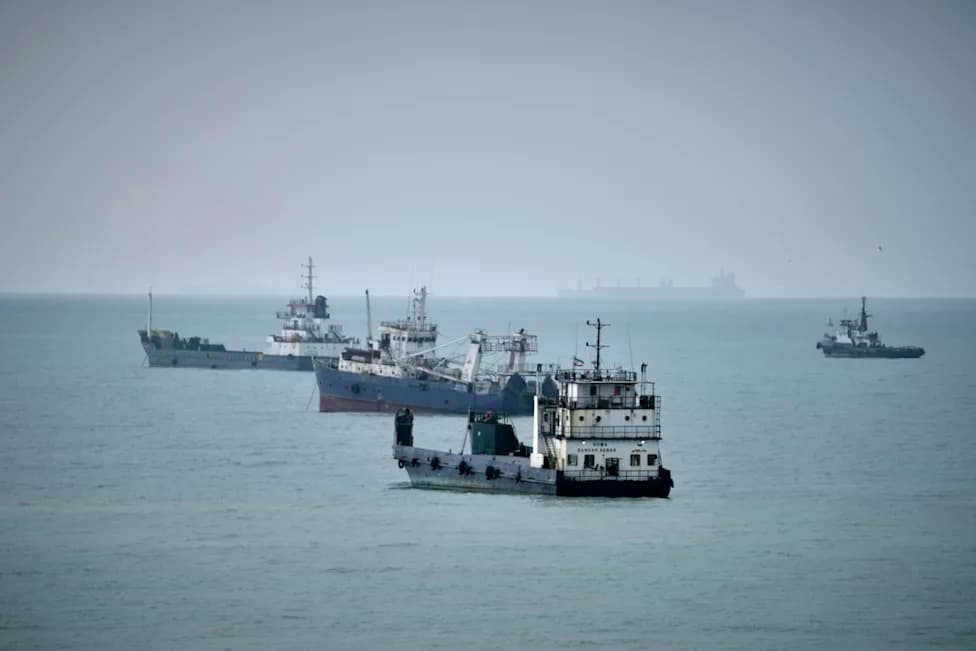
A large number of vessels, including about two dozen ships linked to South Korea, remain immobilized in the waterway after Tehran had used threats of missile and drone strikes to disrupt traffic amid the conflict. The situation has raised urgent safety and commercial concerns for South Korean shipping interests.
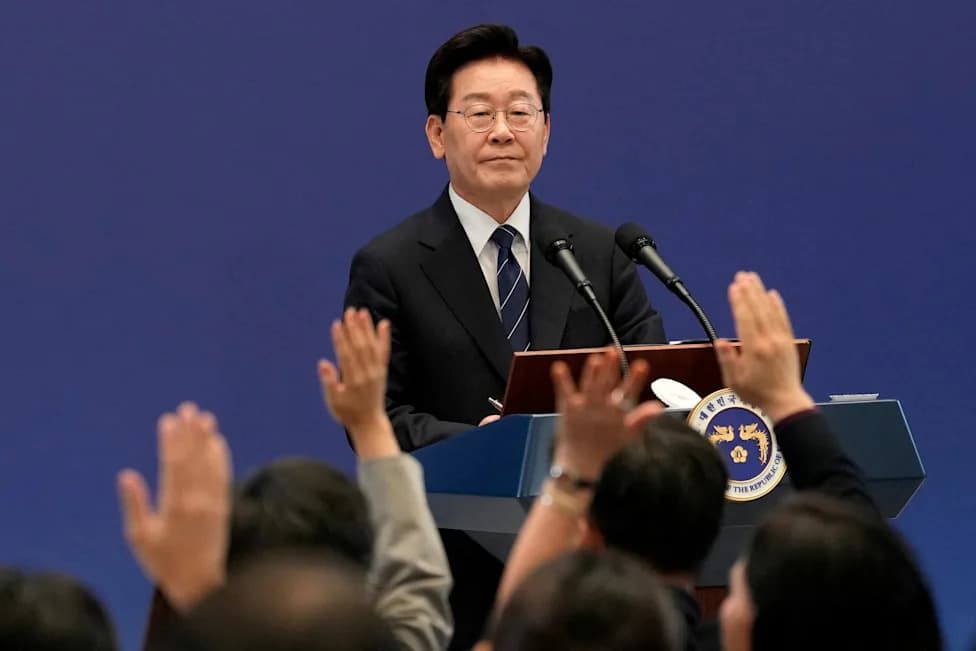
"We are assessing the details related to maritime transit and have begun necessary communication with relevant countries, including the U.S. and Iran," ministry spokesperson Park Il said at a regular press briefing.
Park said Seoul is closely monitoring several risk factors before authorizing or recommending passage operations, including the possible presence of naval mines, the overall security environment in the strait and current shipping traffic. He added that the government will prioritize the safety of South Korean vessels and crew while working to restore normal shipping flows.
Next Steps
The foreign ministry said it will maintain close consultations with shipping companies and allied navies as conditions evolve, and will continue diplomatic engagement with partner countries to secure safe transit routes. Seoul also emphasized coordination with commercial shippers to assess vessel-by-vessel needs and timing for departures.
Help us improve.