Theatrical release of Christopher Nolan’s adaptation of The Odyssey could revive interest in ancient Greece, but academics warn that school access to Classics is uneven. At Barrs Hill School in Coventry, GCSE pupils show strong enthusiasm, yet the school cannot offer Classical Civilisation at A-level because of funding, timetable constraints and a shortage of specialist teachers. Universities run outreach programmes, but researchers say the main problem is the broken pipeline—from GCSE to A-level to university.
Christopher Nolan’s The Odyssey: A Box-Office Boost — But School Access To Classics Is Shrinking
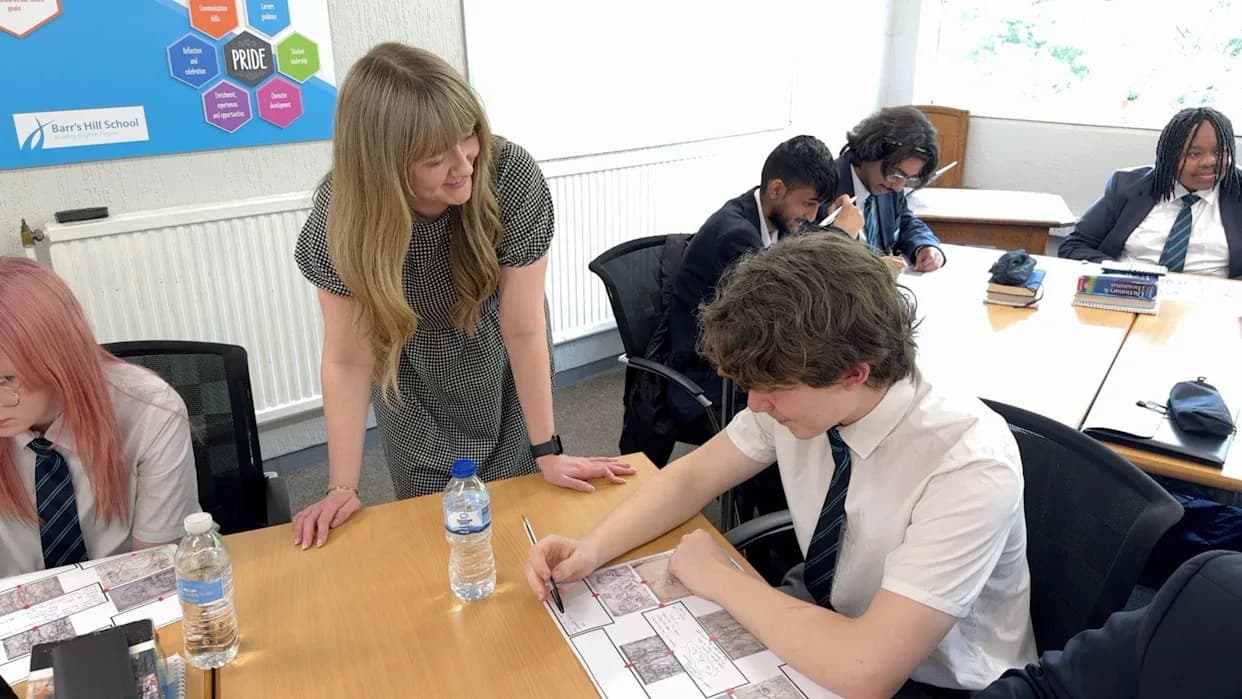
Pupils have been studying The Odyssey at Barrs Hill School in Coventry [BBC]
A major Hollywood adaptation of Homer’s The Odyssey is set to reach global audiences this summer, and while the film may spark renewed interest in the ancient world, educators and academics warn that opportunities to study the Classics in schools remain uneven.
Classics In The Classroom: Enthusiasm Meets Obstacles
I visited Barrs Hill School in Coventry, where GCSE pupils were engaging with The Odyssey—debating characters, unpacking themes and drawing connections to contemporary politics and society. Cassidy Phillips, head of history, Classics and politics, describes growing enthusiasm as pupils progress through school.
“Pupils are really passionate about it. They start with myths and stories early on and by the time they get to GCSE, they’re connecting those ideas to history, politics and the world around them,” Phillips said.
Lessons at Barrs Hill cover epic poetry, Roman urban life and the cultural roots of modern institutions. Teachers say that a high-profile film adaptation helps pupils visualise characters and settings, making ancient texts feel more relevant.
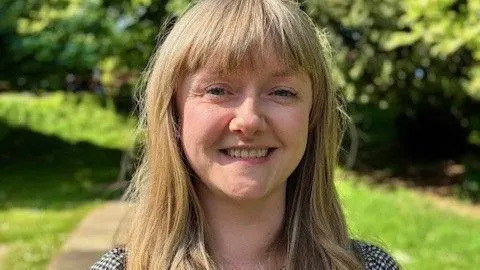
Cassidy Phillips described her pupils as "passionate" about the Classics [BBC]
Why Many Pupils Can’t Continue With Classics
Despite strong GCSE uptake in some schools, many state schools—including Barrs Hill—do not offer Classical Civilisation at A-level. Schools cite tight budgets, limited timetable space and a shortage of specialist teachers. In many cases, English, history or languages teachers cover the subject in place of trained Classics specialists.
“There are barriers,” Phillips said. “In a lot of schools, you’re relying on English, history or languages teachers to step in and deliver it, because there just aren’t enough trained Classics specialists—particularly in the Midlands.” The upshot is that many students who develop an interest in the subject at 16 have to give it up.
National Trends And The ‘Broken Pipeline’
Researchers at the University of Warwick say the pattern seen at Barrs Hill is becoming familiar across the UK. Professor Michael Scott notes that interest in the Classics among students is not declining: entries for Classical Civilisation A-level have been broadly stable and have, in some years, risen slightly since the 2019 reforms. Combined entries across classical subjects have increased by roughly a quarter over seven years.
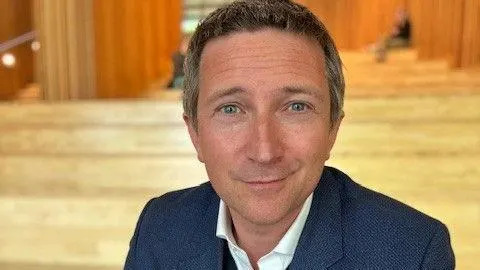
Professor Michael Scott at the University of Warwick said interest in the Classics was far from declining [BBC]
But Scott and other academics stress that headline figures hide an uneven distribution of opportunities. Independent schools remain far more likely to offer Classics at A-level, while provision in the state sector is patchy—strong in some areas and absent in others.
“It’s not that students don’t want to study it,” Scott said. “It’s that the opportunity to do so isn’t evenly spread.” He and colleagues describe a “broken pipeline”: outreach and short-term initiatives help, but if pupils cannot continue at A-level it becomes much harder for them to imagine studying Classics at university.
Efforts To Widen Access
Universities have stepped in with outreach programmes, sending students into schools, running sessions for pupils and training teachers. “We’re reaching thousands of pupils across the West Midlands every week,” Scott said. “When students get the chance, they engage.” Nonetheless, he warned, outreach cannot fully replace sustained A-level provision.
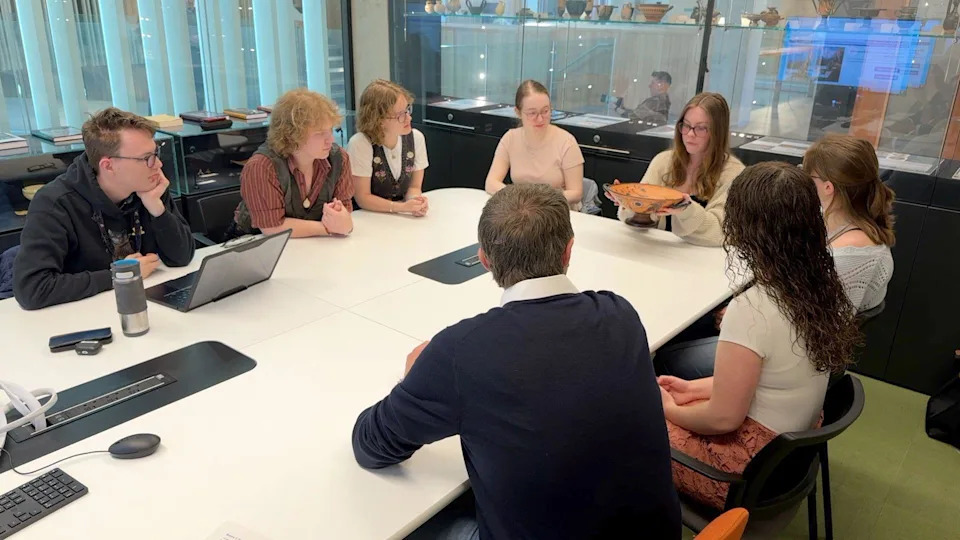
University students said films often played a key role in their interest [BBC]
Classical studies are often perceived as an elitist preserve tied to private schooling and Latin or ancient Greek. Teachers at Barrs Hill, which has a diverse, largely working-class intake, say their pupils quickly connect with the material and see its contemporary relevance.
The Film And Student Reactions
The big-screen adaptation—reported to be directed by Sir Christopher Nolan and starring Matt Damon as Odysseus, with Anne Hathaway, Tom Holland and Robert Pattinson in supporting roles—is likely to introduce Homeric stories to new audiences. University students interviewed said films often spark interest in classical literature.
“Even if a film isn’t completely accurate, it still draws people in—and makes them want to learn more,” said first-year student Rosie Finlayson.
Other students agreed that film can be a gateway: “Not everyone connects with long texts straight away. But stories on screen can be that first step,” said second-year student Lucindy Osei.
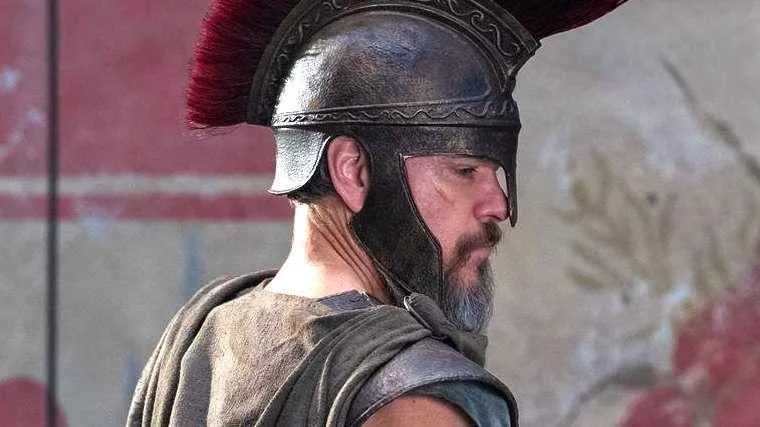
Matt Damon stars as Odysseus in The Odyssey [Universal Studios]
What Officials Say
A Department for Education spokesperson said: “We want every young person to have the opportunity to study these subjects, regardless of where they live or what school they go to. Schools can choose to teach Latin and classics as part of their curriculum, and free specialist support is available through organisations that help schools offer these subjects.”
As The Odyssey prepares to reach cinemas, the challenge for educators is ensuring that cinematic interest can translate into sustained study—especially in state schools where structural barriers still limit options at A-level.
Further Reading
Follow BBC Coventry & Warwickshire on BBC Sounds, Facebook, X and Instagram for more local coverage.
Help us improve.