A Washington woman in her 70s was scammed out of about $1.3 million after a caller identifying himself as "Joshua" convinced her to move life-insurance proceeds into accounts he called secure. A courier, Nancy K. Jahnke, 69, collected cash and was arrested after a controlled $100,000 handoff; she pleaded guilty and was sentenced to nine months. Investigators recovered only about $40,000 and the alleged mastermind remains at large. Authorities warn that banks will never ask customers to move savings through cash couriers or crypto kiosks.
‘Joshua’ Scam Steals $1.3M From Washington Retiree — Courier Sentenced To 9 Months
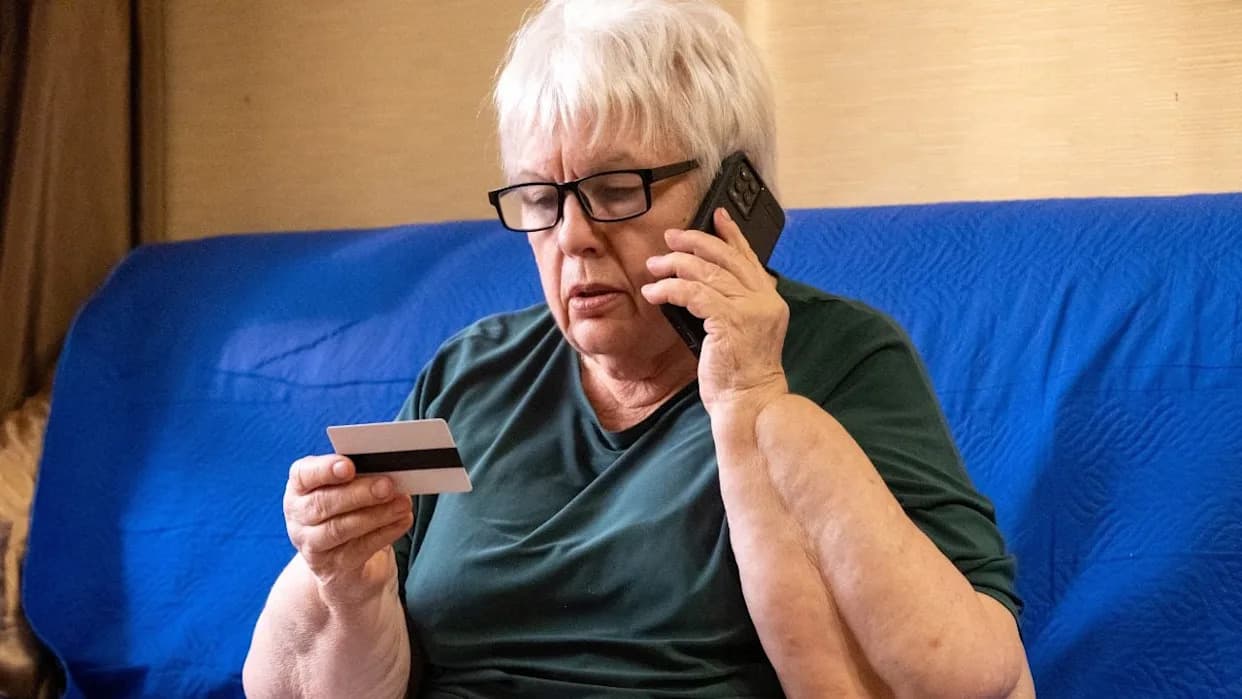
Image Credit: Shutterstock.
A woman in her 70s in Washington was defrauded of about $1.3 million after a man posing as a bank employee convinced her to move her savings into accounts he said were safe. Prosecutors say the funds came largely from the life-insurance proceeds of her late husband, and the loss forced the retiree back into the workforce.
The Scam And How It Unfolded
The scheme began in February 2025, when the victim noticed an unfamiliar charge and called what she believed was her bank. The call was routed to a person who presented himself as a member of the bank's fraud department and identified himself as "Joshua." He told the woman an employee inside the bank was skimming money and urged her to transfer funds to accounts he described as secure.
Over weeks the caller maintained regular contact, alternating requests for additional funds with personal conversation to build trust. The victim sent money through wire transfers and checks and later handed large sums of cash to a courier at the caller's direction. She only grew suspicious after she could not access money needed for surgery.
Investigation, Arrest And Prosecution
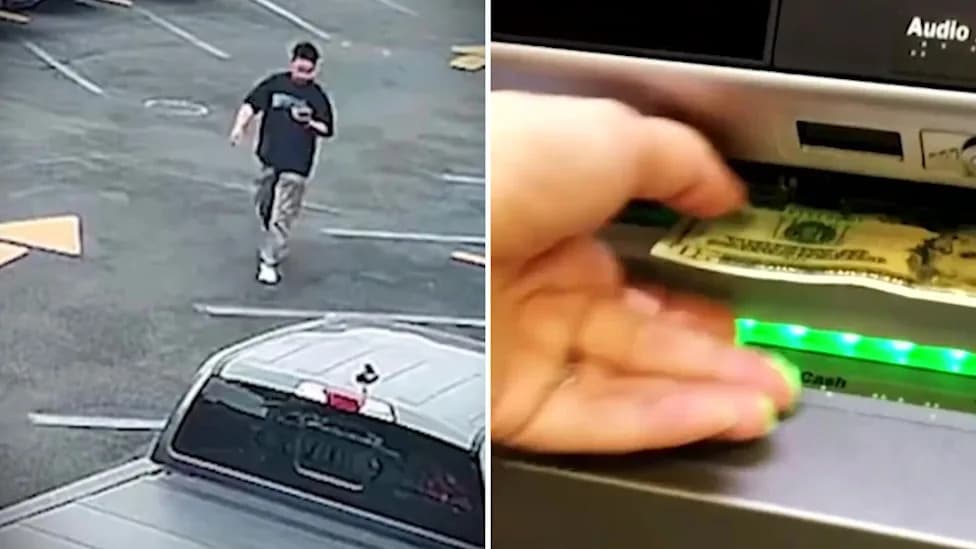
After taking an educational class on scams, the victim contacted Pasco police. Investigators instructed her to stop sending funds but to continue communicating so they could arrange a controlled handoff. Detectives say Nancy K. Jahnke, 69, of Oshkosh, Wisconsin, met the victim at least twice and collected $170,000. Jahnke was arrested following a controlled $100,000 handoff on Feb. 5 and later admitted she had been directed by the caller to travel from Wisconsin to Pasco to pick up cash.
Prosecutors say Jahnke was paid about $5,000 per trip. Jahnke opened multiple bank accounts, retained a portion of the money she collected, and used CoinFlip Bitcoin kiosks to transfer the rest into cryptocurrency wallets allegedly controlled by "Joshua." Investigators recovered only about $40,000 of the stolen funds, which the victim has not been able to access.
Judge Norma Rodriguez: "She lost over $1 million and this woman has to go back to work at her age. I can't follow the recommendation, I'm sorry."
Jahnke pleaded guilty to first-degree theft and first-degree trafficking in stolen property. Although prosecutors and the defense jointly recommended a six-month jail term—citing that Jahnke was not the mastermind—the judge sentenced her to nine months, noting the severe harm to the victim.
Mastermind Still At Large
Franklin County Chief Deputy Prosecutor Julie Long said the person identifying himself as "Joshua" remains at large; his phone number was turned off and investigators had not tracked him down as of the sentencing report.
Broader Context: Cryptocurrency Kiosk Scams
The case highlights a nationwide problem with cryptocurrency kiosks. Kennewick officials recently banned crypto ATM kiosks after local reports of nearly $1 million in kiosk-related losses since 2023. The FBI’s Internet Crime Complaint Center reported more than 13,400 complaints involving cryptocurrency kiosks in 2025, with reported losses exceeding $388 million—more than $302 million of which involved people over age 50.
How To Protect Yourself
Important: A legitimate bank employee will not instruct you to transfer life savings through a chain of wires, checks, cash couriers, or cryptocurrency machines. If you receive a call alleging internal bank theft, hang up and contact your bank directly using a verified number on the back of your card, a bank statement, the bank's official app, or the institution's verified website.
- Do not follow instructions from an unsolicited caller to move funds.
- Verify suspicious calls by calling your bank using contact information you trust.
- Report suspected fraud immediately to local police and to the FBI's IC3.
Help us improve.