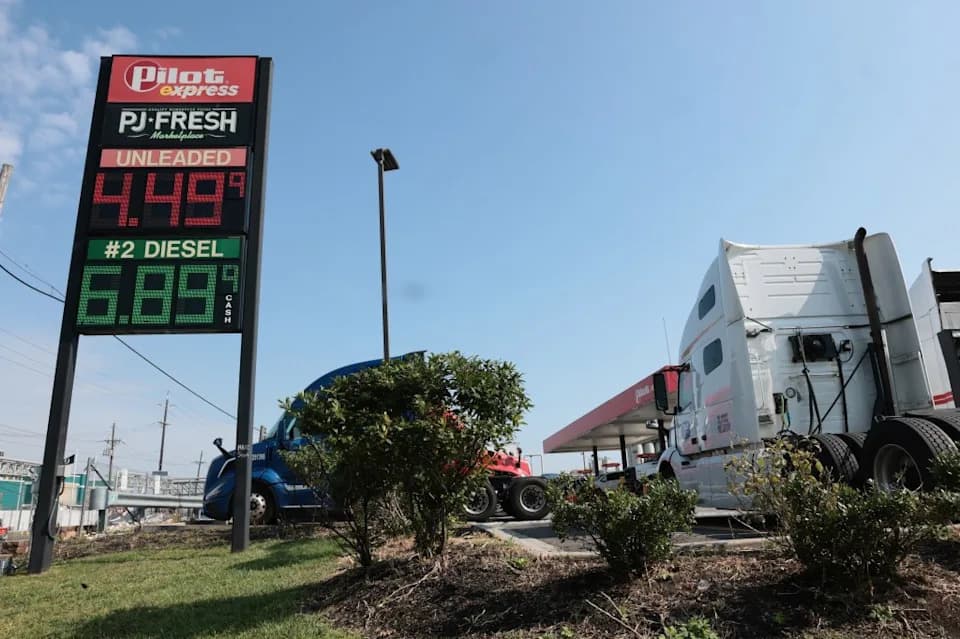
Rising fuel and grocery costs are eroding former President Donald Trump's standing in rural America, a Reuters/Ipsos survey conducted June 3-8 found, with long-time supporters reporting growing frustration that could have implications for November's midterm elections.
Brian Rauch, 42, an Air Force veteran in Stevensville, Montana, said higher gasoline bills for roughly 30-mile trips to medical appointments and rising grocery prices have made him more critical of Trump. Rauch also expressed unease about U.S.-Israeli actions related to Iran and worries about new data centers straining local water supplies.
Poll Results And Political Stakes
The online poll of 4,531 U.S. adults found Trump's approval among rural respondents fell to 50% in June, down from 60% in February 2025; rural disapproval rose to 48% from 34%. The margin of error was three percentage points for rural respondents and two points overall.
Nationally, Trump's approval stands near 35%. Analysts and voters cited fears that conflict involving Iran could fuel further increases in fuel costs — a particular concern in areas where residents drive longer distances.
Everyday Cost Pressures
Only 31% of rural respondents approved of Trump's handling of the economy and cost-of-living issues, while 61% disapproved — a marked shift from February 2025 when roughly 45% approved and 43% disapproved. Bryan Shaver, 62, an insurance agent in Hattiesburg, Mississippi, said persistent food-price pressure is undermining his support: "I have a feeling we're going to be in big trouble in November," he said.
"We're in bigger water fights with AI, we're all paying more for groceries and we're all paying more for gas," Rauch said. "My day to day is negatively impacted and I haven't seen these other benefits."
Rural Exposures And Economic Strains
Federal data show rural residents drive farther on average — about 30 vehicle miles per day versus 17 miles for urban residents (2022 Department of Transportation National Household Travel Survey) — making fuel-price swings especially painful. Agriculture and fishing are also under pressure from rising fertilizer and diesel costs, weak crop prices, and export constraints, squeezing already thin margins for farmers.
Rural voters have historically backed Trump by large margins — Pew Research exit-poll analysis showed a 40-point rural margin in 2024 — so the current slide in approval could be politically significant as Republicans defend narrow congressional majorities this fall.
(Reporting by Leah Douglas and Jason Lange; editing by Scott Malone and Deepa Babington)