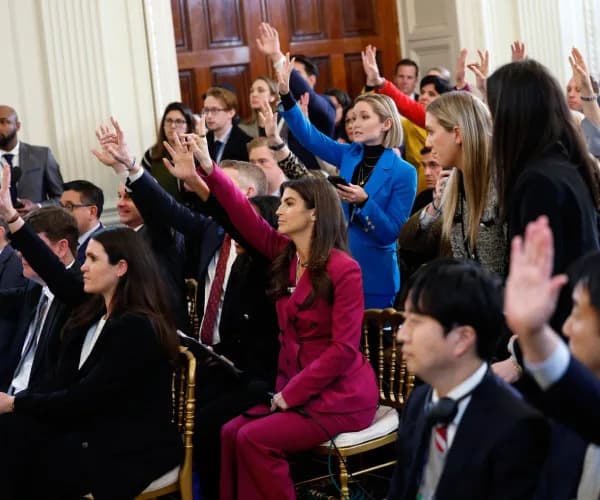
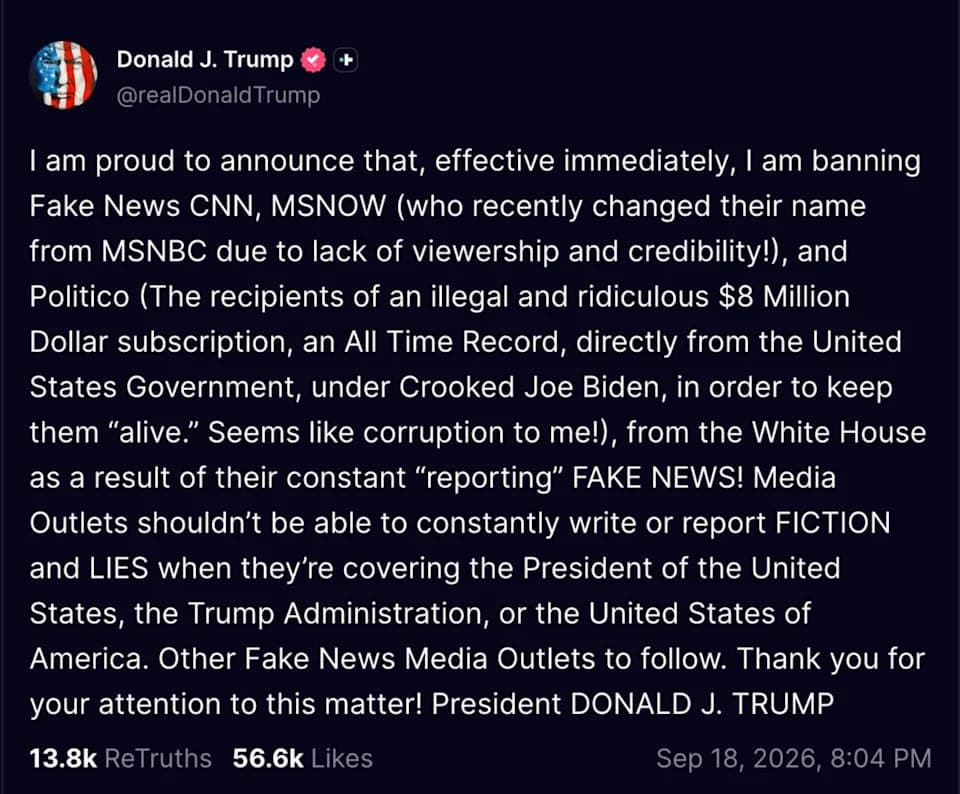
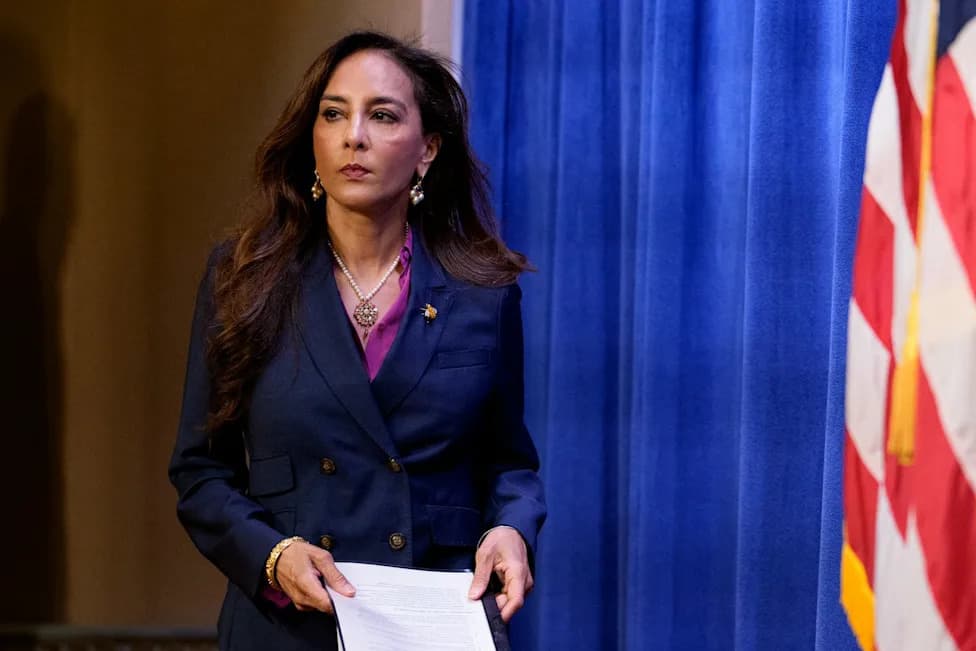
Overview: Scott Pelley's observation that "telling the truth is a revolutionary act" frames this defense of independent journalism. The piece argues that a free press is measured by its willingness to scrutinize power, not by how faithfully it flatters the powerful. It warns that equating scrutiny with disloyalty undermines democracy and stresses that truth is neither partisan nor optional for responsible governance.
A Free Press Must Challenge Power — Why Telling the Truth Can Be Revolutionary
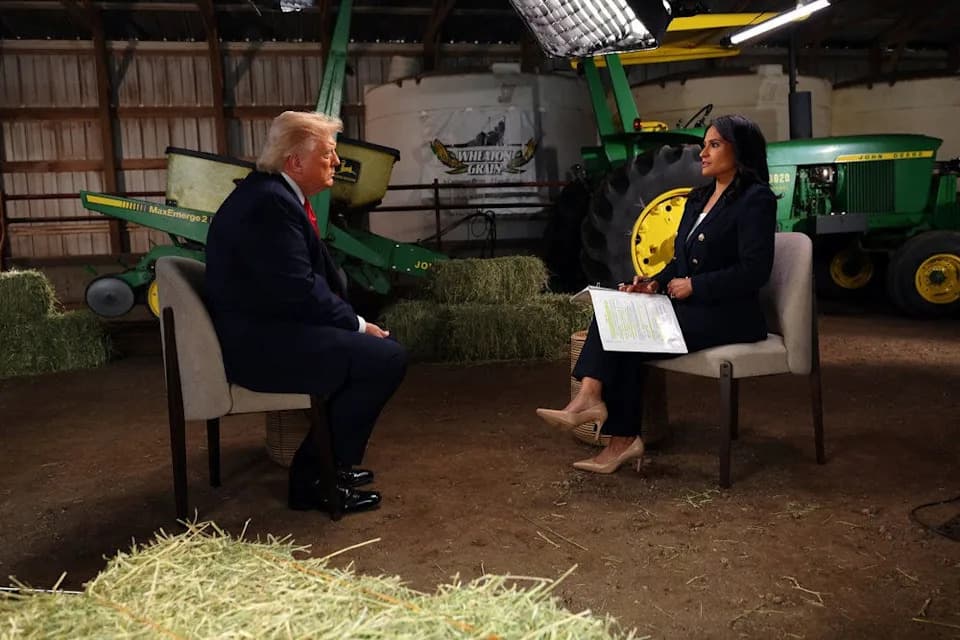
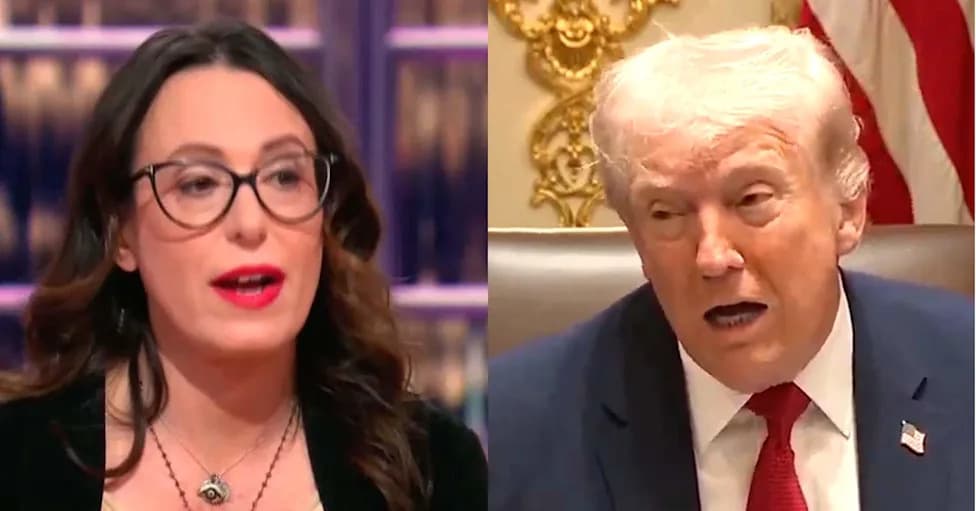
Kristen Welker interviews Donald Trump on 'Meet the Press.' The interview aired June 7, 2026.
Longtime "60 Minutes" correspondent Scott Pelley recently observed, "In a time of universal deceit, telling the truth is a revolutionary act."
Whether readers agree with every report, editorial decision or conclusion is secondary to a larger question: what becomes of press independence when questioning authority is no longer tolerated. A free press is defined not by its fealty to those in power but by its willingness to investigate them.
From the vantage of many MAGA adherents, independent journalism is often seen less as rigorous scrutiny and more as a willful turning away from leaders. When facts and reporting are treated as political adversaries, reporting becomes framed as a threat and journalists are recast as enemies rather than public servants.
A practical admonition from Middle America is worth heeding: if investigations repeatedly expose alleged war crimes, fraud, corruption and abuse, perhaps the sitting administration and its allies should stop engaging in conduct that invites scrutiny. Negative reporting does not create wrongdoing; wrongdoing invites negative reporting.
Spin Versus Detachment From Reality
There is a difference between polished political spin and wholesale detachment from fact. Early iterations of Trumpism often relied on rhetorical pivots and narrative management—strategists redirected questions and reframed coverage. But the current form has frequently replaced artful spin with thunderous assertions untethered from observable reality. That kind of conviction does not accommodate truth.

Nicholas Anderson
The role of journalism is not to uplift power but to scrutinize it. Accurate coverage of tragedies cannot always be reframed into comforting narratives. Exposing governmental misconduct cannot always be spun into triumph. When facts become inconvenient, the fault lies with the actions being reported, not with the facts themselves.
Reporters will change, anchors will retire, and networks will trade hands. The names on bylines will come and go. What must remain constant is the expectation that those who wield power be held to account. When scrutiny is equated with disloyalty, journalism ceases to be a public service and is recast as an enemy of the state.
The truth is neither Republican nor Democrat; it does not vote or campaign— it simply is. If telling the truth increasingly sounds revolutionary, that reflects a political culture determined to silence inquiry more than it indicts the journalists reporting it.
Nick Anderson lives in Walnut Hills.
This article originally appeared in the Cincinnati Enquirer: "Independent Journalism Is A Democratic Necessity".
Help us improve.