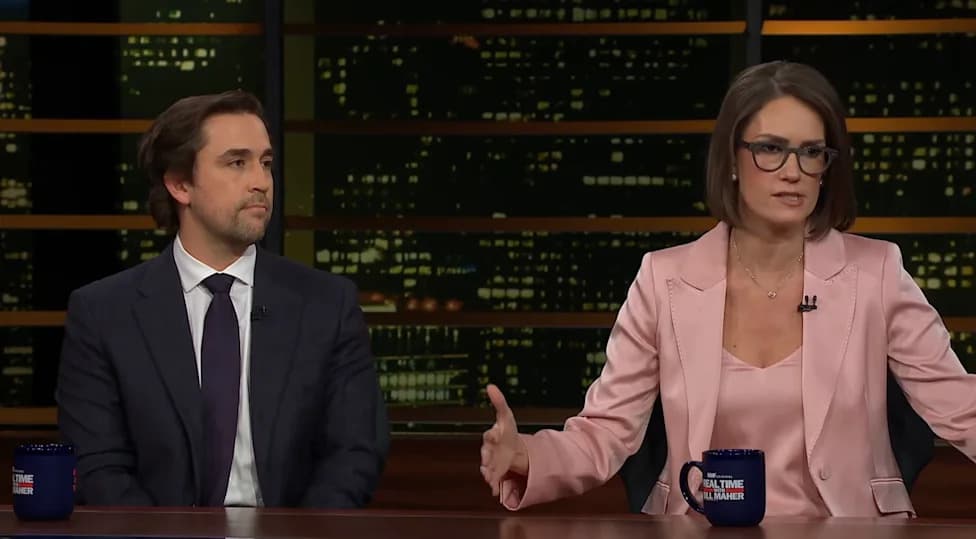
Many reporters and scholars label U.S. politics as defined by polarization and brand their work as neutral. Shannon McGregor argues that this frame—and strict neutrality—can hide a radical turn within the Republican Party and produce misleading coverage. She urges media, academia, and philanthropies to prioritize context, power, and accountability over simplistic polarization narratives.
The Real Political Problem Isn’t 'Polarization' — It’s the Frame That Hides Radicalism
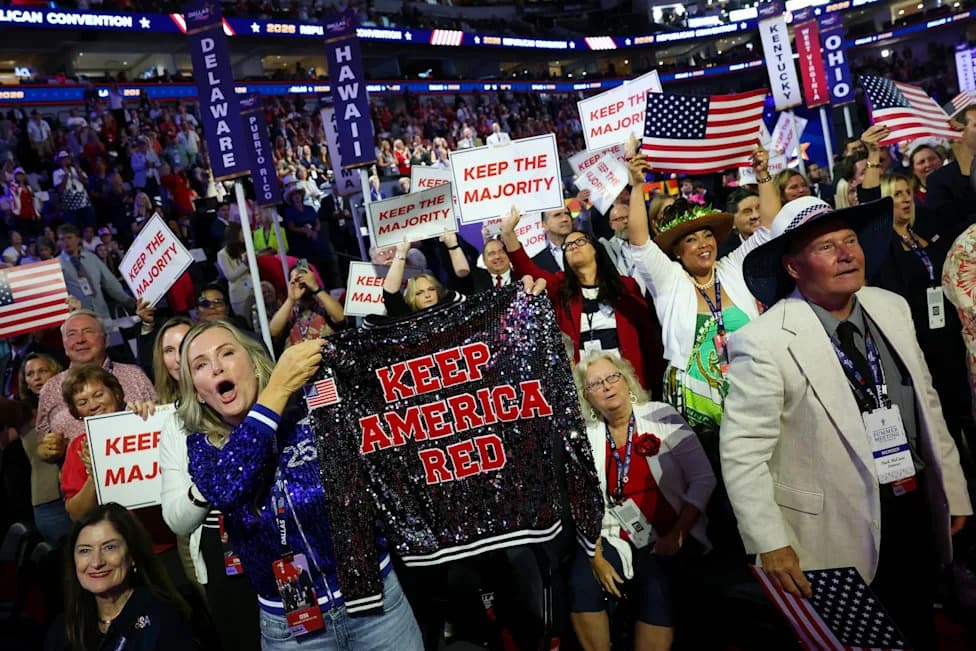
America’s Big Political Problem Isn’t Polarization
Academics, journalists, and funders frequently describe contemporary U.S. politics with a single word: polarization. That label is often accompanied by claims of neutrality and balance from reporters and researchers. But Shannon McGregor, a professor at the University of North Carolina at Chapel Hill's School of Journalism and Media, argues that this frame can obscure more important realities—most notably, a radical rightward shift within the Republican Party—and produce misleading accounts of American politics.
Why 'Polarization' Became the Dominant Frame
The polarization narrative is attractive because it explains disagreement as symmetric and persistent: both parties are moving apart and compromise is rare. Media outlets and academic studies that lean on this frame often present it as objective. Funders and institutions, seeking measurable and neutral topics, have reinforced the trend by supporting research and reporting that fits the polarization story.
How Neutrality And Polarization Reinforce Each Other
"Neutrality can look like evenhandedness while masking important power dynamics and radical shifts," McGregor observes.
When journalists insist on strict neutrality—giving equal weight to both sides—they can portray extremist positions as simply another side of a political debate. Combined with the polarization frame, this approach treats asymmetries in power, intent, and threat as if they were merely stylistic differences between two parties.
What McGregor Recommends
McGregor urges journalists, scholars, and philanthropic funders to adopt frameworks that emphasize context, power, and accountability rather than defaulting to polarization. Practical suggestions include:
- Focus on institutional behavior and consequences, not just partisan rhetoric.
- Report on asymmetries in political goals, tactics, and threats instead of treating both sides as mirror images.
- Design research questions that illuminate power dynamics and factual harms, rather than measuring polarization as an endpoint.
- Support journalism and scholarship that investigates how political actors act on ideology, not only how they disagree.
The conversation is available on the Right Now program with Perry Bacon (episodes on YouTube and Substack), and a transcript is also provided for reference.
Bottom line: Calling today’s political conflict simply “polarization” and masking coverage with a veneer of neutrality can obscure meaningful differences in intent and danger. McGregor calls for reframing how the media, academia, and funders study and report U.S. politics so readers get a clearer picture of what’s actually happening.
Help us improve.