Ukraine’s defense makers have fragmented production across many small sites and underground facilities to survive Russia’s drone and missile strikes. Ukrainian officials and company leaders say European firms should adopt distributed manufacturing to reduce risk, even though it increases cost and complexity. NATO and Ukrainian commanders warn militaries must also relearn dispersal, mobility, and redundancy to withstand growing air threats.
Ukraine’s Arms Makers Fragment Production to Avoid Strikes — They Urge European Firms to Do the Same
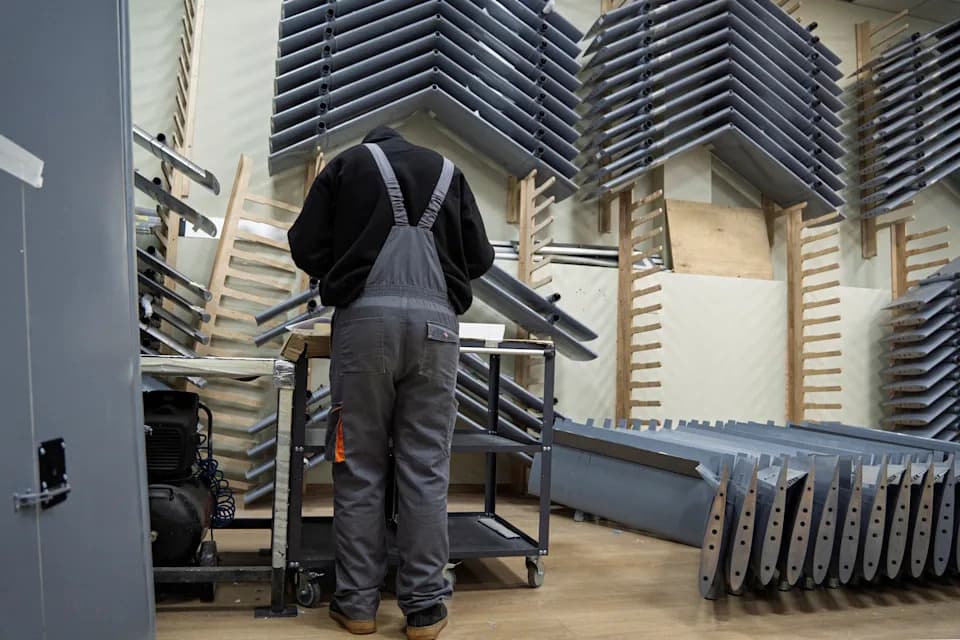
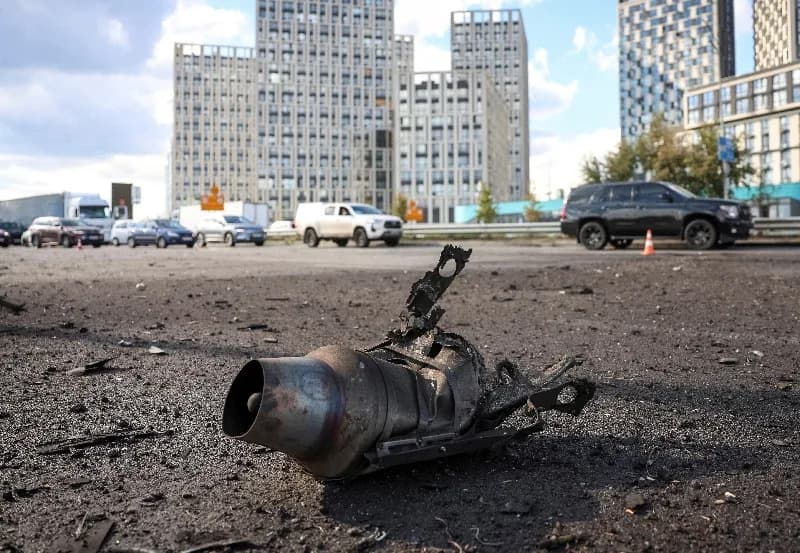
Ukraine's weapons makers typically spread their work over dozens of sites to avoid Russian attacks.Serhii Okunev / AFP via Getty Images
Ukraine's defense manufacturers have broken production into dozens of small sites and even underground facilities to survive Russia’s drone and missile campaign. Company leaders and Ukrainian officials told Business Insider that European defense firms should consider the same model of distributed manufacturing to reduce vulnerability in any future conflict.
Why Firms Are Dispersing
Russia’s attacks on industrial sites have made large, centralized factories high-value targets. As a result, many Ukrainian suppliers — including units of foreign firms — have split operations across multiple locations or moved critical work underground. These measures increase costs, complicate logistics and production, and make coordination harder, but they reduce the risk that a single strike could cripple an entire supply chain.
How Companies Are Adapting
Davyd Aloian, deputy secretary of Ukraine’s National Security and Defense Council, said some European countries should adopt similar practices. “Some countries definitely should,” he told Business Insider.
Ark Robotics, a Ukrainian-Estonian tech and defense firm, uses a model its CEO (who requested the pseudonym Achi for safety) calls distributed manufacturing: different components and processes are carried out at separate sites across Europe. Headquartered in Estonia with an R&D center in Kyiv, Ark has more than 50 engineers spread across Ukraine, Estonia, and other European locations. Achi said the company avoids building a single “gigafactory” because it would create an obvious target.
Frontline Robotics has taken a similar approach. Mykyta Rozhkov, the company’s chief business development officer, said the firm is set up to “endure the loss of any site.” Frontline, which employs over 400 people and supplies equipment to more than 60 Ukrainian units, operates multiple engineering, testing, training, and warehouse teams inside Ukraine and has launched production in Germany through a joint venture with Quantum Systems called Quantum Frontline Industries.
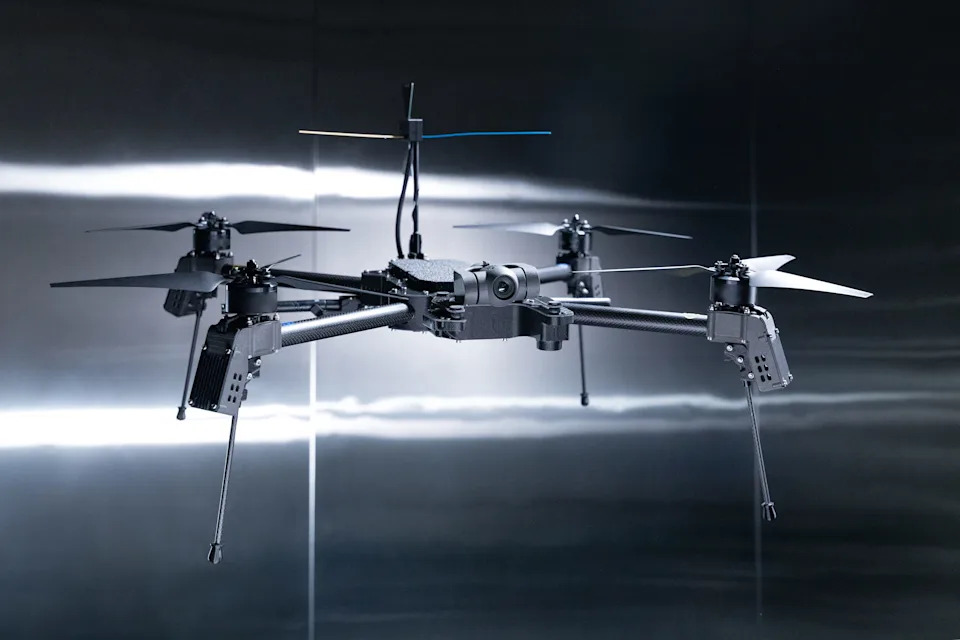
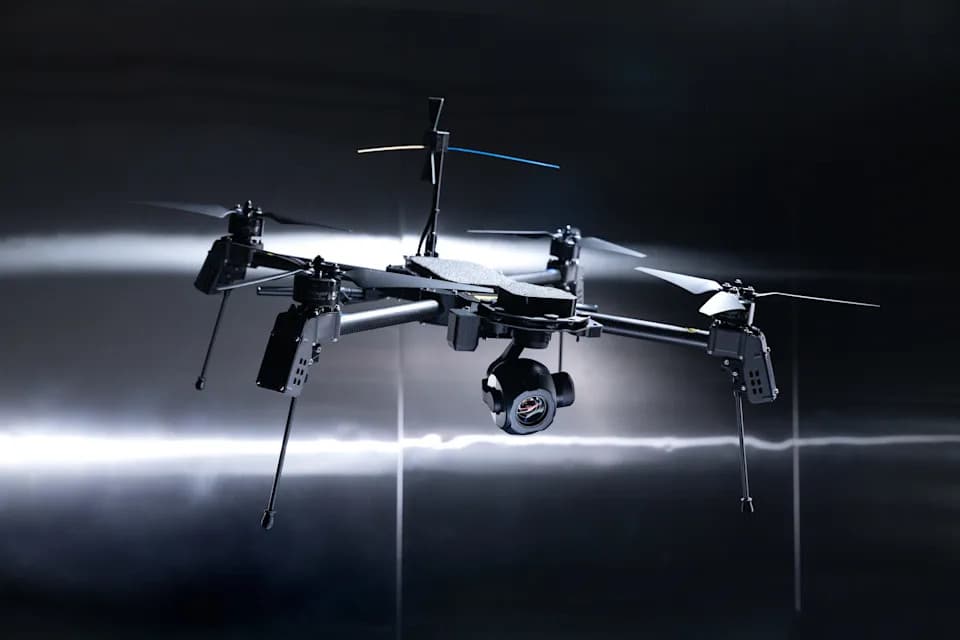
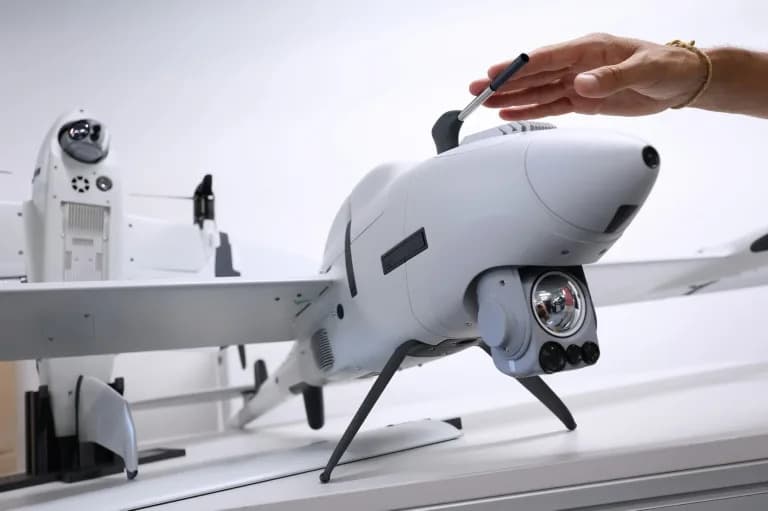
Frontline Robotics makes aerial drones, and can't afford to work out of one large location.Frontline Robotics
Other firms, including Estonian drone maker Krattworks and secure-communications company Himera, have also dispersed production across numerous small sites — sometimes five, 10, or 15 locations — or kept stock and critical operations separate to avoid creating targets "worth it" for attackers.
Wider Risks and Strategic Considerations
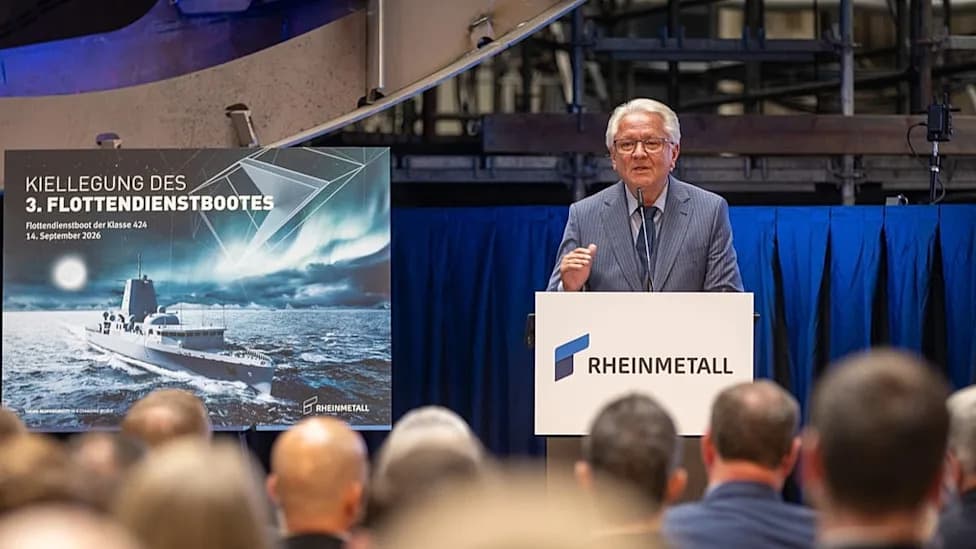
Risks for defense firms go beyond factories. A NATO official confirmed a plot to kill the CEO of Rheinmetall, illustrating the personal and corporate threats that accompany wartime supply. While attacks on many European countries could risk escalation, officials warn that the air and missile threat is growing and that Western industry and militaries must relearn dispersal and mobility.
"We believe one of the key lessons from Ukraine is that resilience cannot depend on a single site, a single supplier, or a single geography," Achi said. "Modern defense requires distributed capabilities that can continue operating under pressure."
Sir John Stringer, NATO’s deputy supreme allied commander Europe, told Business Insider that reliance on large, centralized air operations centers is "no longer viable." Taras Berezovets, head of the military cooperation department of Ukraine’s Territorial Defense Forces, urged Western forces to make drone units and command centers mobile or protected underground because they are priority targets.
Challenges For Europe
Aloian noted a key challenge: many European countries are geographically smaller than Ukraine and lack the "strategic depth" to spread facilities widely inside their borders. He suggested cross-border dispersion as a possible solution — spreading production across several countries to increase resilience.
Dispersed manufacturing reduces the chance of catastrophic loss but raises costs and operational complexity. Still, Ukrainian firms argue the trade-off favors resilience in an era of growing air and missile threats.
Bottom line: Ukraine’s experience shows that breaking up production — across many small sites, underground, or across borders — is a practical, if more expensive, path to preserving defense output in a high-threat environment.
Help us improve.