Photographic memory—the idea that the mind records and replays every experience perfectly—has no scientific support. Memory is a reconstructive process influenced by current cues, knowledge and mood, which makes recall incomplete and changeable. Exceptional feats reflect practiced strategies rather than literal snapshots, and rare phenomena like eidetic imagery and HSAM have important limits and costs. Forgetting and reconstruction are adaptive features that help generalize learning, protect emotions and sustain identity.
Photographic Memory Is a Myth — What Science Really Says About Remembering

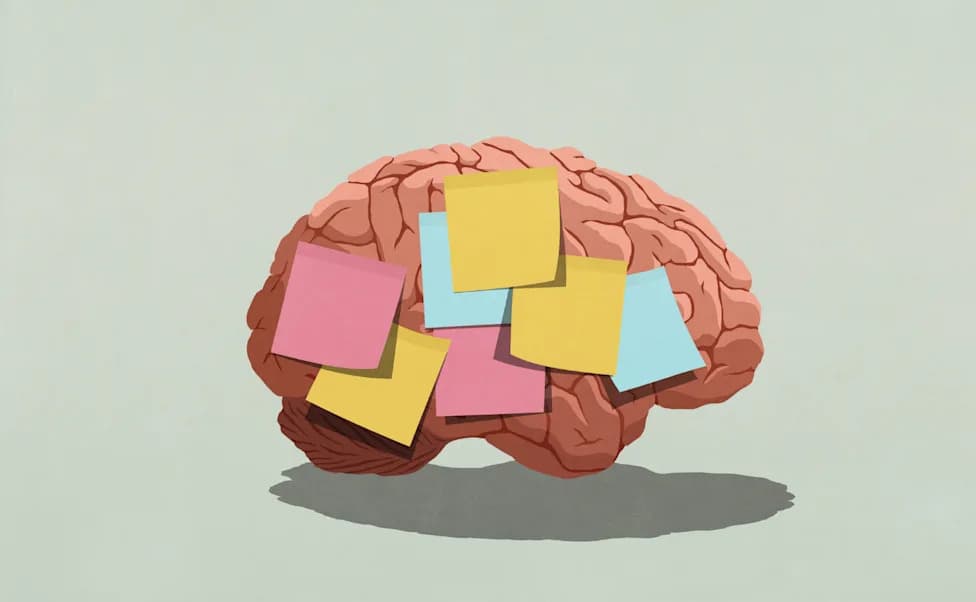
Your memory is not a camera.F.J. Jimenez/Moment via Getty Images
Hollywood and popular culture love the idea of a mind that functions like a camera: glance once and recall everything forever. From TV series such as Sherlock and Suits to children’s books like the Cam Jansen stories, fictional characters routinely display what looks like perfect, photographic memory. But decades of scientific research show that human memory does not operate that way.
Memory Is Constructive, Not Photographic
There is no credible scientific evidence for a literal photographic memory that stores and replays experiences perfectly. Instead, memory is a reconstructive process. When you remember something, your brain pieces together fragments of information—sensory traces, associations, current knowledge, cues and present goals—to create a coherent recollection. Those pieces, and the way you assemble them, change over time, so you may remember the same event slightly differently from day to day.
Why Film Metaphors Mislead
Believing memory should be like a camera leads to unrealistic expectations: if you can’t retrieve every detail, you might assume your memory has failed. In truth, forgetting and reconstruction are adaptive. They help us extract the gist of past experiences to apply lessons flexibly to new situations, protect emotional wellbeing by dulling painful details, and maintain a coherent sense of self by allowing selective revision of memories that threaten identity.
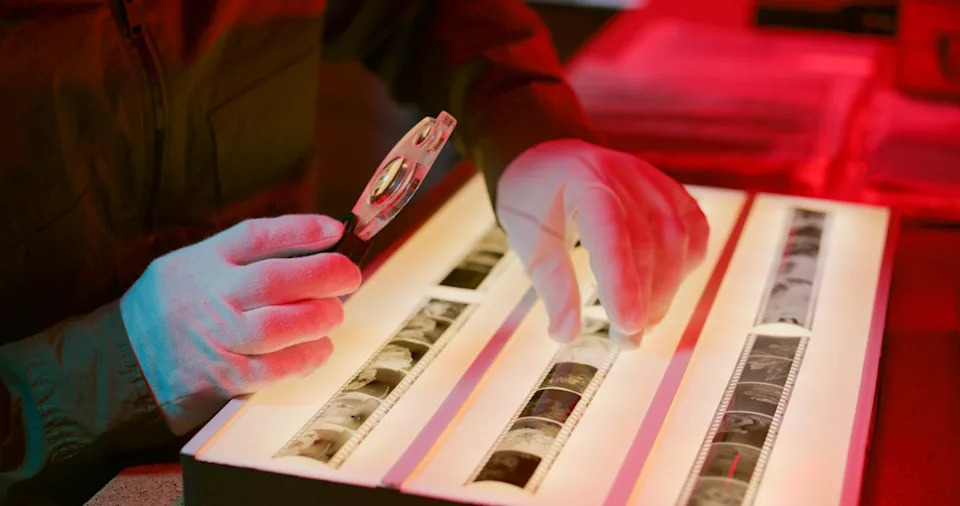
Memory doesn’t scan through a bank of static, stored memories.janiecbros/iStock via Getty Images Plus
Exceptional Memory Is About Strategy, Not Snapshots
Some people perform extraordinary feats—memorizing thousands of digits or whole decks of cards. These accomplishments are real, but they arise from practiced techniques and mental frameworks (mnemonic systems, loci methods, chunking) built through deliberate practice. Take those strategies away, and memory champions’ everyday recall is indistinguishable from anyone else’s. Their advantage is method, not a fundamentally different memory mechanism.
Closest Phenomena: Eidetic Imagery and HSAM
The nearest scientific analogues to photographic memory are eidetic imagery and highly superior autobiographical memory (HSAM). Eidetic imagery—briefly continuing to "see" a picture after it’s removed—is rare, mostly seen in children, short-lived, and imperfect (it can contain distortions). HSAM lets people recall many personal life events in vivid detail and often stems from frequent, even compulsive, rehearsal tied to dates. Both phenomena have limits and costs: they are not flawless playback systems, and HSAM can make it difficult for people to move past negative experiences.
Practical Consequences
Myths about perfect memory shape how we judge students, eyewitnesses and patients and can skew legal and educational expectations. Moving away from the camera metaphor encourages clearer thinking: memory is fallible but flexible, error-prone by design and often adaptive.
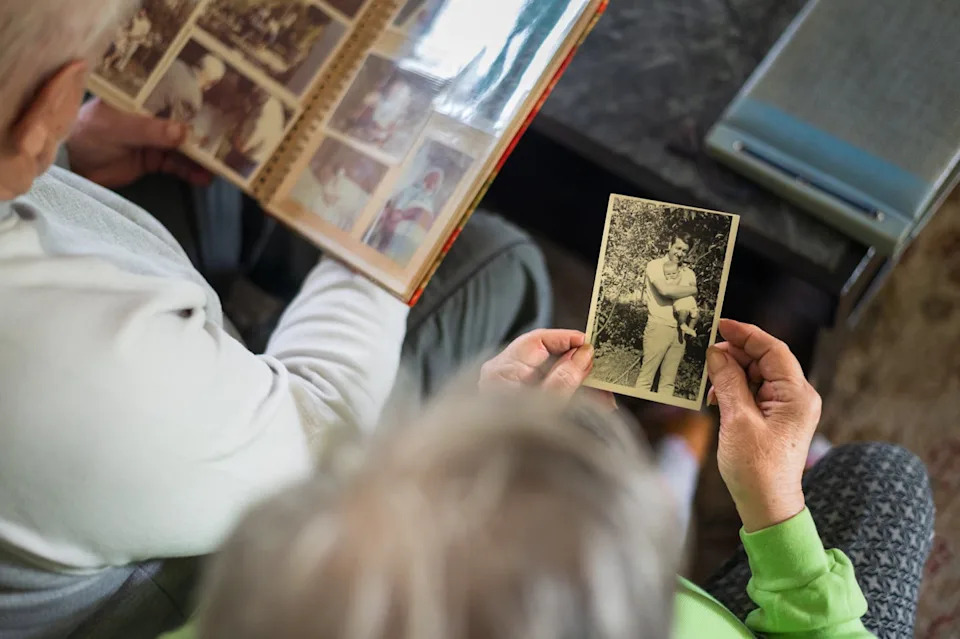
Even mundane moments can be recalled by the rare people with highly superior autobiographical memory.Slavica/iStock via Getty Images Plus
Conclusion
Human memory is not a literal recording device. Its reconstructive nature is not a flaw but a feature that supports learning, emotional resilience and identity. Understanding this helps us set realistic expectations and appreciate the true strengths—and limits—of recall.
This article is adapted from reporting by The Conversation.
Author: Gabrielle Principe, College of Charleston
Help us improve.