MIT neuroscientists found that a cluster of neurons in the mouse prefrontal cortex can hold different kinds of working-memory content at different times — first a remembered tone, then a planned action — during a two-tone comparison task. Recordings from thousands of neurons showed the parietal cortex was more sensory-specific, while a prefrontal cluster flexibly switched roles. The results support compositionality: the brain reuses computational modules as "building blocks" to support flexible behavior.
MIT Study: Brain Uses Reusable Neural 'Building Blocks' to Hold Different Kinds of Information
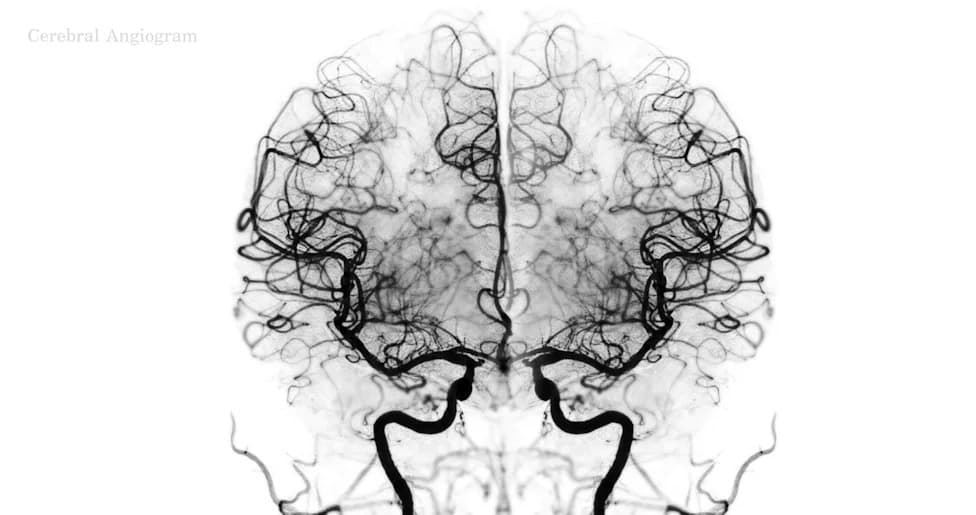
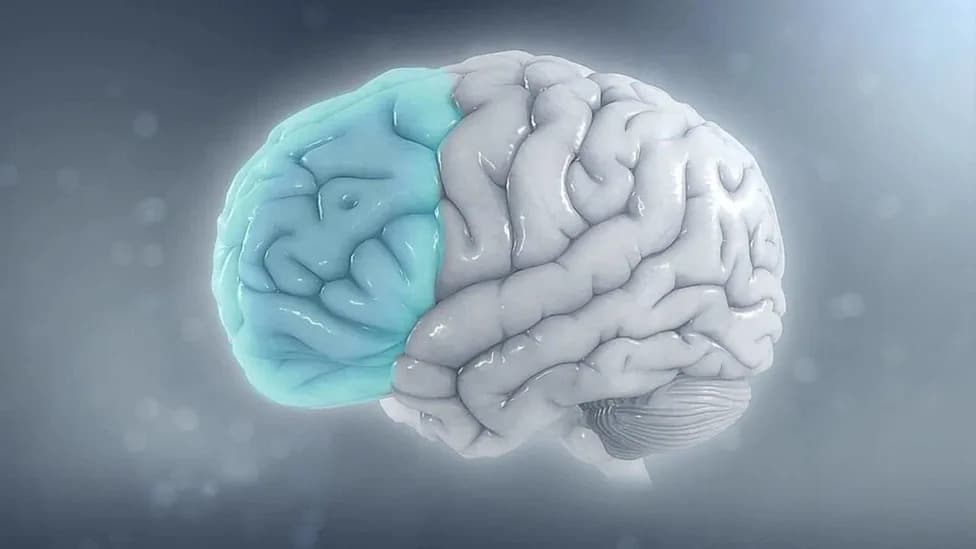
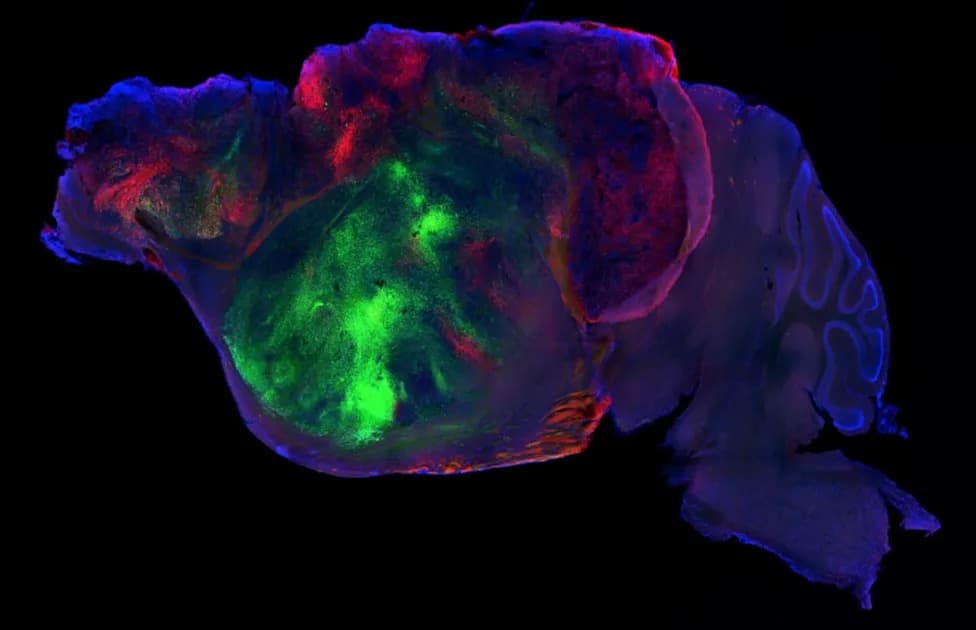
MIT neuroscientists found flexible neuron clusters that can store different kinds of information during a task. (CREDIT: Shutterstock)
MIT researchers report that clusters of neurons in the prefrontal cortex of mice can be reused to hold different types of information in working memory — for example, either a remembered sound or an intended action. The finding supports the idea that flexible behavior arises from composable neural modules rather than wholly separate circuits for every task.
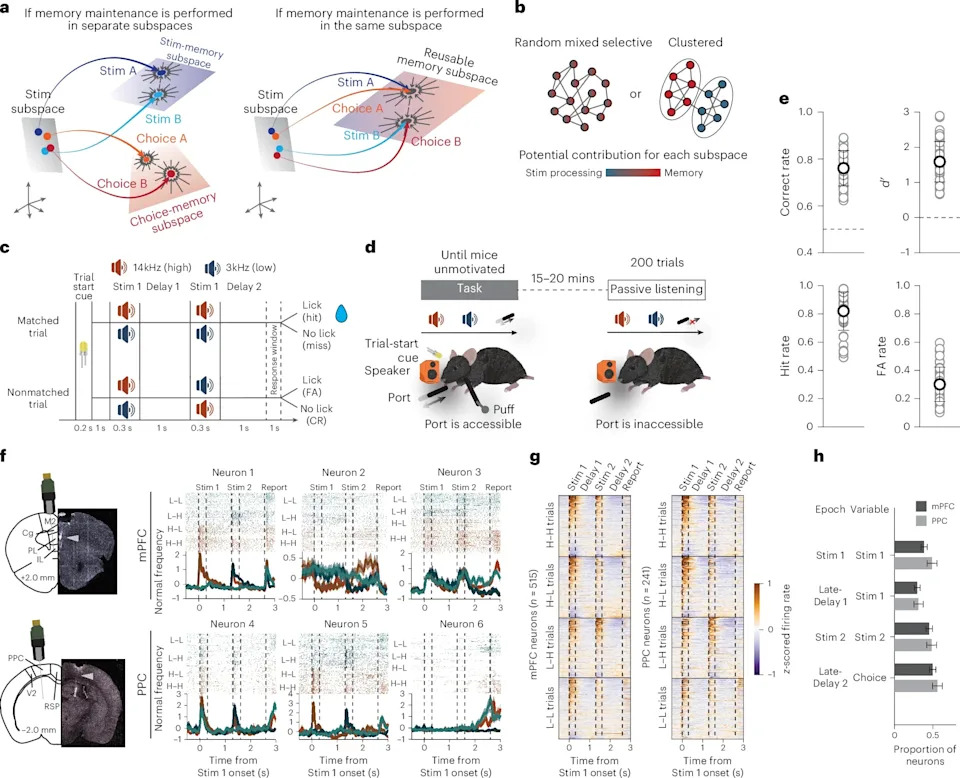
Behavioral performance and neuronal recordings during the DMS-dr task. (CREDIT: Nature Neuroscience)
What the Team Did
Led by postdoctoral researcher Yuma Osako, with senior authors Mriganka Sur (Newton Professor of Neuroscience, MIT Picower Institute for Learning and Memory) and Timothy Buschman (Princeton Neuroscience Institute), the team trained mice on a two-tone comparison task. Each trial presented a first tone (high or low), a delay during which the animal had to keep that tone in working memory, then a second tone and a decision period in which the mouse prepared and executed a response based on whether the tones matched.
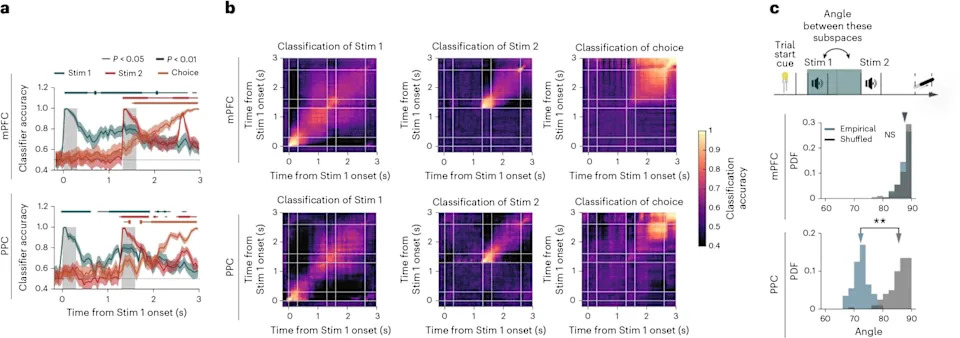
Neural subspaces for stimulus and memory maintenance are orthogonal. (CREDIT: Nature Neuroscience)
Key Findings
While animals performed the task, the researchers recorded electrical activity from thousands of neurons in both prefrontal and parietal cortices and applied computational analyses to identify groups of cells encoding specific task features. The parietal cortex primarily represented the sensory memory of the tone, showing a more specialized profile. In contrast, a distinct cluster within the prefrontal cortex flexibly switched roles: during the first delay it carried the sensory memory of the first tone, and during the later delay the same population represented the planned action.
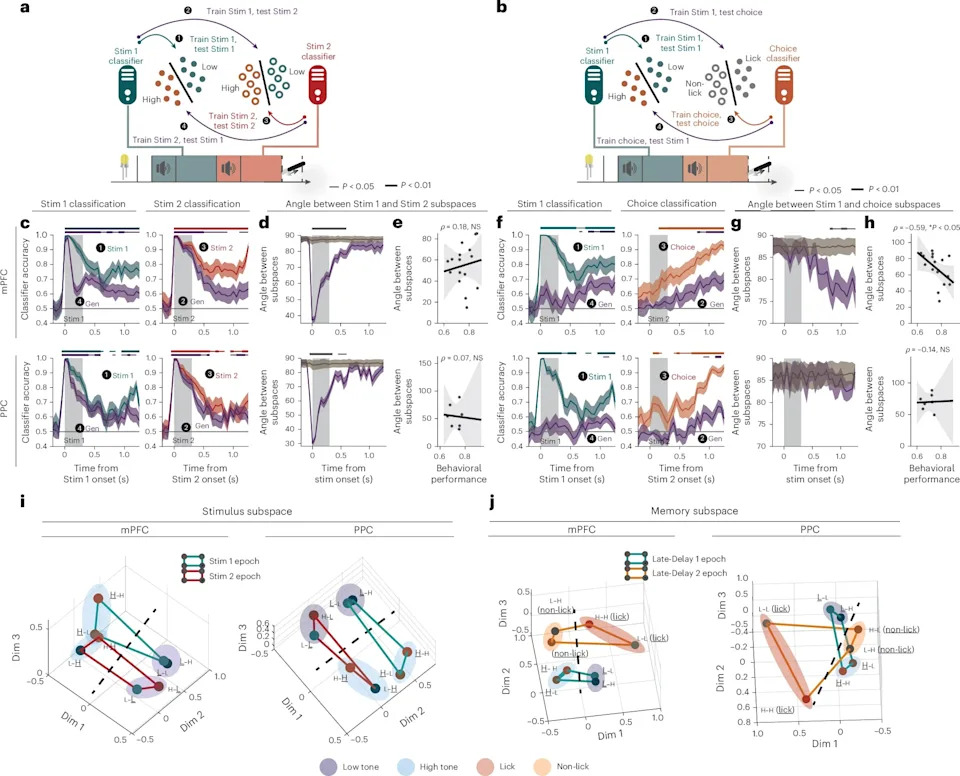
Neural subspaces are shared during the task. (CREDIT: Nature Neuroscience)
"The brain doesn't dedicate a separate group of neurons for every type of information. Instead, it uses the same populations of neurons to perform the same computation on different kinds of information," said Yuma Osako.
Why It Matters
These results provide experimental support for compositionality in neural computation: the idea that the brain composes behavior by reusing computational operations — "building blocks" — rather than building wholly new circuits for every task. Reusable working-memory subspaces could explain how limited neural hardware supports a wide range of flexible behaviors.
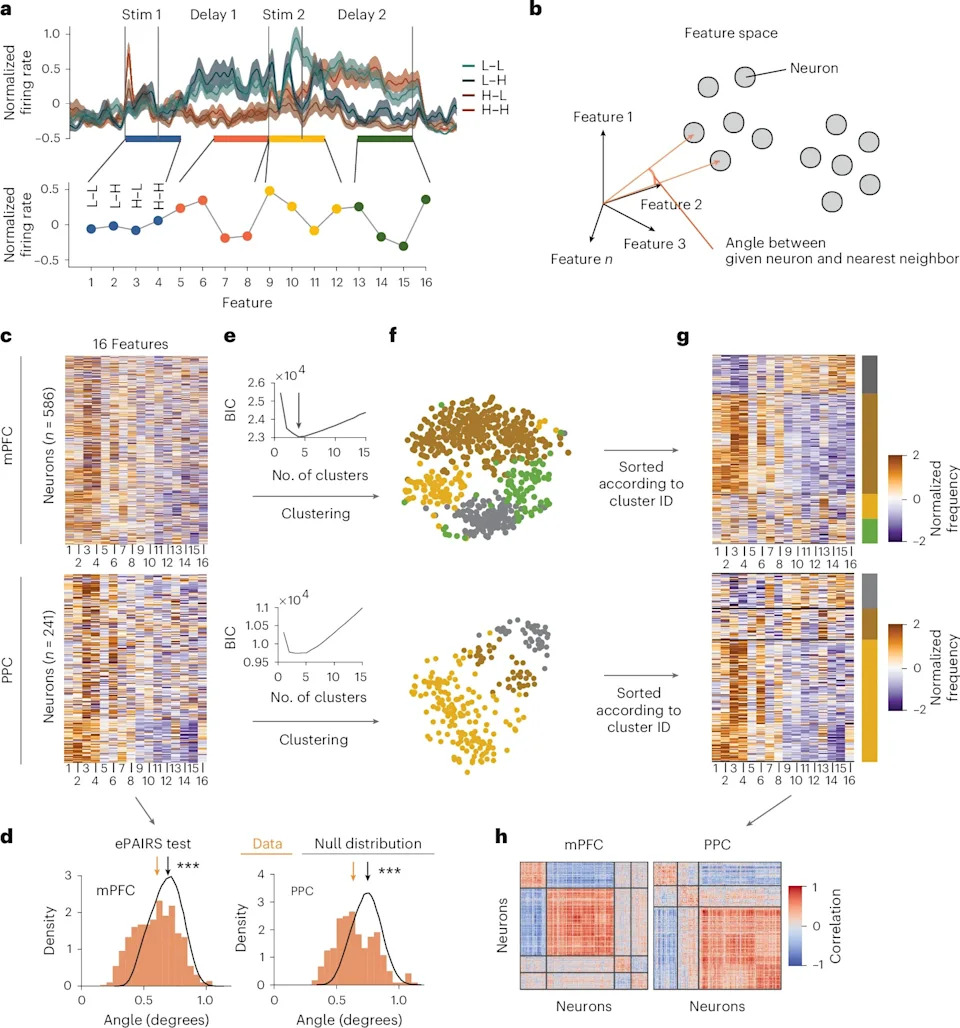
mPFC and PPC neurons form discrete clusters. (CREDIT: Nature Neuroscience)
The authors emphasize that this does not mean the whole brain is a set of interchangeable blocks. Instead, some neural populations can act as flexible, reusable parts within larger, specialized networks. The study was published in the journal Nature Neuroscience.
Context and Limitations
The task used here is simple compared with daily human cognition (comparing two tones), but it captures elemental steps — sense, remember, compare, decide, prepare — that recur across behaviors. The results are in mice, so translating them to human cognition will require additional cross-species and imaging studies.
Related work cited by the authors includes studies on shared neural subspaces for sensory and motor representations, compositional representations in artificial neural networks, and human imaging of working-memory control in frontal and basal-ganglia circuits.
Help us improve.