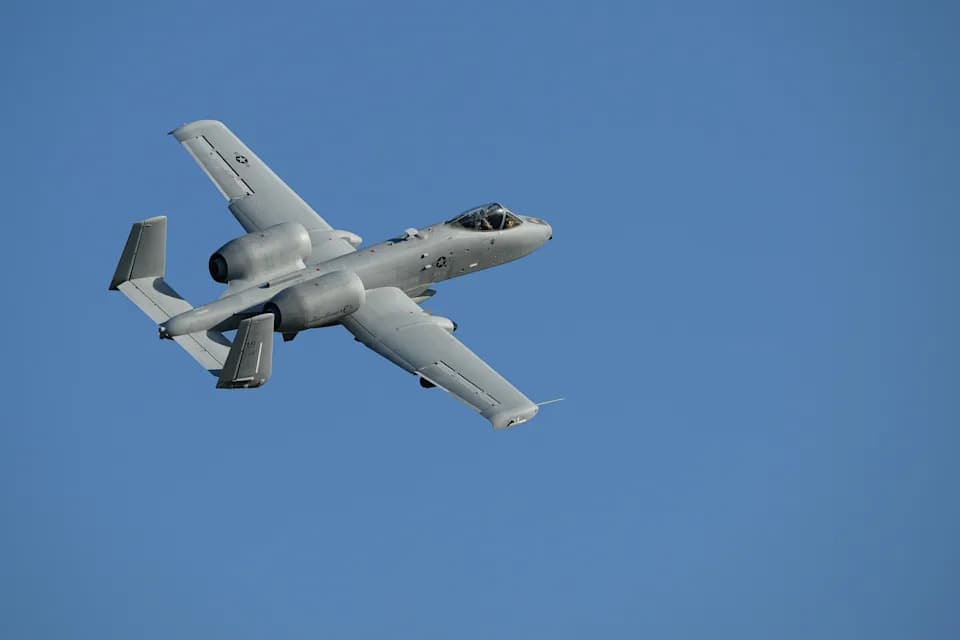
Eleven A-10C Thunderbolt IIs landed at RAF Lakenheath displaying vivid nose art and mission markings tied to Middle East operations. One jet bears Pararescue footprints and an F-15E tail marking; A-10s previously supported a CSAR to recover downed F-15E crew over Iran, during which an A-10 was struck but the pilot survived. The aircraft show mission tallies for SDBs, GBU-12s, APKWS rockets, AGM-65s, MALDs, JDAM-style marks and GAU-8 gun stencils. A recent House Armed Services Committee NDAA amendment also directs continued A-10 support through the platform’s planned retirement.
11 A-10 Warthogs Touch Down at RAF Lakenheath Displaying Nose Art and Mission Marks From Operation Epic Fury
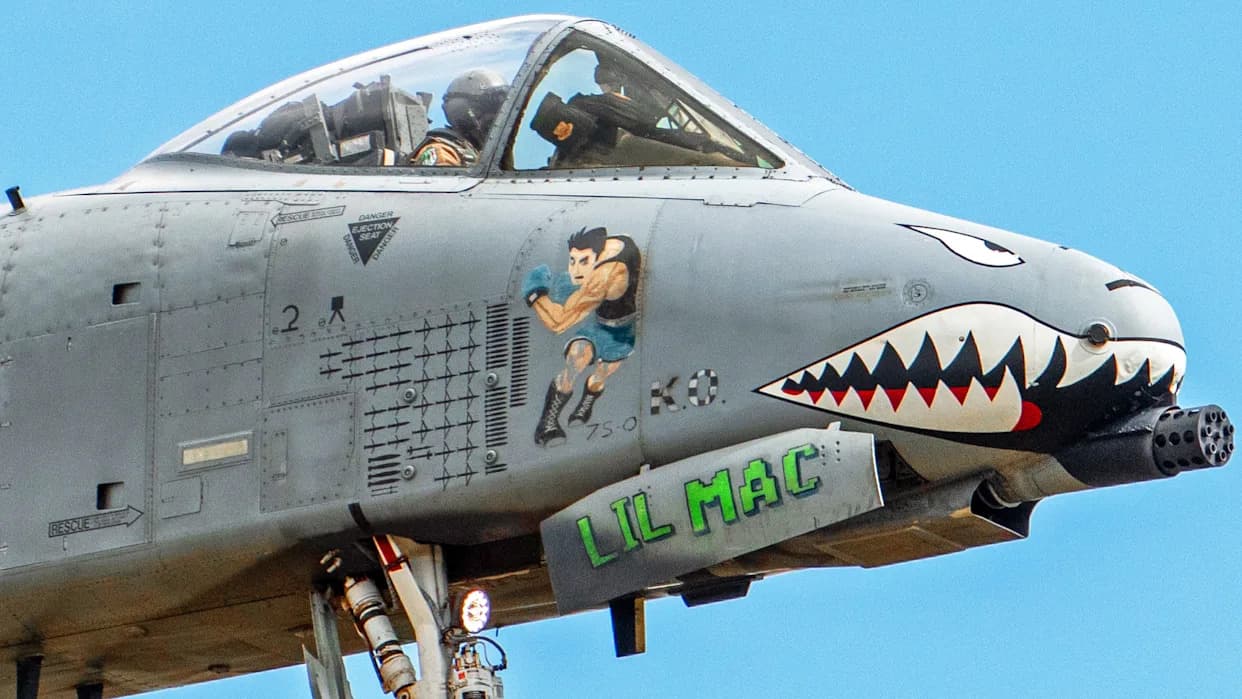
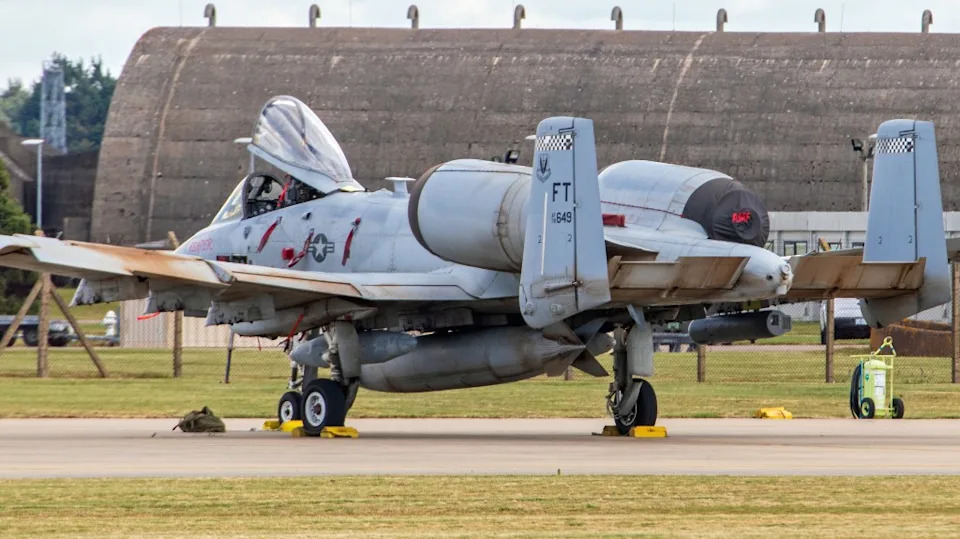
A-10C Thunderbolt II close-support jets with kill marking were seen at RAF Lakenheath.
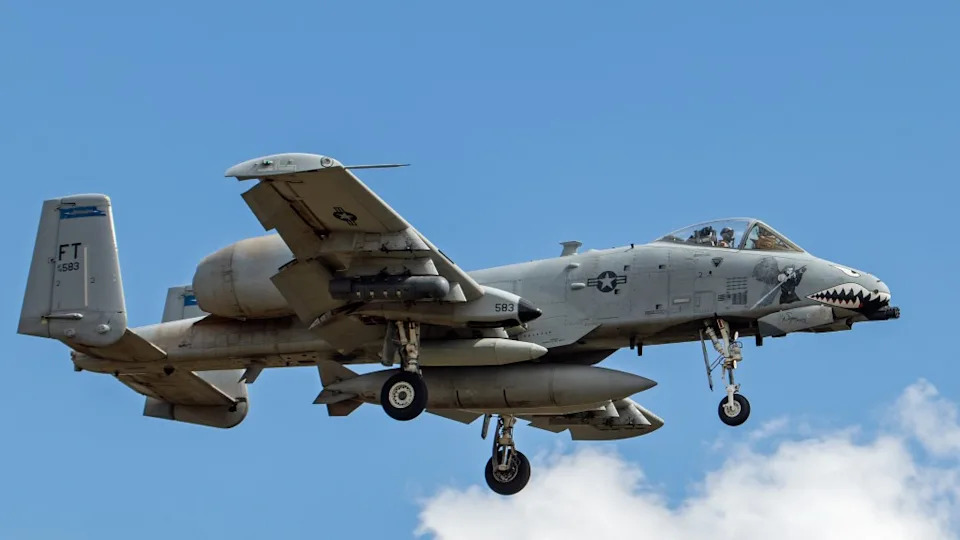
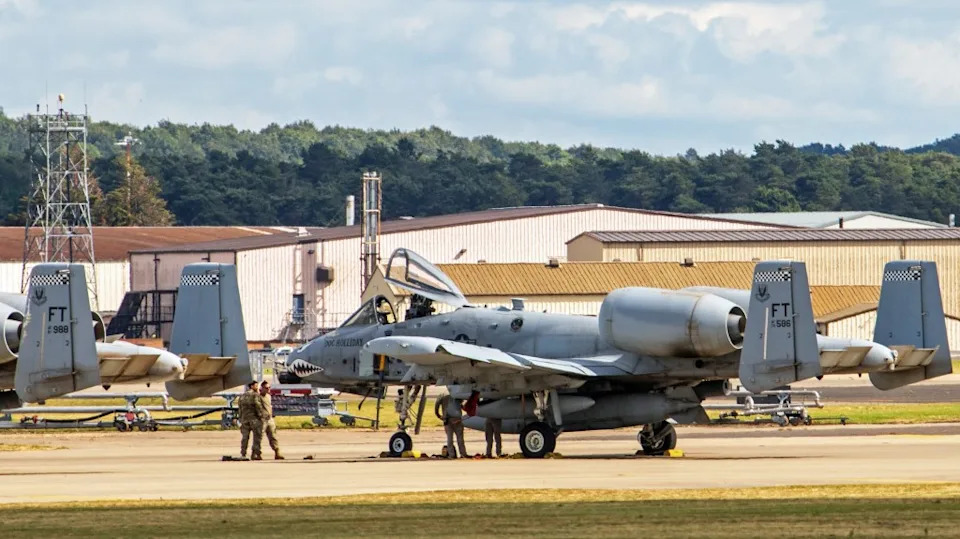
Eleven A-10C Thunderbolt II close-air-support jets arrived at RAF Lakenheath in the U.K. on Friday afternoon, each bearing colorful nose art and mission markings tied to recent Middle East operations. Aviation photographer Andrew McKelvey reported the arrival at about 3 p.m. local time and provided the images that highlight the aircraft’s distinctive paint and mission tallies.
Arrival, Unit And Route
Social posts from the Coronet East X account identify the jets as belonging to the 75th Fighter Squadron. The aircraft routed to the U.K. via Aviano Air Base in Italy after deploying from Muwaffaq Salti Air Base in Jordan.
Notable Markings And Possible Combat Links
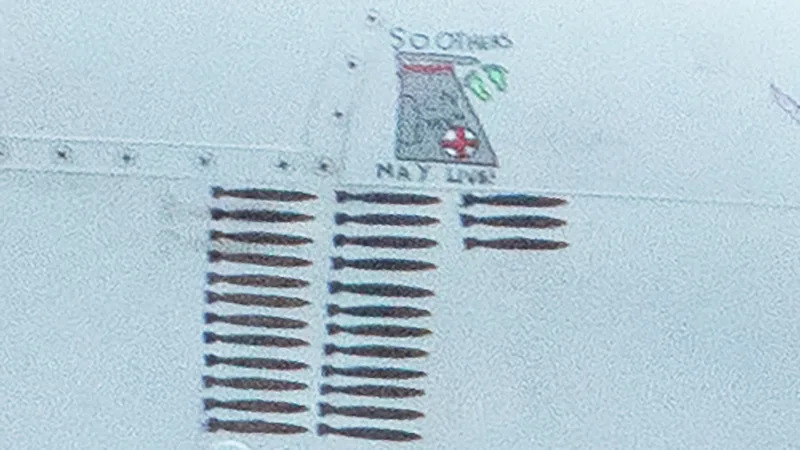
One particularly striking A-10 bears an F-15E tail marking coupled with the green footprints associated with U.S. Air Force Pararescue Jumpers (PJs) and their motto, “So others may live.” Previously reported accounts state that A-10s supported a daring combat search-and-rescue (CSAR) package to recover two F-15E crewmembers after a Strike Eagle was shot down over Iran; during that mission A-10s flew low-altitude "Sandy" escort roles. One A-10 in that operation was reportedly struck by Iranian fire and crashed; its pilot survived. Given those facts, the jet with PJ markings may have participated in that CSAR or another related mission. The 75th Wing was contacted for comment.
Nose Art: Tradition And Pop Culture
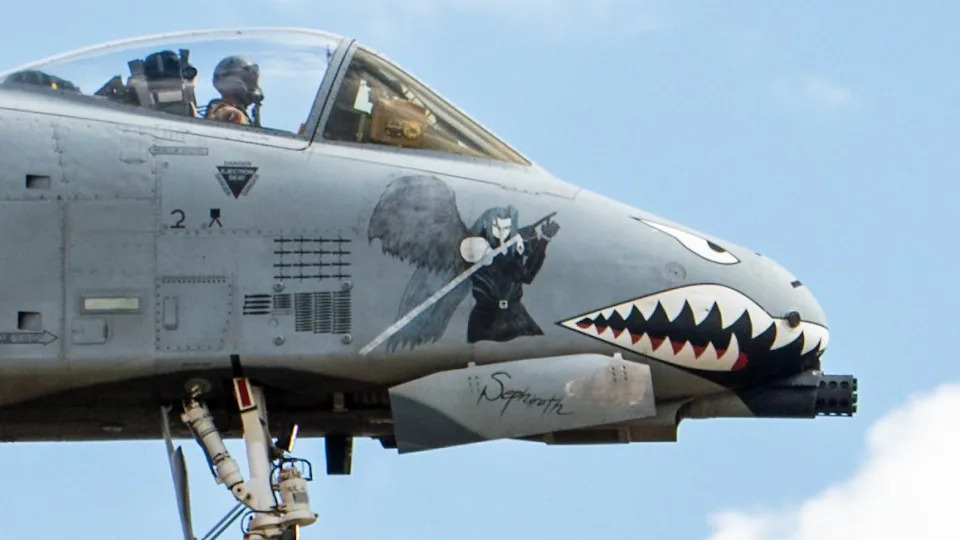
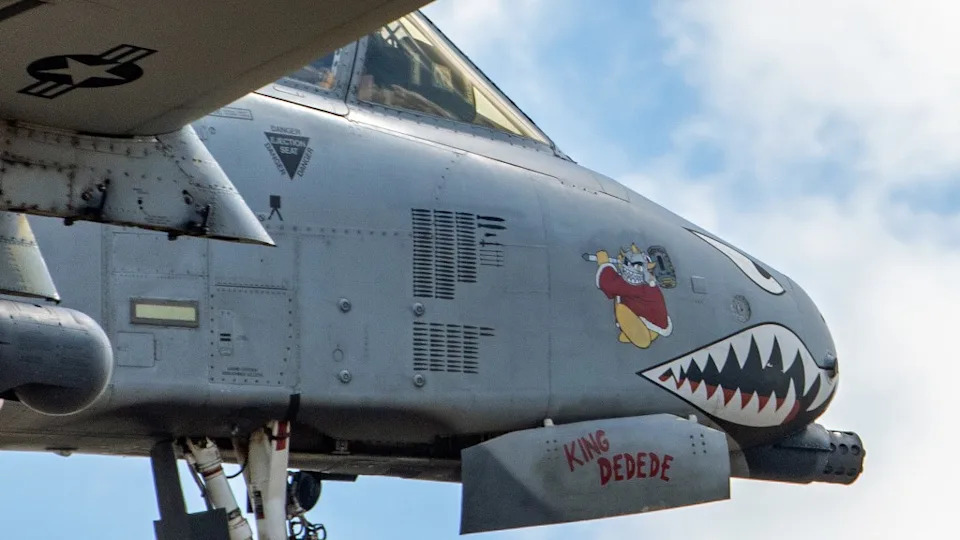
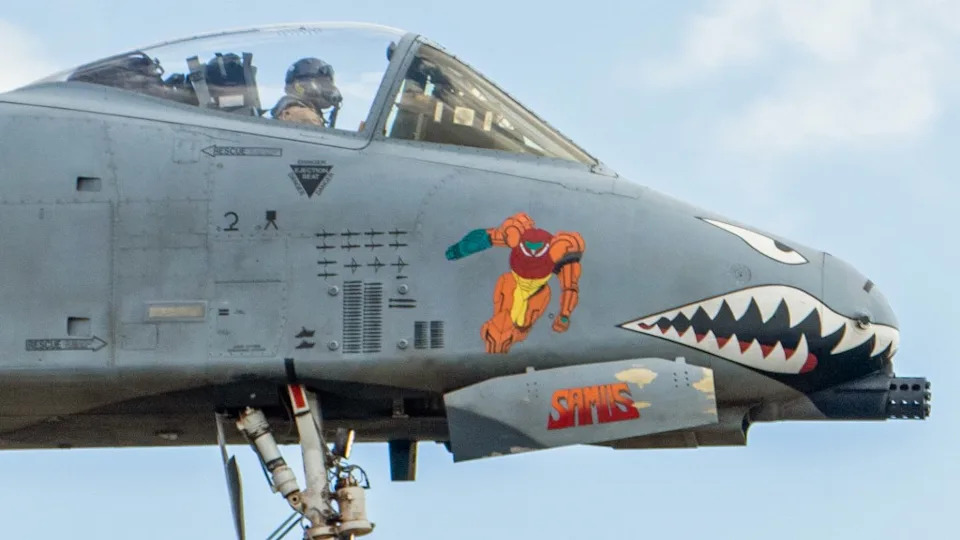
Following a long tradition of personalizing military aircraft, several Warthogs display bold nose art. The decorations include homages to Nintendo characters (Ridley, Diddy Kong, King Dedede, Samus Aran, Star Fox and Little Mac) alongside non–video-game motifs such as Macho Man, Doc Holliday and the Reaper. The practice has become more visible during deployments to Muwaffaq Salti and has reappeared after years in which the U.S. Air Force limited such markings.
Mission Marks And What They Represent
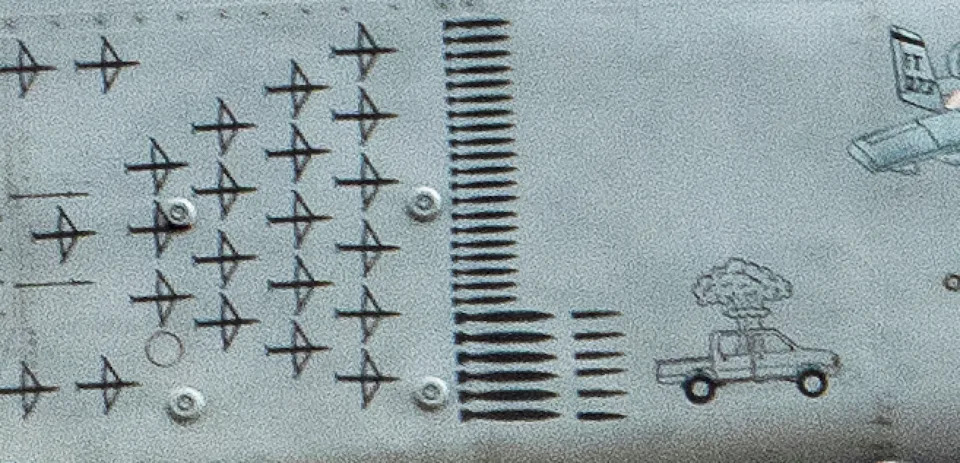
The stenciled mission marks catalogue the mix of munitions and outcomes attributed to recent strikes on Iranian targets. Markings observed include Small Diameter Bombs (SDBs), GBU-12 Paveways, APKWS laser-guided rockets, AGM-65 Maverick air-to-surface missiles, Miniature Air-Launched Decoys (MALDs) and generic bomb stencils likely denoting Joint Direct Attack Munitions (JDAMs). The A-10’s iconic GAU-8 cannon is also depicted. Target-type "kill" symbols include a pair of boats and a truck whose marking includes a large secondary-explosion mushroom cloud.
Operational Context: Operation Epic Fury
As previously reported, A-10s were pressed into service during Operation Epic Fury to engage Iranian naval elements, strike Iranian-backed proxy forces in Iraq and Syria, and participate in CSAR and escort tasks. The arrival at RAF Lakenheath underscores the platform’s continuing use in low-altitude, close-support missions despite ongoing debates about its long-term future.
Policy And Future Support
The deployments and visible mission marks come amid a continuing debate between the U.S. Air Force and Congress over the A-10’s survivability in high-end conflict and its retirement timeline. An amendment added to the House Armed Services Committee’s version of the National Defense Authorization Act directed the Secretary of the Air Force to continue supporting A-10 training, testing, experimentation, maintenance and sustainment through the jet’s planned retirement date and to preserve operational lessons learned to inform future replacement systems.
Contact: [email protected]
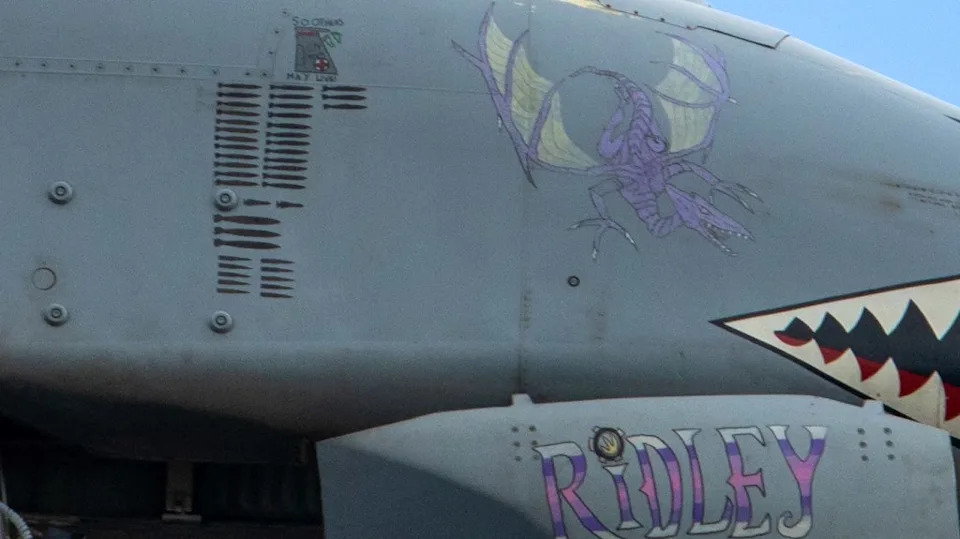
You can see the F-15E tail mark on this A-10. Andrew McKelvey
Andrew McKelvey
Andrew McKelvey
Andrew McKelvey
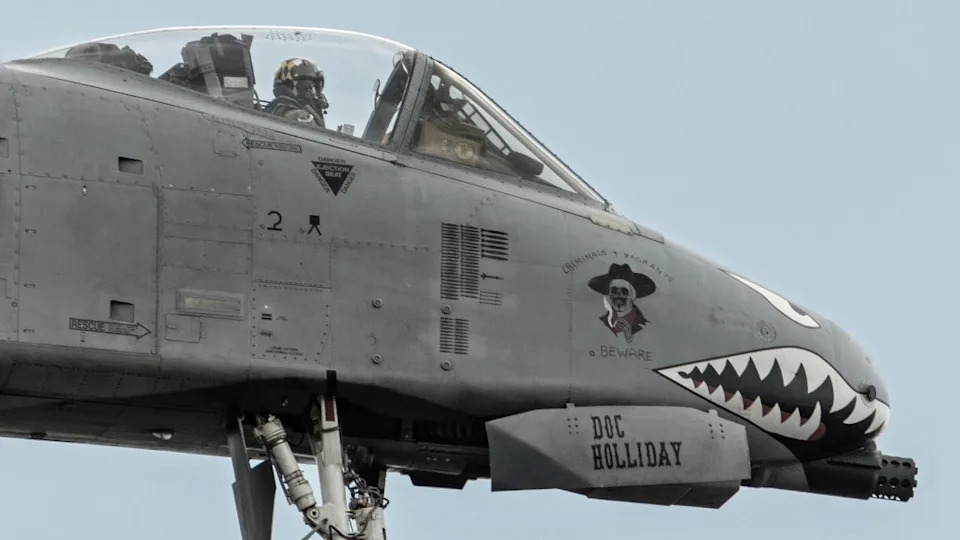
Andrew McKelvey
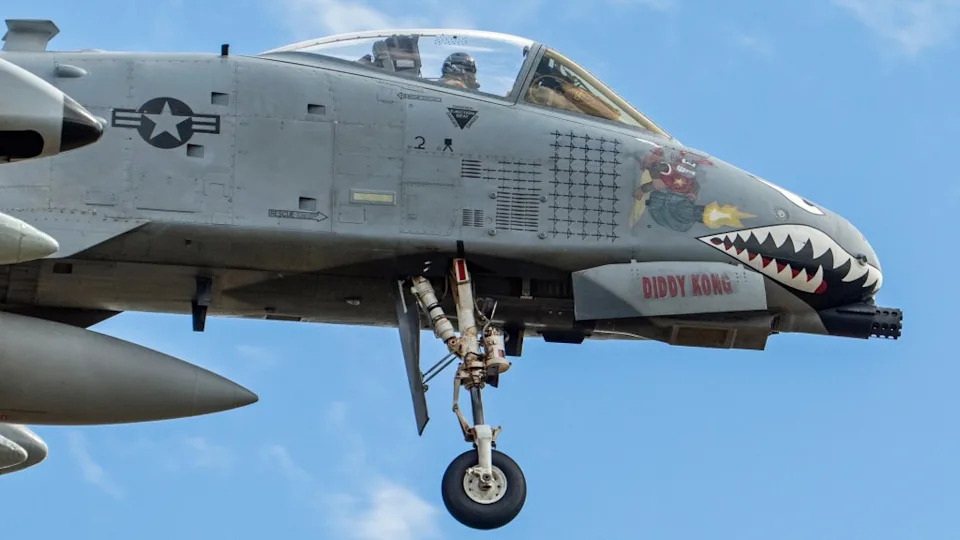
Andrew McKelvey
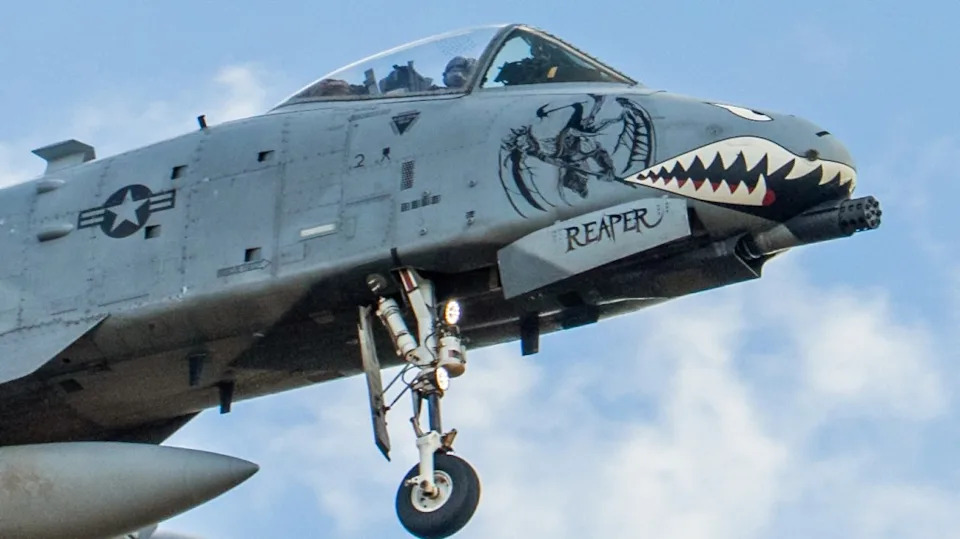
Andrew McKelvey
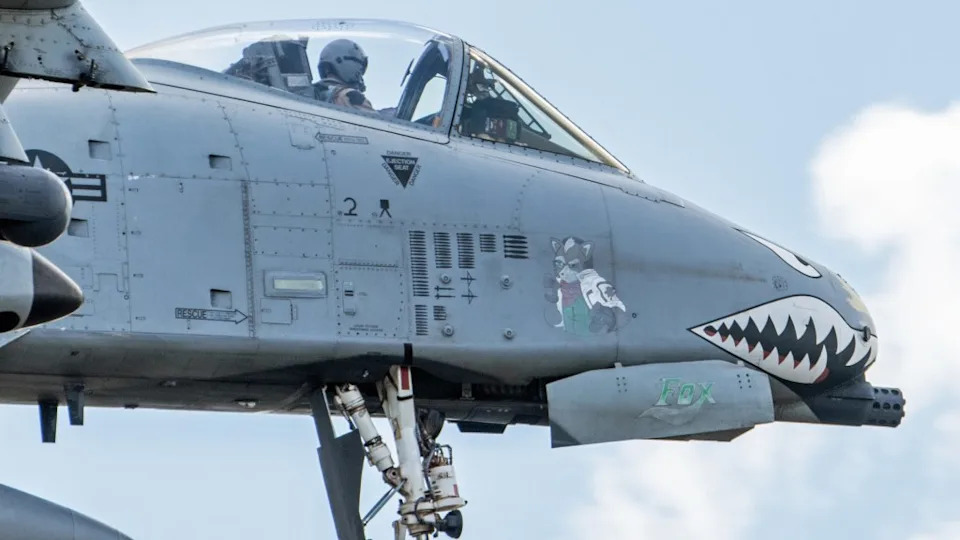
Andrew McKelvey
Andrew McKelvey
Andrew McKelvey
Screenshot
Andrew McKelvey
Andrew McKelvey
Help us improve.