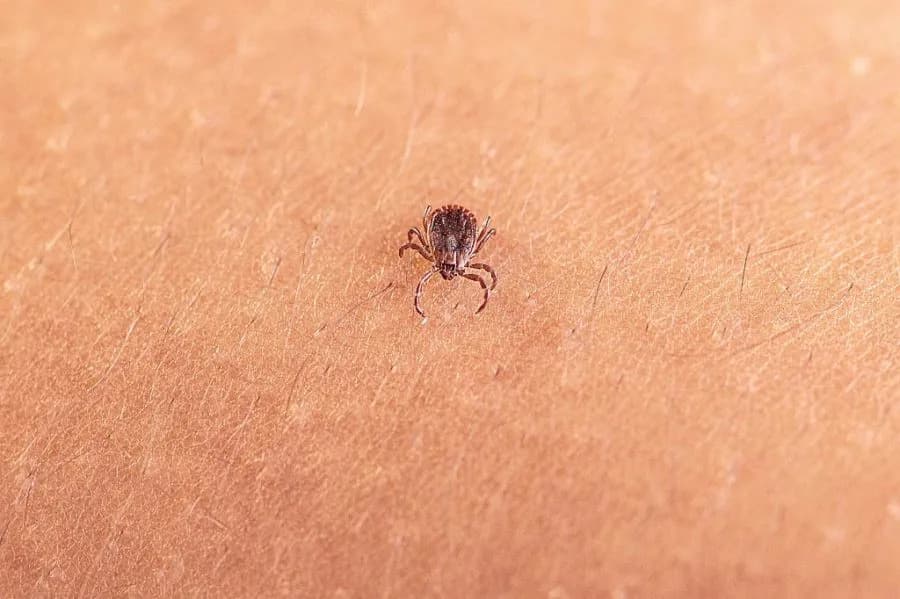
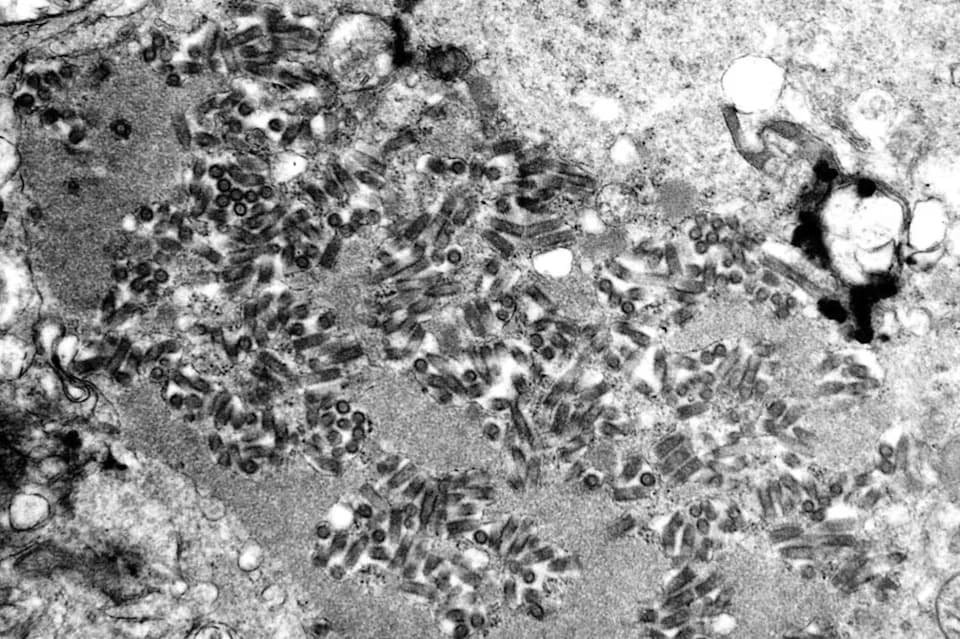
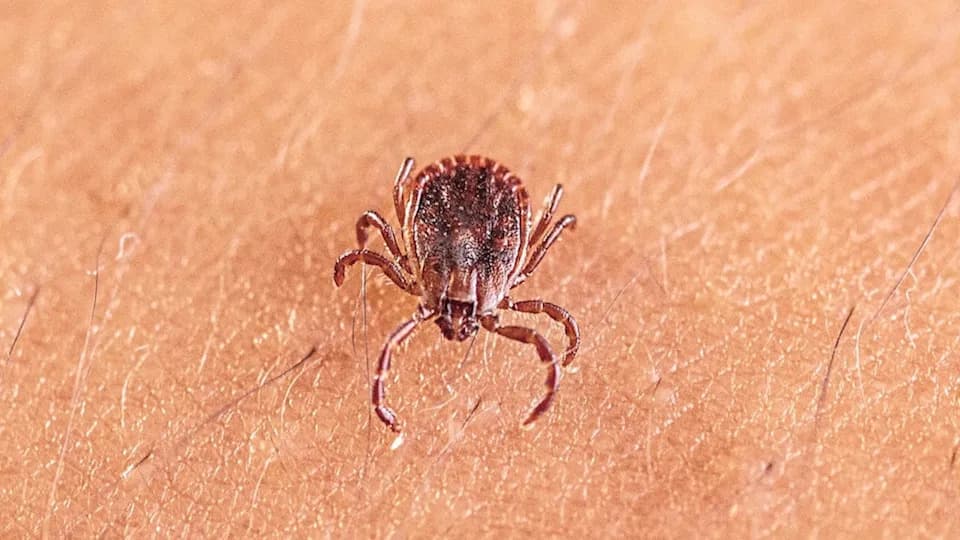
The California Department of Public Health confirmed a fourth human infection with the emerging tick-borne bacterium Rickettsia lanei, first identified in 2018. The infection can cause severe symptoms similar to Rocky Mountain spotted fever, including fever, skin lesions and neurologic complications, though its true lethality remains uncertain. Young rabbit ticks (Haemaphysalis leporispalustris) along Northern California coastal counties are suspected carriers, and officials have released limited location and patient details as investigations continue.
California Confirms Fourth Human Case of Emerging Tick-Borne Bacterium Rickettsia lanei
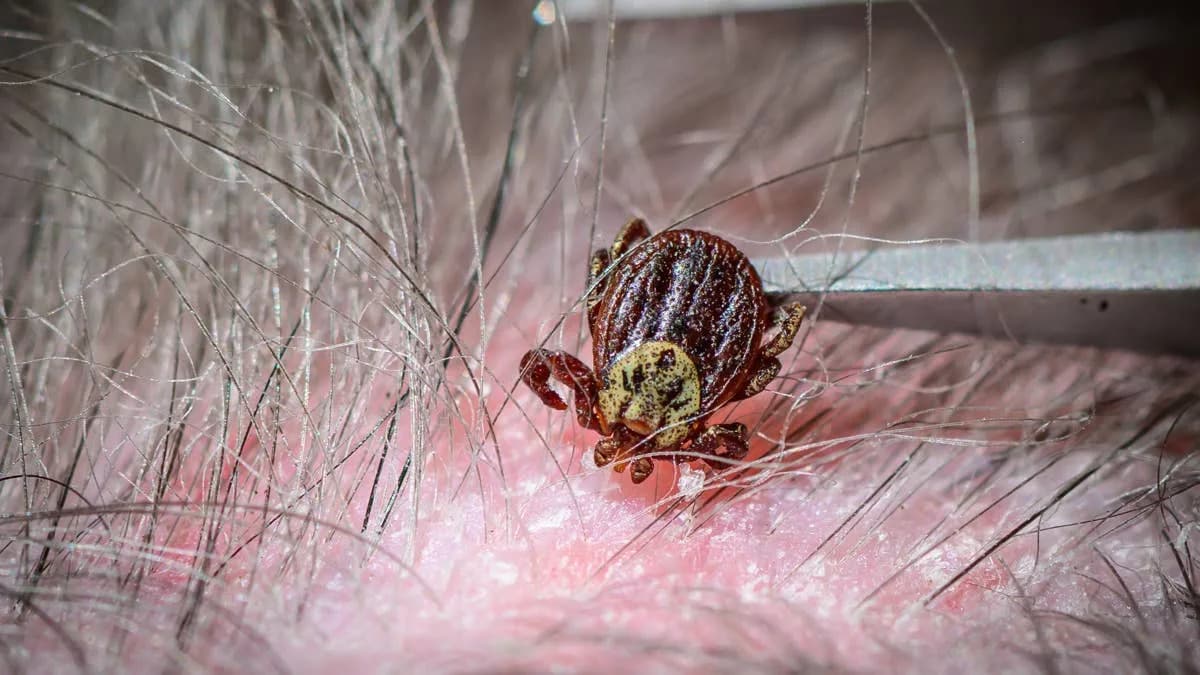
The California Department of Public Health has confirmed a fourth laboratory-verified human infection with the emerging tick-borne bacterium Rickettsia lanei. Health officials say the case is the latest in a small but growing number of infections first linked to the bacterium in 2018.
What We Know
Discovery and human infections: Scientists first detected Rickettsia lanei in 2018 during ecological surveys of ticks in Sonoma County. The first human infection was reported in 2023, proving the species can infect people and prompting clinical and laboratory follow-up.
Symptoms and severity: Reported cases have included severe illness—high fever, distinctive skin lesions, coma, acute kidney injury and brain inflammation. Clinically, the infection resembles Rocky Mountain spotted fever (RMSF), a related disease with an estimated 5–10% fatality rate in some series. Because Rickettsia lanei is newly recognized, its true lethality and long-term outcomes are not yet well established.
Geography and vectors: Entomologists report that young, host-seeking rabbit ticks (Haemaphysalis leporispalustris) along California’s coastal counties appear to carry the bacterium. Publicly available surveillance has detected infected ticks mainly in Northern California coastal counties such as Sonoma and Contra Costa, areas with grassy, open habitats where rabbit ticks thrive.
Case reporting and privacy: Three of the four confirmed human infections have been reported in California. Officials have not released precise location data or patient demographics for all cases; the latest infection was confirmed to SF Gate but additional details were withheld by public health authorities.
Clinical and Public Health Notes
Two of the earliest documented patients fell into a coma and spent several weeks hospitalized before recovering; both cases were included in a scientific study of the infection's clinical course. Health agencies and researchers continue to investigate how commonly the bacterium causes severe disease and how best to diagnose and treat it.
Precautionary advice: While investigations continue, the usual tick-bite prevention measures remain prudent in areas where rabbit ticks are present: use EPA-registered repellents, wear long clothing and boots when walking in grassy or brushy areas, perform thorough tick checks after outdoor activities, and seek prompt medical attention for fever or a rash following a tick exposure.
This story was first published in Men's Journal's Health section on Jun 12, 2026.
Help us improve.