Cuban President Miguel Díaz-Canel unveiled a set of economic steps to broaden private-sector activity, speed approvals for new businesses and open additional sectors to non-state management. Private firms — legalized in 2021 and allowed to hire up to 100 people — can now import fuel and will be permitted to invest on equal terms with foreign investors. The government also plans to remove state intermediaries in trade and overhaul the bureaucracy, including cuts to ministries and public-sector jobs pending parliamentary approval in July. Officials say the measures respond to tightened US restrictions and aim to decentralize and strengthen the economy.
Cuba Opens More Sectors To Private Business As Díaz-Canel Announces Broad Economic Reforms
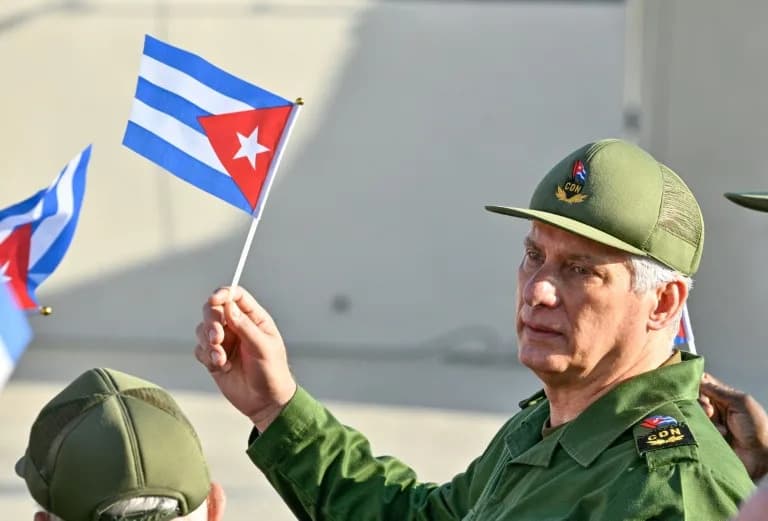
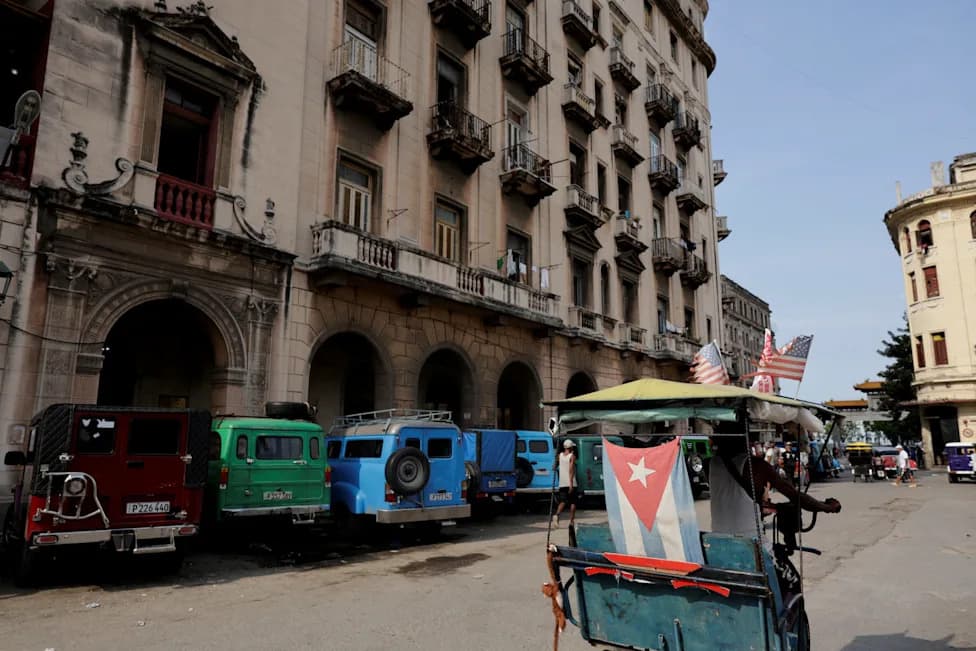
Cuba's President Miguel Diaz-Canel says the country will open more sectors to private businesses as it seeks to liberalize its communist-run economy (ADALBERTO ROQUE)(ADALBERTO ROQUE/AFP/AFP)
Cuban President Miguel Díaz-Canel on Friday announced a package of measures to expand freedoms for small and private enterprises across the island, part of a broader effort to liberalize the economy amid mounting US pressure and recent fuel restrictions.
In a nationally televised address, Díaz-Canel said authorities will open additional economic sectors to private operators and simplify the approval process for new ventures. "For non-state forms of management, the list of prohibited activities will be limited so that their scope of operations is as broad as possible," he said. "A process is underway... to approve all pending applications in the shortest time possible."
The announcement follows tightened US restrictions on fuel shipments announced in January and a wider suite of sanctions that Havana says have worsened long-standing economic, social and energy challenges on the island.
Private enterprises, legalized in 2021 and allowed to hire up to 100 people, have grown into an increasingly important part of Cuba's economy. Since February, private firms have been permitted to import fuel — a sector previously monopolized by the state — and the new measures would let private companies invest on equal terms with foreign investors.
Díaz-Canel said officials are also considering eliminating state intermediaries in import and export operations to reduce bureaucracy and speed trade. He reiterated a commitment to decentralize decision-making and grant greater autonomy to state-owned enterprises, which still account for roughly 80 percent of economic activity.
The president outlined plans to overhaul the state bureaucracy by cutting the number of ministries and trimming the public-sector workforce; those changes require parliamentary approval in July. "The country is not paralyzed; the country is facing this situation intelligently," he said, criticizing what he called Washington's "maximum pressure" policy.
Analysts note the reforms aim to ease immediate shortages, attract investment and encourage private-sector growth, but success will depend on swift legislative approval and whether entrepreneurs and foreign investors regain confidence amid ongoing US sanctions.
Help us improve.