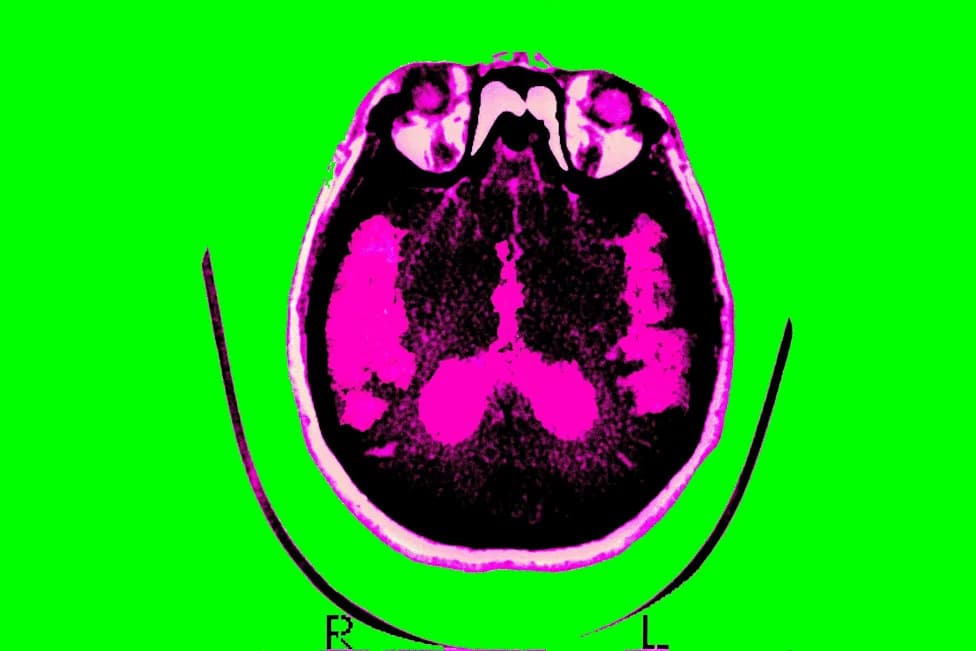
Researchers at ETH Zurich have identified an inactive, aggregation-prone form of the enzyme GRK2 that accumulates around mitochondria and appears to drive Alzheimer’s-related pathology. In mouse models and human brain samples the dysfunctional GRK2 was abundant, promoted amyloid-beta production, and impaired mitochondrial function. The team developed Compound 10, which prevented GRK2 aggregation, improved mitochondrial performance, reduced amyloid-beta buildup, and slowed dementia progression in mice. Further validation in larger human cohorts and clinical development are needed before this approach can be tested in people.
Researchers Identify GRK2 as a New Alzheimer’s Trigger — Compound 10 Slows Dementia in Mice

(Eoneren/E+/Getty Images)
Dementia remains stubbornly resistant to treatment and continues to devastate millions of lives worldwide. New research from ETH Zurich has identified a previously overlooked molecular trigger — a dysfunctional form of the enzyme G protein-coupled receptor kinase 2 (GRK2) — and used that insight to slow disease progression in mouse models.
The Discovery
GRK2 normally helps cells respond to stress and maintain healthy function. The team found a modified, inactive variant of GRK2 that accumulates around mitochondria, the cell's energy-producing organelles. Because mitochondrial dysfunction has been linked to Alzheimer’s disease, the researchers investigated whether this inactive GRK2 might play a role in dementia.
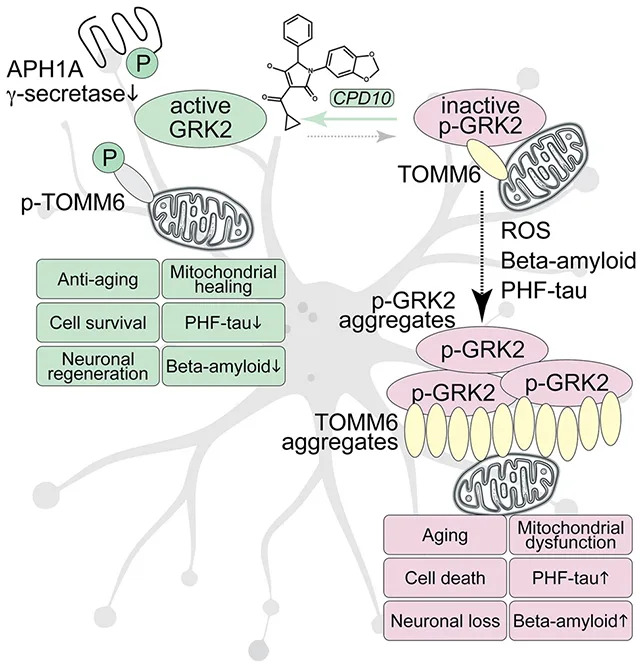
The researchers analyzed the roles of active and inactive GRK2 in cells. (Alla et al.,Cell Rep. Med., 2026)
Evidence From Mice and Human Tissue
Examining both mouse models of Alzheimer’s and multiple human brain samples, the researchers observed large amounts of the inactive GRK2 form in affected brain cells. In mice, the dysfunctional enzyme promoted production of amyloid-beta, the protein closely associated with Alzheimer’s pathology. The inactive GRK2 also aggregated into clumps that attach to mitochondria and impair their function.
"The GRK2 aggregates block the pores of the mitochondria, reducing the amount of energy they can supply and leading to a situation of stress inside the cells," says molecular pharmacologist Ursula Quitterer from ETH Zurich.
A Damaging Feedback Loop
The team proposes a harmful cycle: cellular stress increases production of the inactive GRK2, which further damages mitochondria and promotes more amyloid-beta production. As with many aspects of Alzheimer’s research, distinguishing cause from consequence remains challenging, but the evidence suggests inactive GRK2 contributes to disease progression.

Subscribe to ScienceAlert's free fact-checked newsletter
Compound 10: A Promising Intervention in Mice
Using this insight, researchers developed a small-molecule inhibitor called Compound 10. In laboratory tests on mouse models and human cells, Compound 10 prevented abnormal GRK2 from aggregating. Treated animals showed improved mitochondrial function, reduced amyloid-beta accumulation, and slower cognitive decline. The compound also produced signals of anti-aging effects in other tissues of the animals.
What Comes Next?
Although results in mice and cell models are encouraging, substantial work remains before translating this approach into human treatments. Key next steps include validating GRK2’s role across larger collections of human brain samples, optimizing Compound 10 for safety and efficacy, and progressing through preclinical and clinical testing.
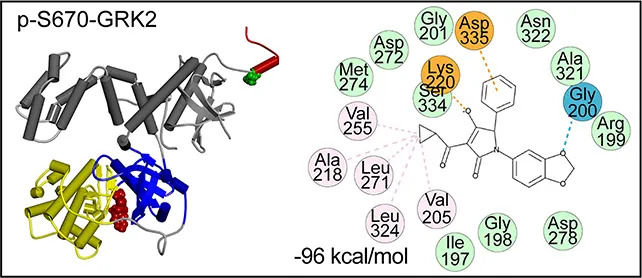
The researchers were able to stop inactive GRK2 (left) from clumping with Compound 10 (right). (Alla et al.,Cell Rep. Med., 2026)
"Alzheimer's is a very complex disease," says Quitterer. "That's why it's important that we have now identified a new target protein in the form of GRK2 and an active ingredient that operates via GRK2 and therefore via a different mechanism than existing Alzheimer's drugs."
The study has been published in Cell Reports Medicine.
Help us improve.