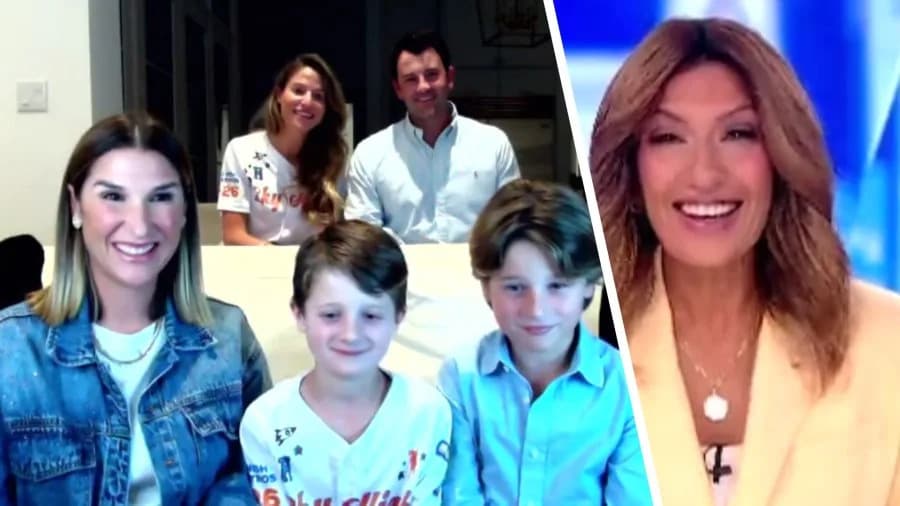
Seven-year-old Stephen De La Torre, diagnosed with a papillary tumor of the pineal region, underwent surgery on March 9 and began targeted proton radiation on June 4 at Stanford’s new compact Sridhar B. Seshadri Proton Therapy Suite. Proton therapy concentrates radiation on the tumor while limiting dose to nearby healthy brain tissue—an important benefit given the tumor’s proximity to the brain stem. The compact system reduces the need to travel long distances for proton treatment and may lower long-term side effects for children. Stephen is expected to complete a short course of treatments and return home to recover.
7-Year-Old Is First Patient Treated in Stanford’s New Compact Proton Therapy Suite
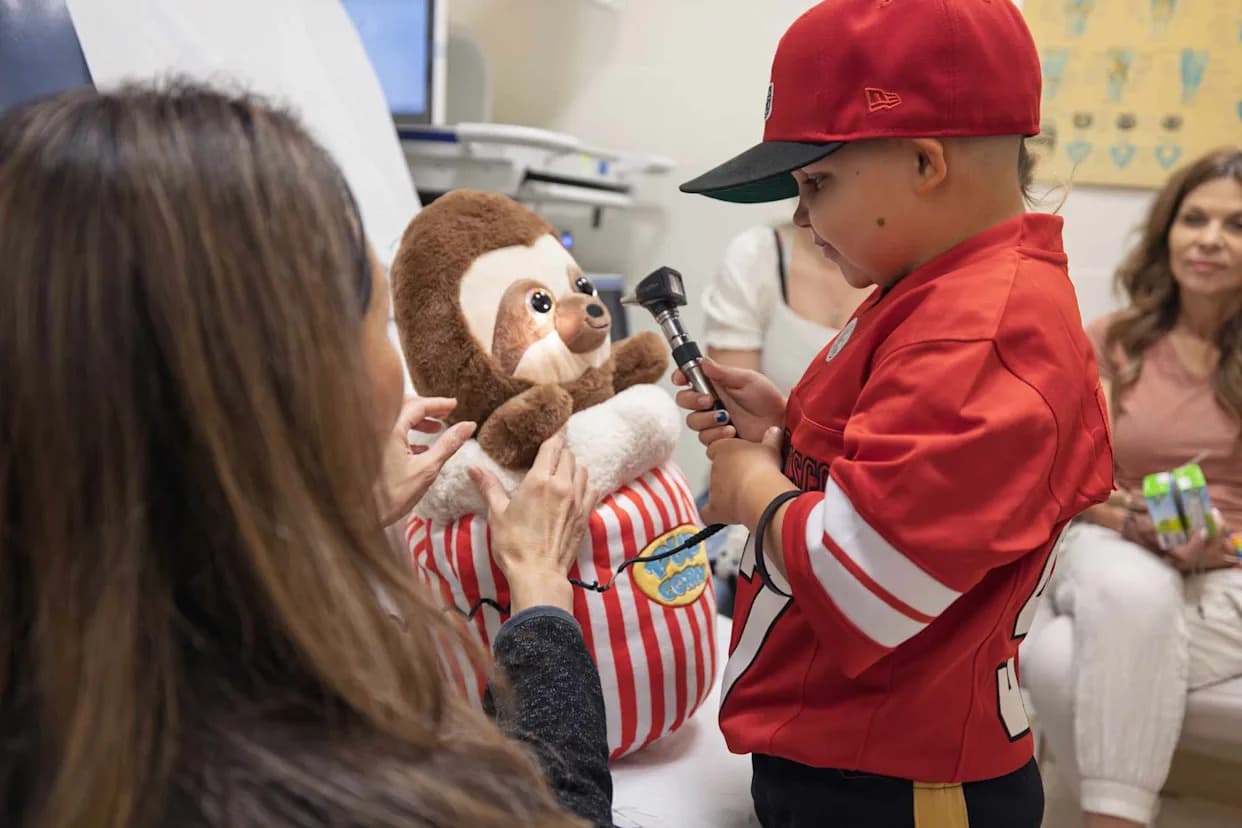
Stephen De La Torre, 7, is the first patient to receive proton therapy at Stanford Medicine's new suiteCredit: Kurt Hickman/Stanford Medicine
Seven-year-old Stephen De La Torre, diagnosed with a rare papillary tumor of the pineal region, became the inaugural patient to receive proton therapy at Stanford Medicine’s new compact proton treatment suite. The targeted treatment concentrates radiation on the tumor while sparing surrounding healthy brain tissue—a crucial advantage given the tumor’s proximity to his brain stem.

Tricia and Stephen De La TorreCredit: Kurt Hickman/Stanford Medicine
Diagnosis and Surgery
Stephen first experienced persistent headaches, vision problems, nausea and lethargy. Doctors discovered a tumor roughly the size of an AA battery that was blocking cerebrospinal fluid and causing swelling. Surgeons at Lucile Packard Children’s Hospital Stanford performed surgery on March 9 to remove as much of the tumor as could be safely excised. Because some tumor tissue remained in a location too close to critical structures, his care team recommended radiation.
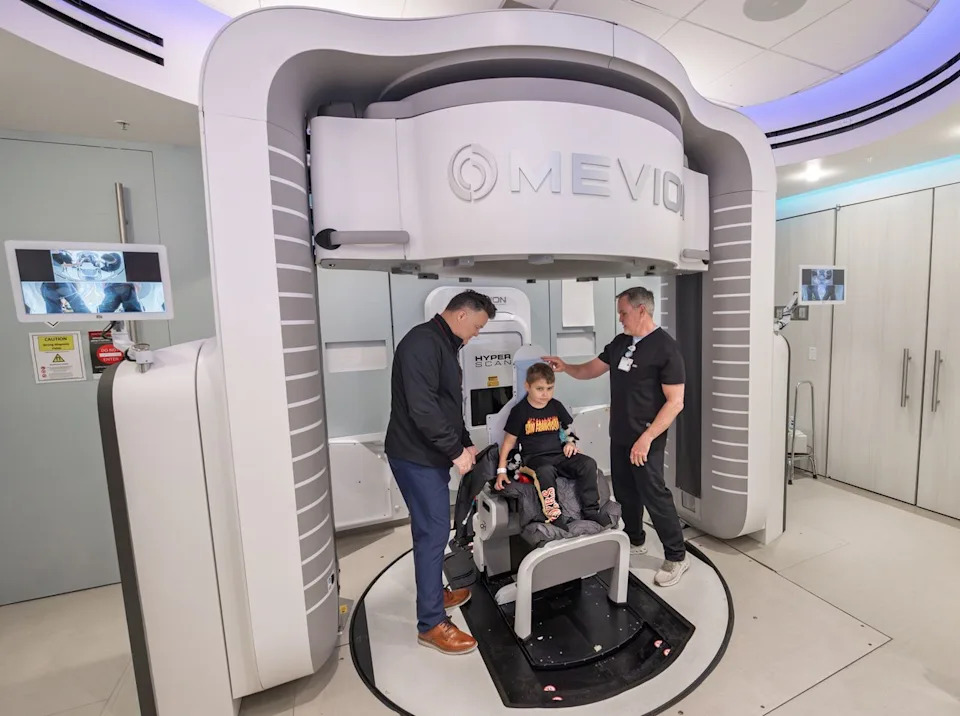
Stephen in the world's smallest proton therapy machineCredit: Kurt Hickman/Stanford Medicine
Why Proton Therapy?
Proton radiation offers a more precise way to deliver dose to a tumor while reducing exposure to nearby normal tissues such as the brain stem. "The key is being able to eliminate cancer without causing unacceptable collateral damage," said Dr. Bill Loo, Professor of Radiation Oncology. "With protons, we can deposit the dose of radiation in a more controlled way." For children, minimizing radiation to healthy brain tissue can reduce the risk of long-term cognitive and developmental side effects.
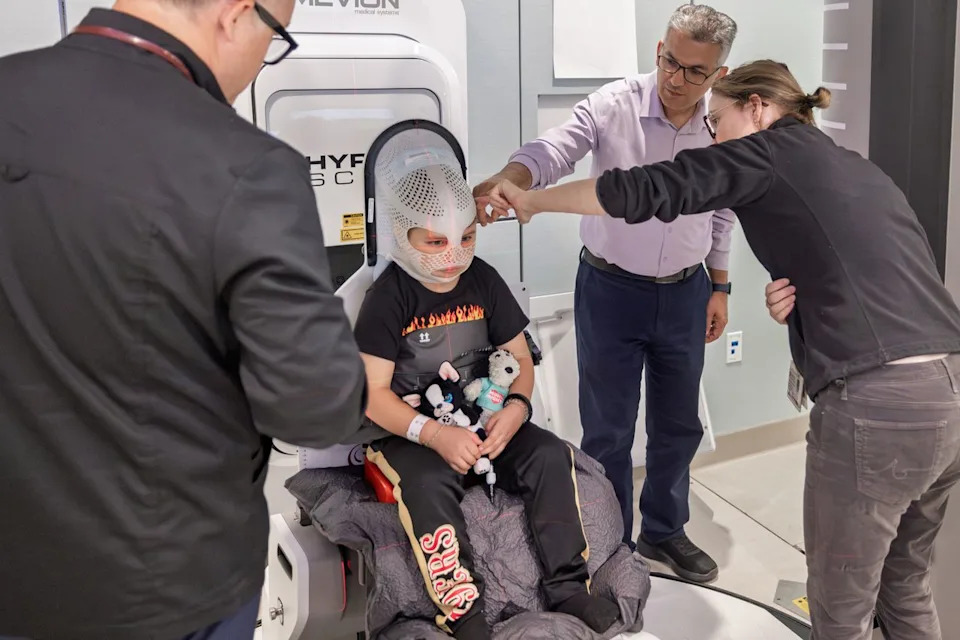
Stephen wears a mask to help him stay still during treatmentCredit: Kurt Hickman/Stanford Medicine
The New Compact Suite
Traditional proton therapy facilities are large and costly, often requiring space comparable to a football field; previously the nearest center to Stephen’s region was more than 500 miles away. Stanford recently completed the Sridhar B. Seshadri Proton Therapy Suite—described by the center as an ultra-compact system and the first of its kind at the institution. On June 4, Stephen became the suite’s first patient.
"Being able to send radiation to just the right spot, and avoid healthy tissues nearby, is extremely beneficial," said Dr. Susan Hiniker, Stephen's pediatric radiation oncologist at Stanford Medicine Children’s Health.
Outlook
Stephen will complete a short course of treatments and, barring complications, doctors expect to discharge him to continue recovery at home. His family reports he is upbeat and proud to be the suite’s first patient. "He's just told us he's going to be OK," his mother, Tricia De La Torre, said. Clinicians are optimistic that the targeted proton therapy will reduce the risk of long-term side effects while treating the remaining tumor tissue.
Note: This report summarizes the treatment approach and early course of care. Long-term follow-up will be needed to evaluate outcomes and late effects.
Help us improve.