The Varginha incident began on January 20, 1996, when witnesses in southeastern Brazil reported a small, large‑headed humanoid and subsequent unidentified aerial sightings. U.S. lawmakers and ex‑intelligence officer David Grusch are now urging declassification of files and whistleblower protections tied to Varginha and other UAP cases. Brazilian military inquiries and the Pentagon's AARO have found no verifiable evidence of extraterrestrial technology, though some sightings remain unexplained. Newly released records could either confirm official conclusions or reignite debate.
Varginha UFO Case Returns to Spotlight as U.S. Lawmakers Demand Declassification
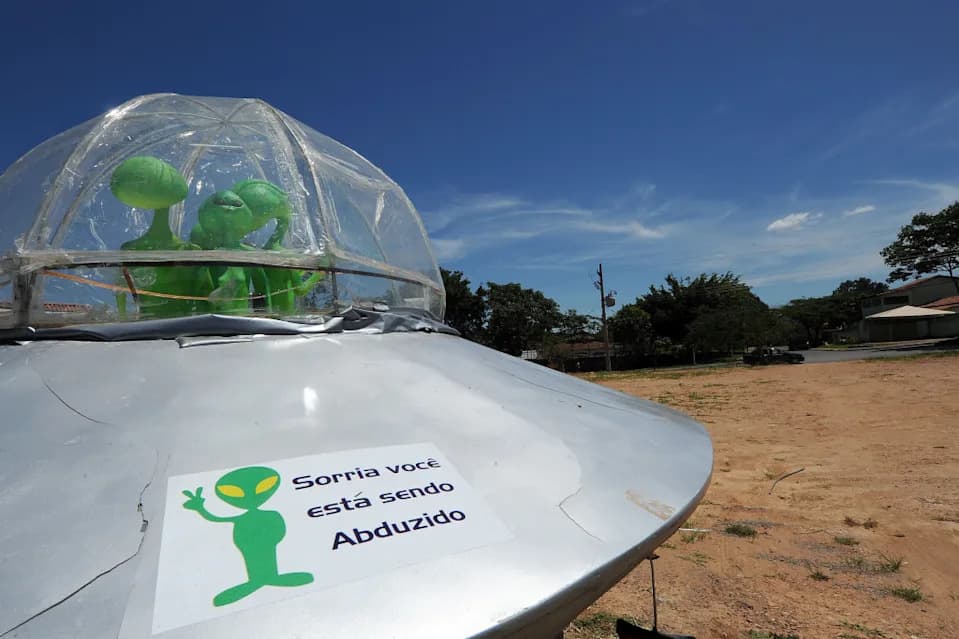
File image: a mock UFO with alien dolls and reading “Smile, you are being abducted” sits in Alto Paraiso, Goias State, December 20, 2012.
A renewed push in Washington has brought one of the world’s most debated UFO episodes — the 1996 Varginha incident in Brazil — back into public focus, with U.S. lawmakers and a former intelligence officer urging the release of related records and protections for whistleblowers.
What Happened
On January 20, 1996, three young women in Varginha, a city in southeastern Brazil, reported encountering an unusual humanoid figure in a vacant lot. Witnesses described the being as small, with a disproportionately large head, red eyes and atypical skin. Within days, other residents reported sightings of unidentified aerial phenomena in the area, and local accounts expanded to include reports of unusual military activity and hospital incidents.
Investigations and Official Findings
Over the years the Varginha story inspired intense public interest and media coverage, earning the nickname "Brazil's Roswell." Brazilian military inquiries concluded that the reported creature was likely a local man with disabilities and that troop movements in the area were routine. Authorities dismissed claims of captured non-human beings or secret relocations as misidentification, rumor and the spread of unverified reports.
Renewed U.S. Scrutiny
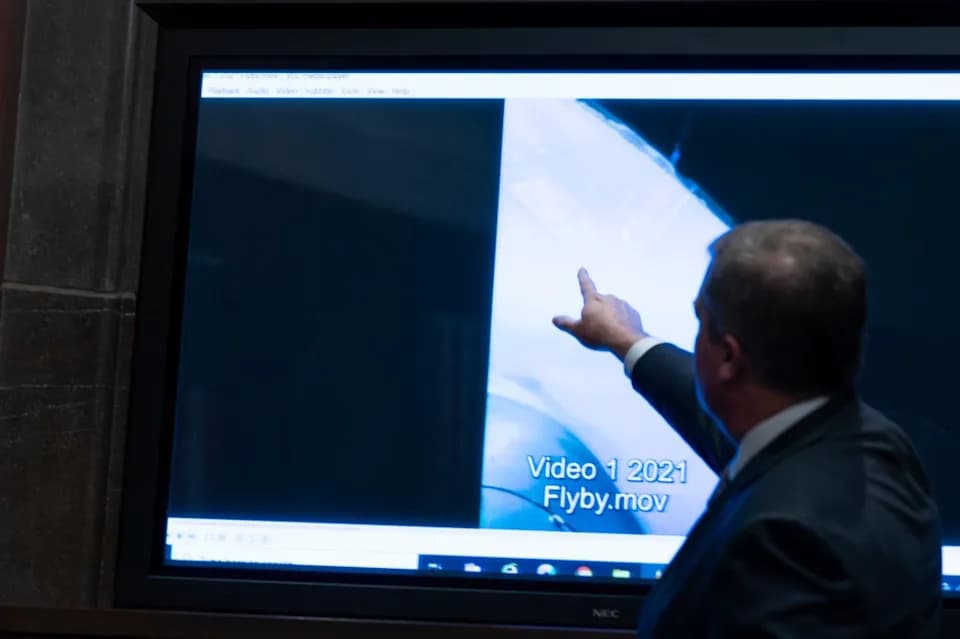
The case resurfaced at a recent Washington press conference where former U.S. intelligence officer David Grusch joined members of Congress pressing for greater transparency on unidentified aerial phenomena (UAPs). Lawmakers asked the White House and relevant agencies to declassify records tied to Varginha and other UAP matters and urged legal protections for whistleblowers who might come forward with sensitive information.
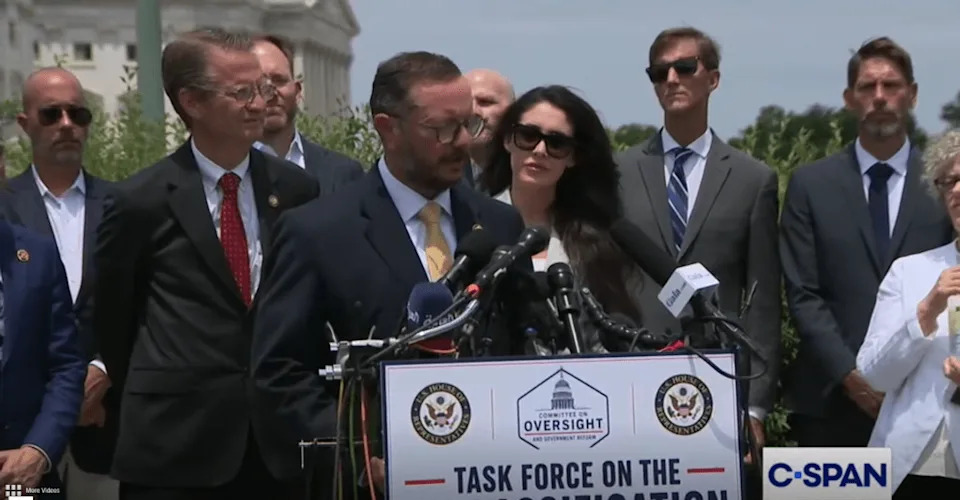
Representative Eric Burlison of Missouri, surrounded by other lawmakers, speaks into the microphone, Washington, D.C., June 9, 2026.
Representative Anna Paulina Luna said the group is pushing for whistleblower immunity so people with knowledge of UAPs and advanced technologies can speak without fear of prosecution. Representative Eric Burlison criticized long-standing secrecy, stating, "For decades, the American people have been treated like children, told there are government secrets they just don't get to know." Grusch warned that UAPs raise national security concerns and argued the debate goes "beyond life in the universe."
Conflicting Claims and Unverified Allegations
Persistent versions of the Varginha story claim Brazilian authorities — and possibly foreign officials — recovered non-human entities and secretly transported them, with some accounts alleging transfers to the United States. To date, none of those claims have been independently verified. Witnesses have also cited unexplained animal deaths and illnesses as possible evidence of a cover-up, but official investigations have not substantiated extraordinary explanations.
U.S. Government Position
The Pentagon's All-Domain Anomaly Resolution Office (AARO) has reported it found "no verifiable evidence" that any UAP sighting represents extraterrestrial technology or that the U.S. government possesses alien artifacts. AARO also noted many sightings remain unexplained, a gap the office attributed to limited or incomplete data rather than confirmation of an extraordinary cause.
Why It Matters
The Varginha incident highlights a broader tension between dramatic eyewitness accounts and more prosaic official conclusions. The current push for declassification could yield new documents, prompt increased congressional oversight, and either reinforce existing official findings or renew public and scientific scrutiny. For now, the case remains emblematic of the debate over UFO transparency, whistleblower protections and how governments handle ambiguous evidence.
Note: This article summarizes reported claims and official responses. Many allegations remain unverified and subject to ongoing debate.
Help us improve.