The Department of Defense has issued a waiver allowing authorized disclosures of UAP information to PURSUE representatives, easing civil and administrative penalties tied to nondisclosure and special access agreements while maintaining a controlled review and declassification process. The DOD's fifth PURSUE release included thermal video of two "black-hot" infrared anomalies and multiple civilian and government witness accounts. High-profile whistleblowers such as David Grusch and witnesses like David Fravor and Ryan Graves have pushed for stronger protections and greater transparency.
Pentagon Waiver Opens New Path for UAP Disclosure Through PURSUE
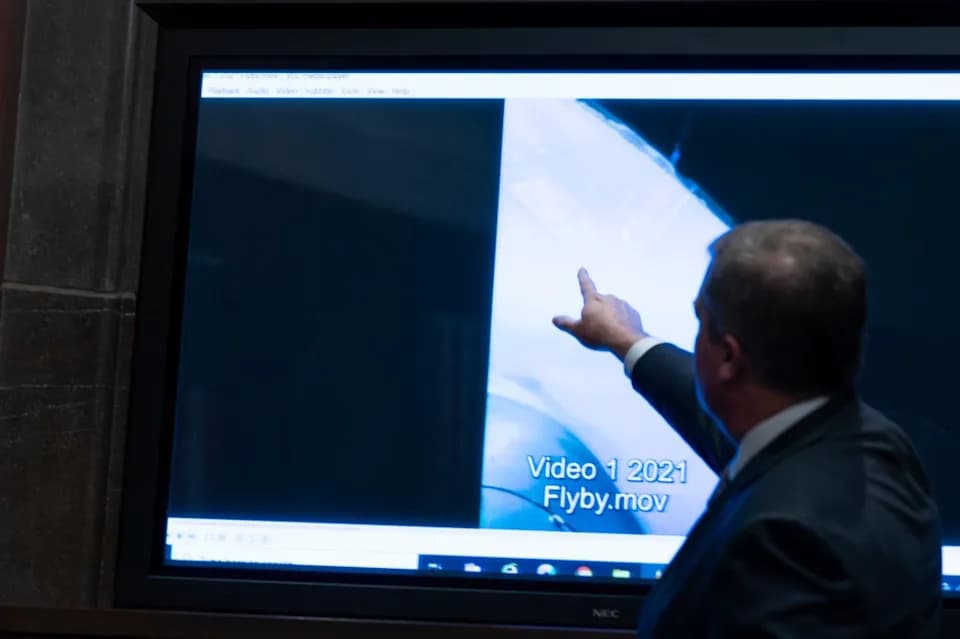
Deputy Director of Naval Intelligence Scott Bray points to a video display of a UAP during a hearing of the House Intelligence, Counterterrorism, Counterintelligence, and Counterproliferation Subcommittee hearing on "Unidentified Aerial Phenomena," on Capitol Hill, Tuesday, May 17, 2022, in Washington. |AP Photo/Alex Brandon, File
The Department of Defense has issued a legal waiver allowing current and former military personnel, civilian employees and contractors to disclose information about Unidentified Anomalous Phenomena (UAP), commonly known as UFOs, to designated representatives of the Presidential Unsealing and Reporting System for UAP Encounters (PURSUE).
This directive is intended to remove longstanding legal and administrative barriers—tied to nondisclosure agreements and Special Access Program indoctrination agreements—that have discouraged insiders from reporting UAP-related information. Under the waiver, civil and administrative enforcement provisions attached to those agreements are lifted for authorized disclosures made directly to PURSUE representatives, while preserving a formal review process for security concerns and potential declassification.
What the Waiver Changes
Controlled Disclosure: The waiver does not create blanket public-release authority. Information provided to PURSUE will be reviewed for national security implications and may be declassified through an established process before wider publication.
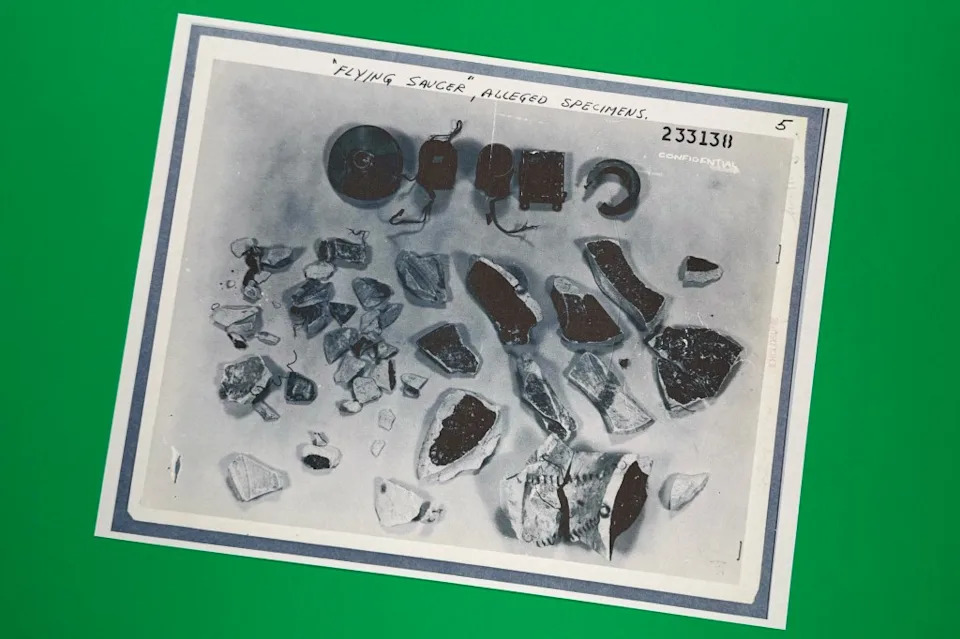
A photo of "flying saucer alleged specimens" in files on UFOs, released May 8, 2026, by the Pentagon, is photographed in Washington. |AP Photo/Jon Elswick, File
Who It Covers: The waiver applies to current and former uniformed personnel, civilian employees and contractors who possess UAP-related information and who disclose it to authorized PURSUE representatives.
Context and Recent Developments
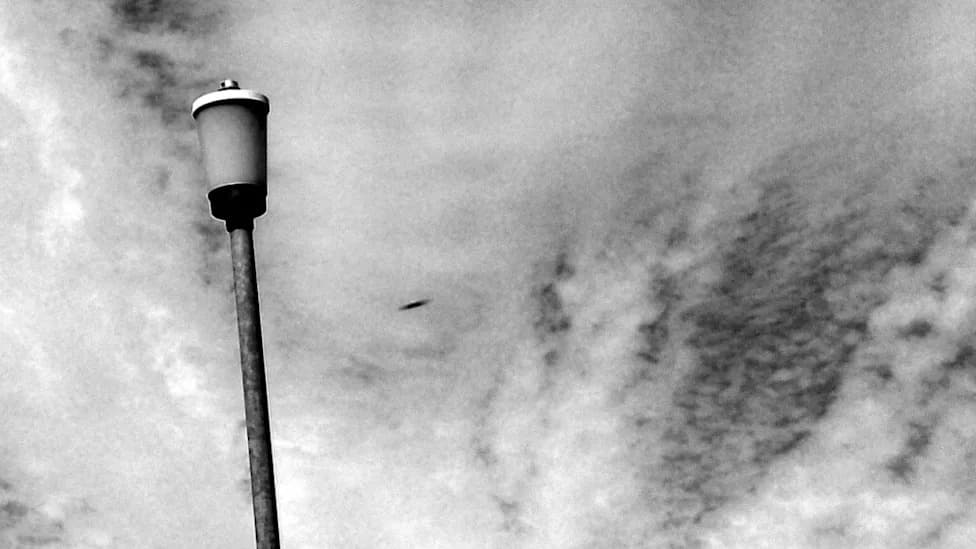
The policy shift comes amid renewed congressional and public interest in UAPs following hearings, whistleblower claims and a series of previously classified releases. The Department of Defense recently published its fifth PURSUE release, a collection of reports that included civilian and government witness accounts and thermal video showing two slow-moving "black-hot" infrared anomalies.
That tranche also contained reports from two U.S. government special agents and an account of a witness who described three separate sightings within a five-hour period in the western United States.

FILE – A patron passes a painting inside the International UFO Museum and Research Center in Roswell, N.M., on June 10, 1997. |AP Photo/Eric Draper, File
Voices in the Debate
Prominent figures have pushed for stronger legal protections and greater transparency. Former intelligence officer David Grusch has alleged that covert programs recovered and examined unidentified craft and has repeatedly called for protections for whistleblowers. In testimony before Congress in July 2023, Grusch described reports from multiple credentialed current and former officials and warned that alleged reverse-engineering programs could prompt a major reassessment of national priorities.
"The revelations we unearth through investigations of the Non-Human Reverse Engineering Programs I have reported will act as an ontological (earth-shattering) shock," Grusch said, urging broader investigations and protections.
Other witnesses, including former U.S. Navy commander David Fravor and aviation safety advocate Ryan Graves, have described high-profile encounters—including Fravor's 2004 "Tic Tac" sighting off the California coast—that helped catalyze congressional scrutiny of UAP incidents.
Why It Matters
Supporters of disclosure say legal safeguards are essential to encourage insiders to come forward with eyewitness accounts and documents that could inform lawmakers, scientists and the public. Observers will be watching whether the waiver prompts new witnesses to step forward and whether previously undisclosed records are ultimately released after PURSUE's review and declassification process.
Note: News organizations and oversight entities will likely monitor implementation closely to ensure the controlled process balances transparency with legitimate national security concerns.
Help us improve.