AAJA has condemned China’s February expulsion of New York Times correspondent Vivian Wang, calling the move a threat to press freedom and to audiences' access to on-the-ground reporting. Chinese officials linked the expulsion to a DealBook Summit appearance by Taiwan President Lai Ching-te, though Wang had no involvement in the interview. AAJA urged China to restore Wang's reporting access and warned U.S. officials against reciprocal measures that could restrict journalists further.
AAJA Condemns China’s Expulsion Of NYT Reporter Vivian Wang, Urges Protection Of Press Freedom
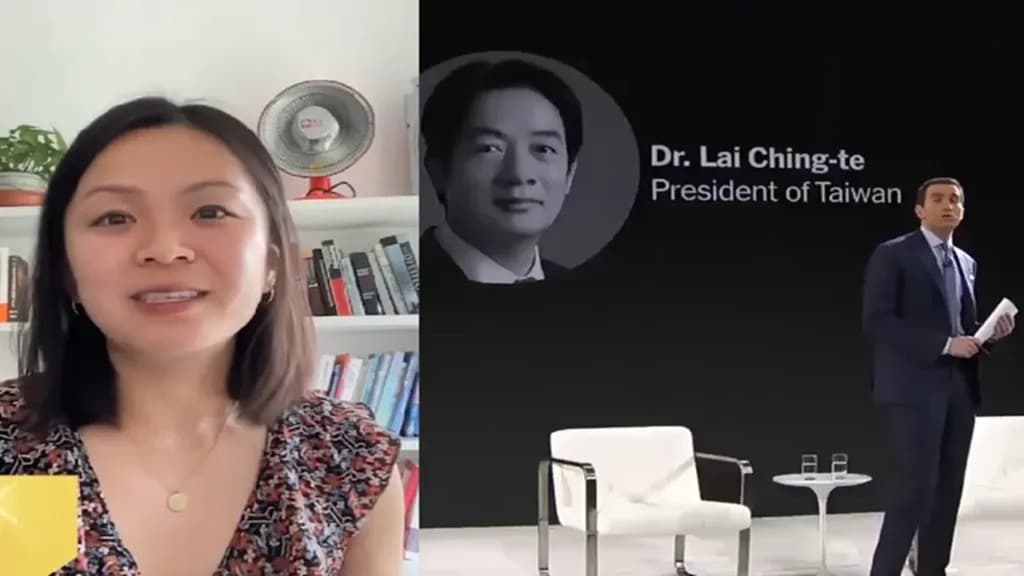
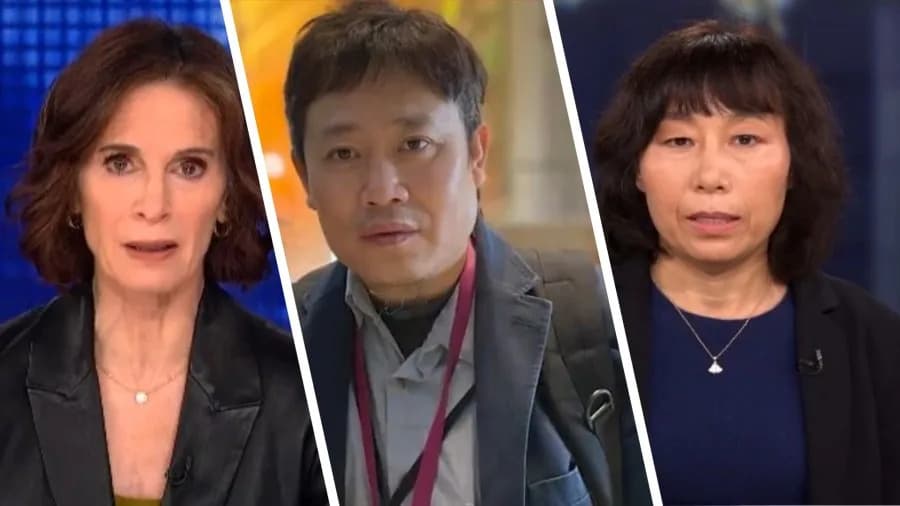
The Asian American Journalists Association (AAJA) on June 4 condemned China’s February expulsion of New York Times correspondent Vivian Wang, a move the Times disclosed on May 29. Chinese authorities said the action was linked to a DealBook Summit event in New York that included a virtual appearance by Taiwan President Lai Ching-te; Wang had no role in organizing or participating in that interview.
AAJA Statement
In its statement, AAJA said it "vehemently opposes restrictions that undermine press freedom and limit journalists' ability to report." The organization warned that expulsions and other constraints deprive audiences of on-the-ground reporting and that journalists should not be "expelled, targeted, or used as leverage in diplomatic disputes."
"When journalists are restricted or expelled, audiences lose access to on-the-ground reporting," AAJA said. The group urged Chinese authorities to restore Wang's ability to report from the country and called on U.S. officials to avoid reciprocal measures that would further restrict foreign journalists.
Context And Reactions
The DealBook Summit interview was conducted by Andrew Ross Sorkin; New York Times reporting indicates Wang was not involved. Reuters and other outlets have reported that Chinese authorities had monitored Wang's reporting for several years. Since 2020, Wang's coverage has examined everyday life in China, censorship, the coronavirus pandemic and the country's expanding security apparatus.
Taiwan’s Presidential Office criticized the expulsion after it became public. Presidential Office spokesperson Karen Kuo called Beijing's move a use of "groundless pretexts" that threatens media freedom and harms China's international image. Beijing views Lai Ching-te as a separatist because he rejects China’s sovereignty claim over Taiwan; Taiwan says its future should be decided by its people.
The AAJA also referenced reports that the U.S. later revoked the visa of an unnamed Chinese national working for Xinhua News Agency. While condemning Wang's expulsion, AAJA cautioned that reciprocal restrictions could undermine the United States' longstanding commitment to press freedom and referenced First Amendment principles as a foundation for protecting journalistic access.
Why It Matters
Wang's removal highlights growing concerns about press freedom in China at a time when the number of U.S. and other foreign correspondents based in the country has declined after earlier expulsions and visa limits. AAJA framed the incident as part of a broader pattern with implications for audiences, diplomatic norms, and the global flow of information.
Help us improve.