The EU is hosting South Korean President Lee Jae Myung in Brussels as leaders finalise a Digital Trade Agreement that sets binding rules for data flows and e‑commerce. Beyond trade, the summit focuses on defence and supply‑chain security after a 2024 security pact, with proposals for NATO‑style economic measures to deter trade coercion. Two‑way trade reached about €124 billion last year, underpinned by Korean microchips, batteries and heavy R&D spending.
Batteries, Microchips and K‑Pop: What’s at Stake at the EU–South Korea Summit in Brussels
Watch: Batteries, microchips, and K-Pop—what's at stake at the EU-Korea Summit
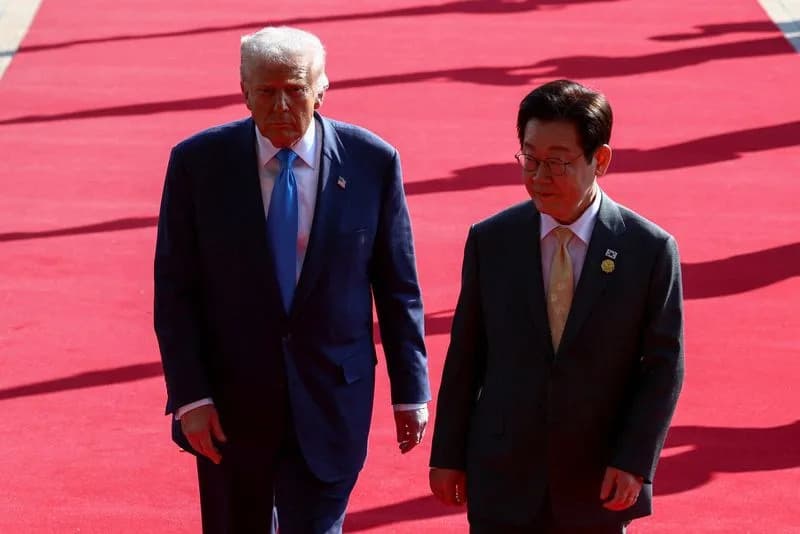
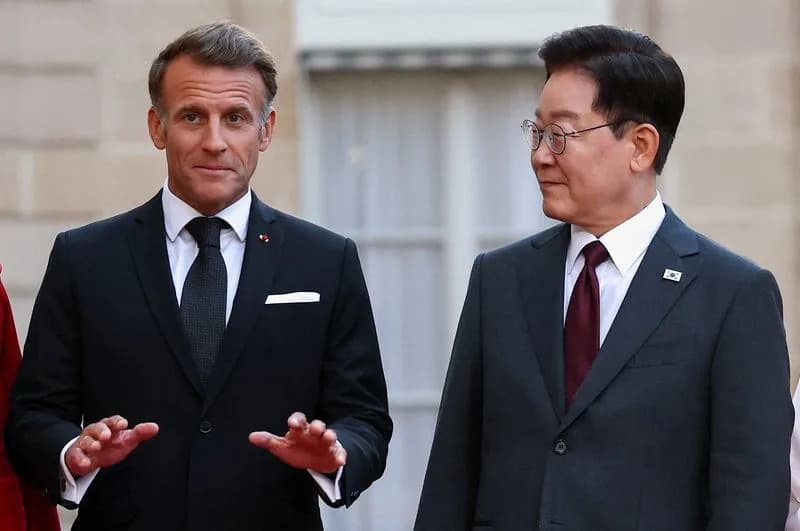
Brussels is hosting a high-stakes summit this week as European leaders, including Portuguese Prime Minister António Costa and European Commission President Ursula von der Leyen, welcome South Korean President Lee Jae Myung for the EU–Republic of Korea meeting.
What’s On The Table
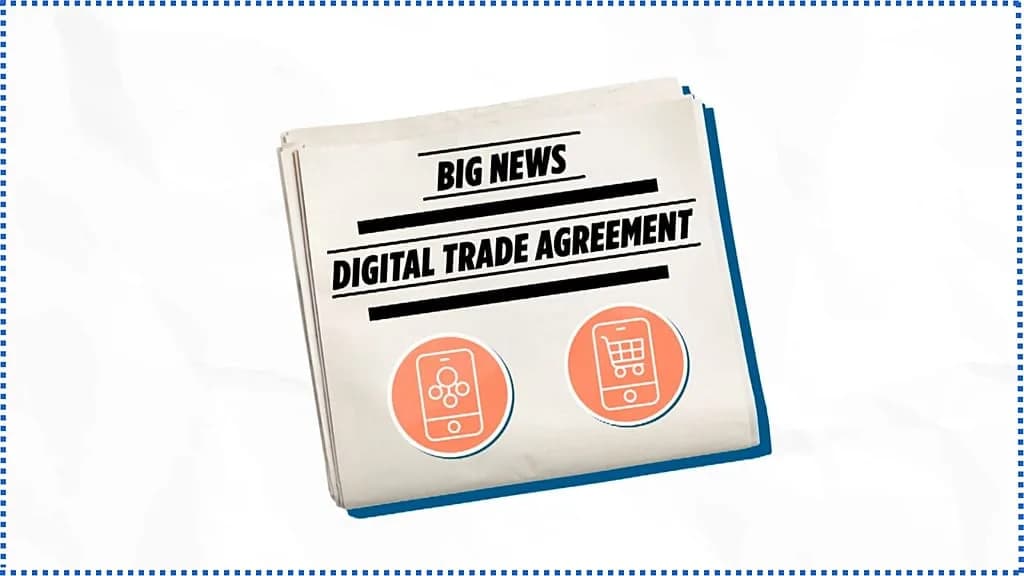
The summit is notable for the newly finalised Digital Trade Agreement, which establishes binding rules for cross-border data flows and e‑commerce. But beyond digital trade, the meeting is driven by a larger strategic agenda: defence, supply‑chain security and geopolitics amid rising tensions in the Indo‑Pacific.
Trade, Tech And Investment
Economic ties between the EU and South Korea are substantial. Two‑way trade topped about €124 billion last year. Europe mainly exports factory machinery and chemicals, while importing large volumes of South Korean cars, microchips and consumer electronics. South Korea invests heavily in research—devoting nearly 5% of GDP to R&D, more than double the European average—and has made major manufacturing and battery investments in countries such as Germany, Poland and Hungary.
Security And Supply Chains
Since signing a 2024 security pact, the EU has accelerated efforts to deepen ties across the Indo‑Pacific. Policymakers increasingly treat access to semiconductors, electric‑vehicle batteries and other strategic technologies as an element of national and European security. Some politicians, notably in Renew Europe, are even proposing NATO‑style economic deterrence measures with Seoul to discourage trade coercion from major powers.
Soft Power And Public Attention
Beyond geopolitics and economics, cultural influence remains salient: K‑pop and South Korean soft power help raise public visibility of the relationship and underpin broader ties between societies.
In short, the summit is about much more than a trade deal: it is part of a broader push to anchor strategic technology and security cooperation between Europe and a major Asian partner.
Watch the full report for deeper analysis of the Digital Trade Agreement and the security dimensions shaping EU–South Korea relations.
Help us improve.