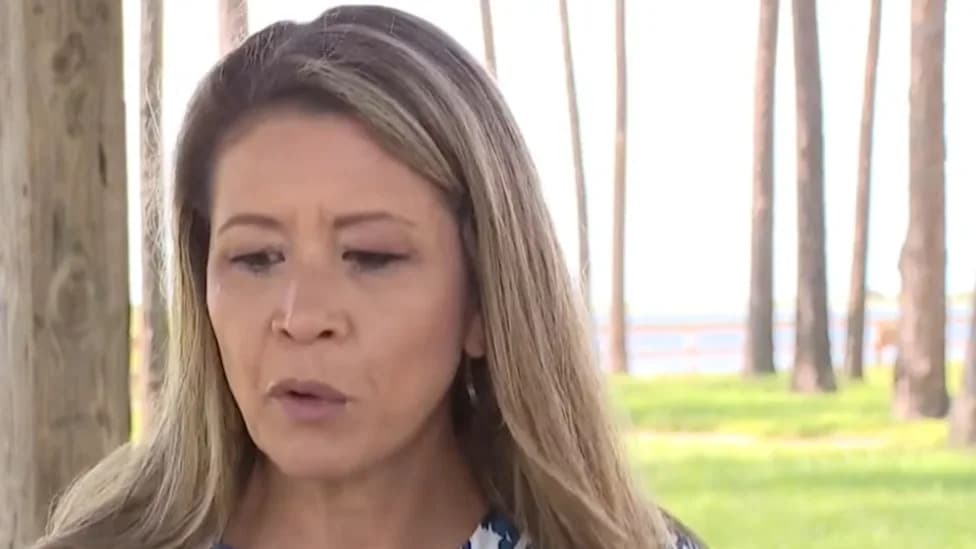
At 3:15 a.m., Michael Rollert received a call that appeared to come from his mother and claimed she’d been kidnapped, demanding $3,000 via Cash App. The caller used personal details about the family’s new home and pressured Rollert, who nearly complied before the call dropped. He called his mother on a known number and confirmed she was safe; law enforcement was notified and no money was sent. Authorities warn that caller ID spoofing and "virtual kidnapping" scams are common and urge people to verify emergencies using trusted numbers or a prearranged safe word.
3:15 A.M. Call From ‘Mom’ Claimed She’d Been Kidnapped — He Almost Sent $3,000
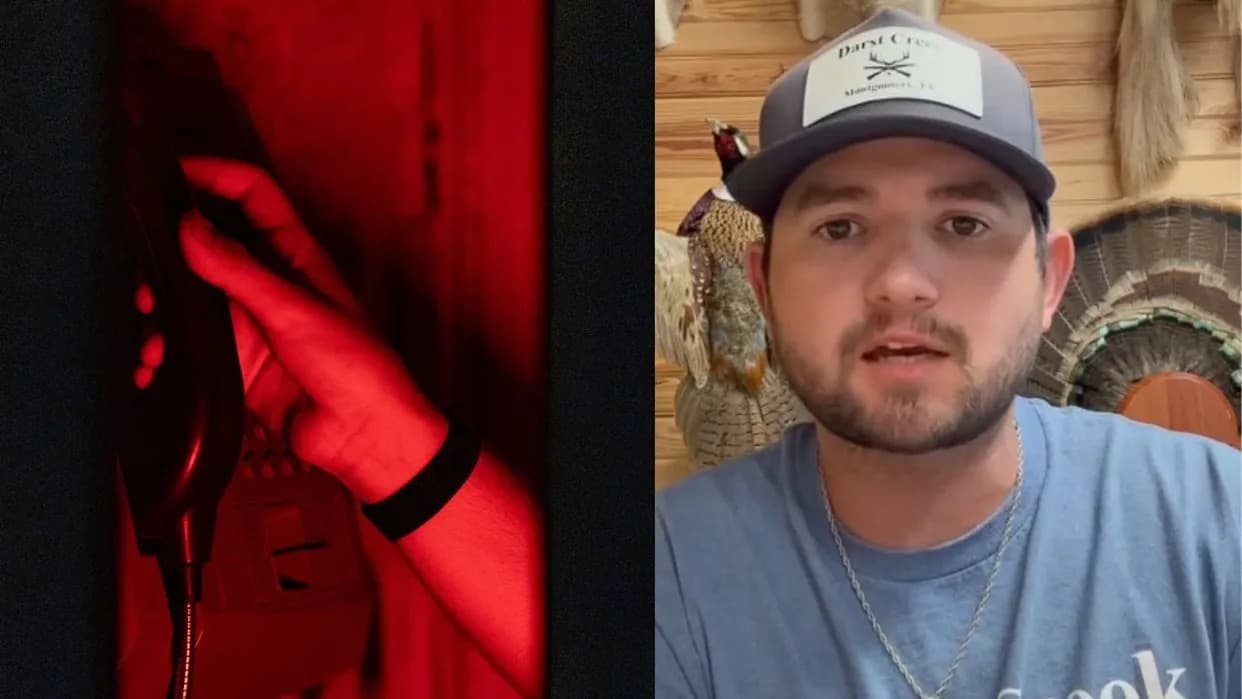
Image Credit: KPRC2 / Click2Houston /Facebook/Pexels.
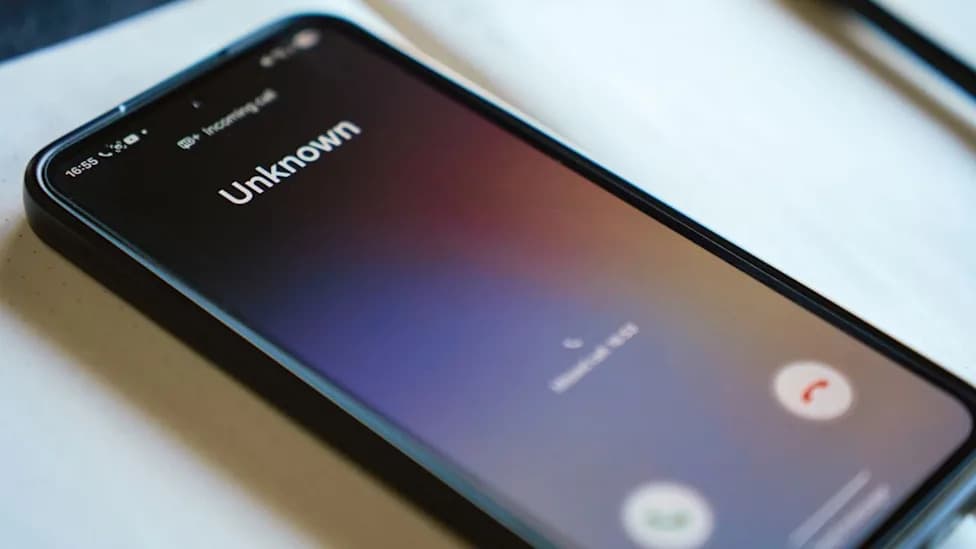
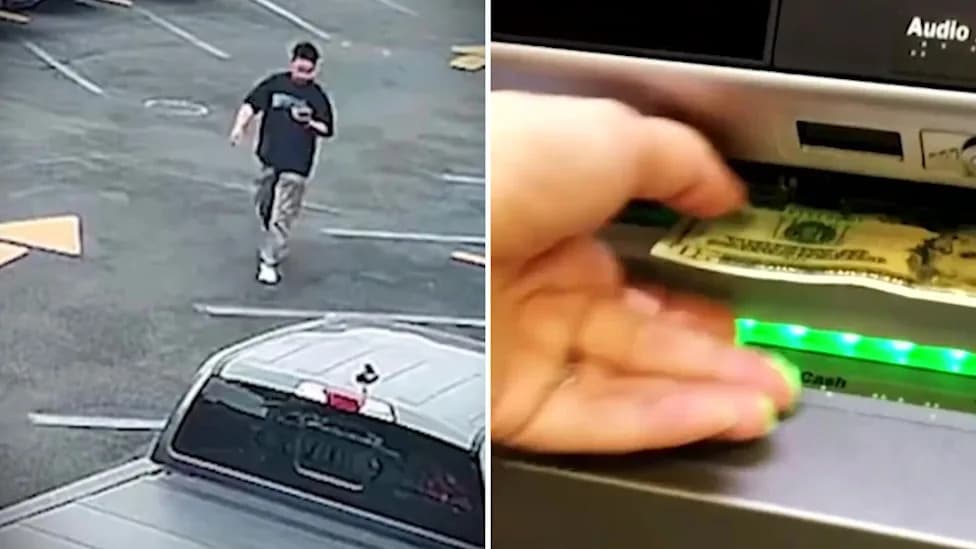
The phone rang at 3:15 a.m., and Michael Rollert’s caller ID showed his mother’s name and number. Rollert, who was attending a bachelor party in Port Aransas, answered and first heard what sounded like a distressed woman; a man then took over the line and said he had his mother and demanded $3,000 via Cash App.
The call felt convincing: the caller used the family contact on Rollert’s phone, provided specific details about the East Texas town where his parents recently moved and described features of their house, including size, colors and the driveway. Under pressure, Rollert nearly sent the money before the line dropped. He immediately called his mother on a number he already knew; she answered and confirmed she was safe at home.
While Rollert spoke with his parents, the scammer continued calling. Rollert later answered one of those calls and added his parents to the line so they could hear the caller themselves. Law enforcement was notified and no money changed hands.
How the Scam Worked
Federal agencies say fraudsters commonly use caller ID spoofing — deliberately falsifying the information that appears on a phone display — to impersonate trusted contacts. The FTC warns about "family-emergency" scams in which criminals claim a loved one is hurt, arrested or in danger and apply urgent pressure to prevent verification. The FBI has also cautioned about "virtual kidnapping" scams, where callers insist a relative has been abducted even when no kidnapping has occurred.
Practical Safety Steps
- Slow down: Don't act under pressure. Scammers rely on panic to force quick payments.
- Verify using a known number: Call the loved one on a number you already trust before sending money.
- Use a family safe word: Agree on a secret word or phrase that only family members know; ask for it when a caller claims an emergency.
- Prefer trusted channels: Avoid immediate transfers through apps to unknown recipients; contact other family members to corroborate.
- Report the attempt: Notify local authorities and report spoofed numbers to the FCC and scams to the FTC.
“No part of this was robotic,” Rollert told KPRC 2, noting the caller's voice did not sound like an obvious AI clone. The realistic details and familiar caller ID made the scam feel alarmingly real.
Rollert’s experience is a reminder that technology can make scams more believable. Simple precautions — a safe word, verifying with known contacts, and pausing before sending funds — can prevent a costly mistake.
Help us improve.