The study finds that structural changes in lymph node fibroblastic reticular cell (FRC) networks can appear before cancer cells are detectable and differ by breast cancer subtype, spread and chemotherapy exposure. Some FRC alterations were linked to better survival while others predicted poorer outcomes. Analysing 331 lymph node samples, researchers say the results could help avoid unnecessary lymph node surgery and guide more personalised treatments. The work was funded by Breast Cancer Now and is published in the Journal of Pathology.
Lymph Node Changes May Predict Breast Cancer Spread — Study Suggests Pathway To Fewer Unnecessary Surgeries
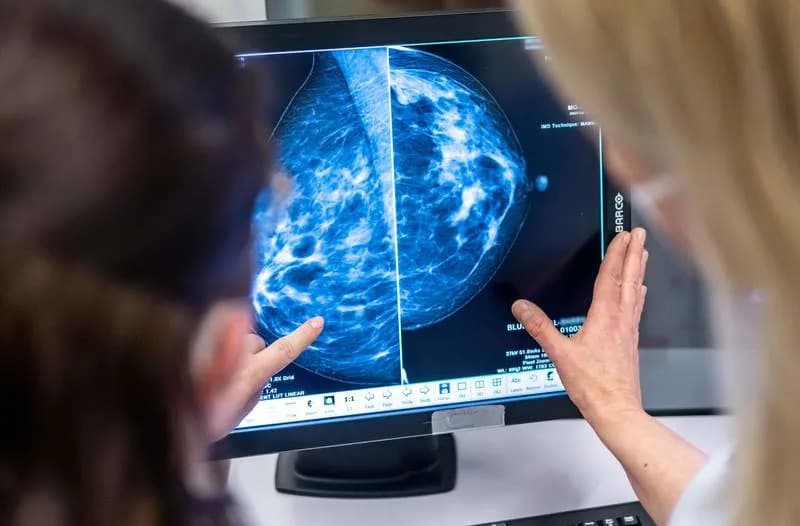
Red meat, smoking and high blood sugar are among the specific factors that can increase the risk of breast cancer, according to research. Hannibal Hanschke/dpa
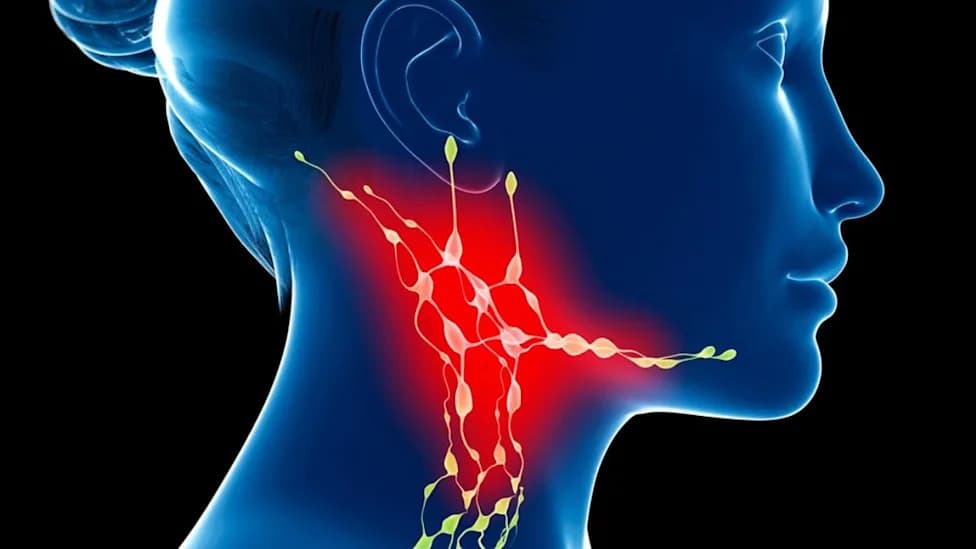
Researchers report that structural changes inside lymph nodes — specifically in networks of fibroblastic reticular cells (FRCs) — can appear before cancer cells are detectable and may help predict whether breast cancer will spread. The findings could eventually guide treatment decisions and reduce the number of patients who undergo lymph node removal and suffer long-term side effects such as lymphoedema.
Study Details
Scientists from King’s College London and University College London analysed 331 lymph node samples from people with different breast cancer subtypes and compared them with healthy lymph nodes. They focused on fibroblastic reticular cells (FRCs), which form the lymph node scaffold, regulate fluid flow and help coordinate immune responses. The team found that the organisation of the FRC network can change even before pathologists can see cancer cells in the node, and that the patterns of alteration varied by cancer subtype, presence of spread and whether the patient received chemotherapy.
Key Findings
Certain FRC changes were associated with better survival while others correlated with worse outcomes, suggesting the lymph node microenvironment can actively influence cancer progression rather than only reflecting it. These early structural changes may therefore serve as biomarkers to refine staging and to target treatments more precisely.
Clinical Implications
Today, most people with invasive breast cancer undergo sentinel or axillary lymph node removal to stage disease. While effective, these procedures can cause lasting complications, including arm swelling (lymphoedema). If validated in further studies, FRC-based tests could help clinicians identify patients at low risk of spread who might safely avoid surgery, and identify high-risk patients who need more aggressive treatment or novel therapies that target the lymph node environment.
Voices From The Study
"These findings suggest that changes to the structure of the lymph nodes are more than just a consequence of the cancer. They can also play an active role in helping breast cancer progress," said Dr Simon Vincent, Chief Scientific Officer at Breast Cancer Now.
Dr Amy Llewellyn added: "Our study provides the first large-scale analysis of FRCs in human lymph node tissue from breast cancer patients, helping to fill a major knowledge gap about when and how nodes become altered."
Patient Perspective
Ruth Smith, diagnosed with triple-negative breast cancer in 2023, described the impact of lymph node surgery: "The swelling and discomfort can have a real impact on daily life, and it’s something I now have to manage long-term." Patients say research that could reduce unnecessary node removal is urgently needed.
Publication And Next Steps
The study was funded by the charity Breast Cancer Now and is published in the Journal of Pathology. Researchers caution that these findings are promising but need validation in larger, prospective clinical studies before changing standard care. Future work will test whether FRC-based markers can be developed into reliable diagnostic tools or therapeutic targets.
Help us improve.