Ukraine has rapidly built a decentralised defence-production ecosystem that certified 175 new systems in May, about 93% of them made domestically. Years of innovation since 2014, a "fail fast" procurement model and battalion-level adaptation accelerated development of drones, ground robots and missiles. Notable systems include autonomous-capable drones such as the Lupynis-10-TFL-1, deep-strike platforms like the Sichen, combat robots including the Ratel X, and emerging missile programmes. Experts urge Europe to study Kyiv’s model rather than wait for a similar crisis to force reform.
Ukraine’s Weapons Boom: How Small Workshops and Fast Innovation Caught Putin Off Guard
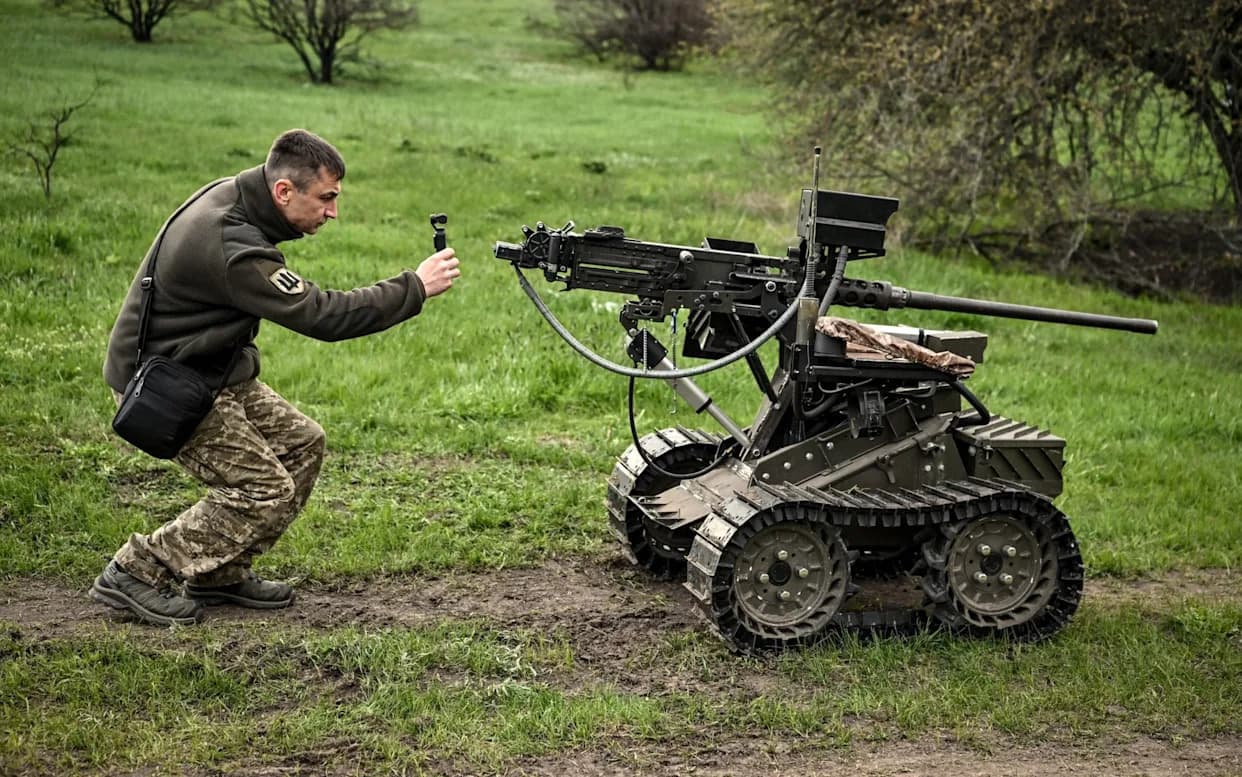
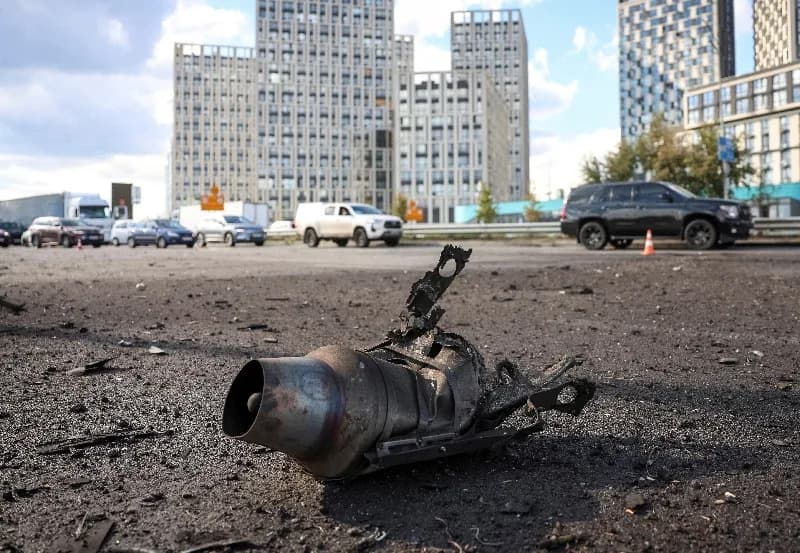
Robotic systems and drones make it possible to attack Russian positions while keeping personnel away from the ‘kill zone’ - Dmytro Smolienko/Getty
Across scattered workshops and dozens of small firms in Ukraine, a rapid, distributed defence-industrial ecosystem has emerged — one that has outpaced much larger Western procurement systems and surprised Russia.
From Imports To Indigenous Production
In May alone, Ukraine’s Ministry of Defence certified 175 new weapons systems for operational use, almost 93% of them designed and manufactured domestically. By comparison, Germany approved fewer than 20 new systems in all of 2024, and the United States typically fields only two to five genuinely new platforms a year after procurement cycles that average about a decade.
Four years ago Ukraine relied heavily on weapons supplied by partners. Today it is certifying roughly six new systems every day. As Keir Giles, an associate fellow in Chatham House’s Russia and Eurasia Programme, put it: "Put it all together, and you’ve got a defence procurement ecosystem that is completely unrecognisable compared with anywhere else in Europe."
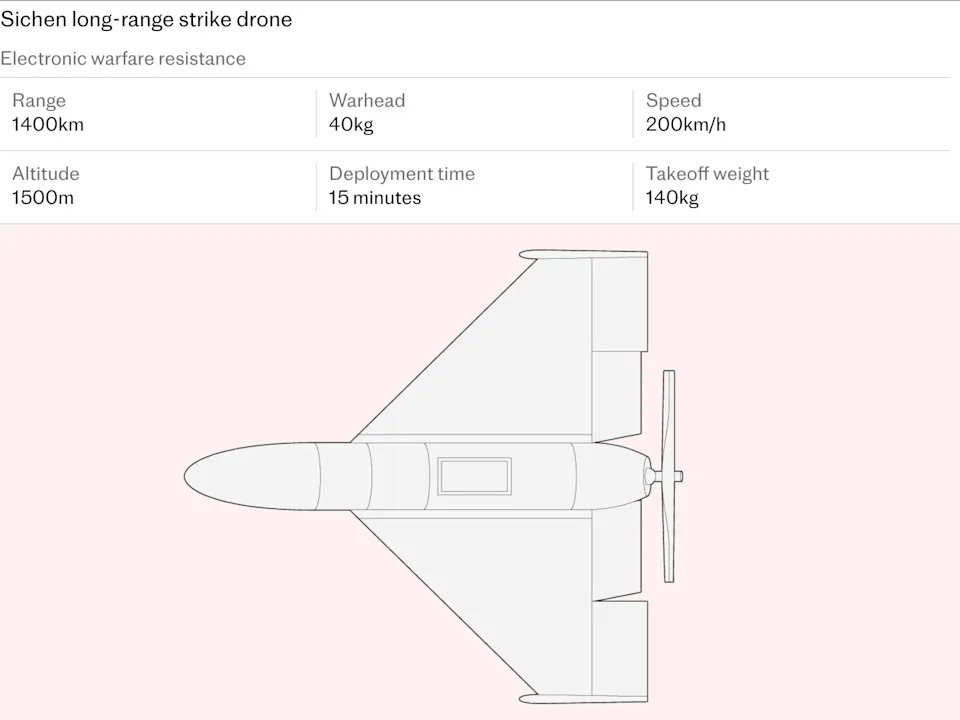
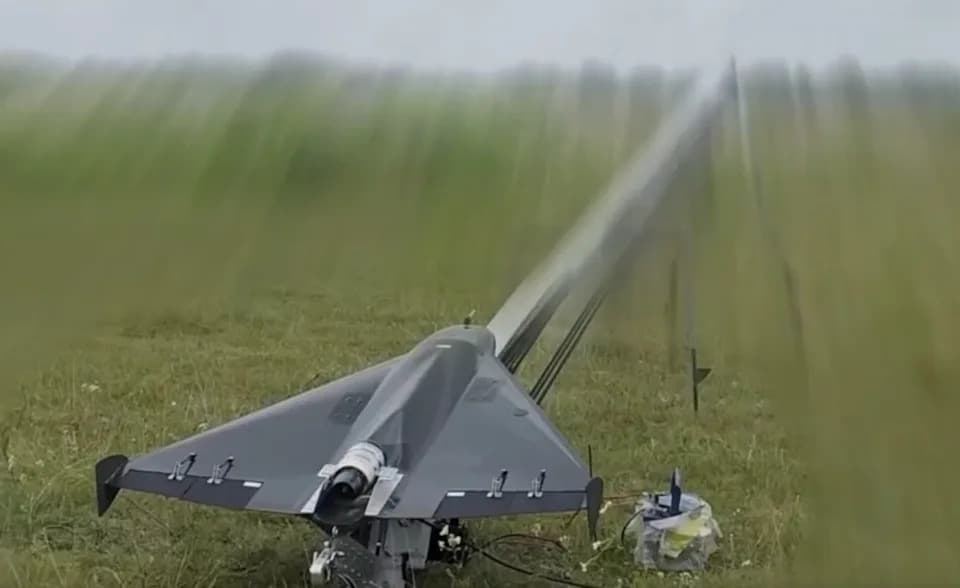
0906 Sichen long-range strike drone
Roots And Rapid Acceleration
The transformation did not begin in 2022. Many of the capabilities date back to 2014, when Russia annexed Crimea and backed separatists in eastern Ukraine. Those eight years of incremental innovation — particularly in outsourcing to private industry — provided a reservoir that the full-scale invasion then accelerated.
Under existential pressure, Kyiv removed layers of bureaucracy and embraced a "fail fast" approach: systems that work are adopted rapidly; those that do not are discarded. Development authority has been decentralised to battalion level, where units update and adapt equipment in the field. Initiatives such as the Brave1 military tech marketplace have also let units procure what they already know works for them.
What Was Certified
The newly certified systems span interceptor drones and ground robots to ballistic missiles and armoured vehicles. Notable examples include:
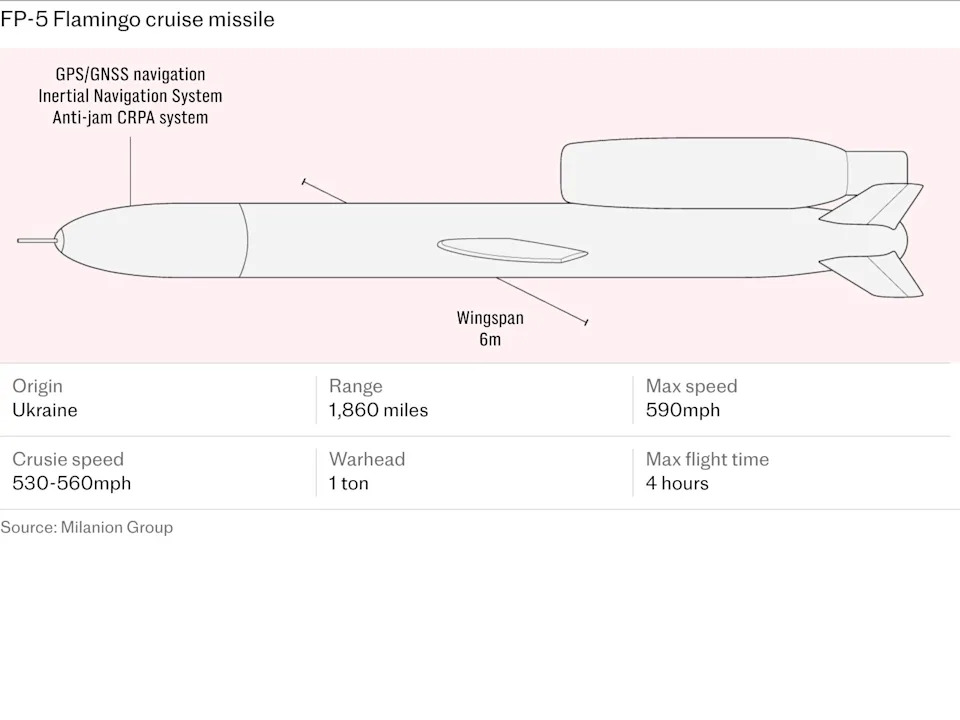
1908 Flamingo (MP5) cruise missile
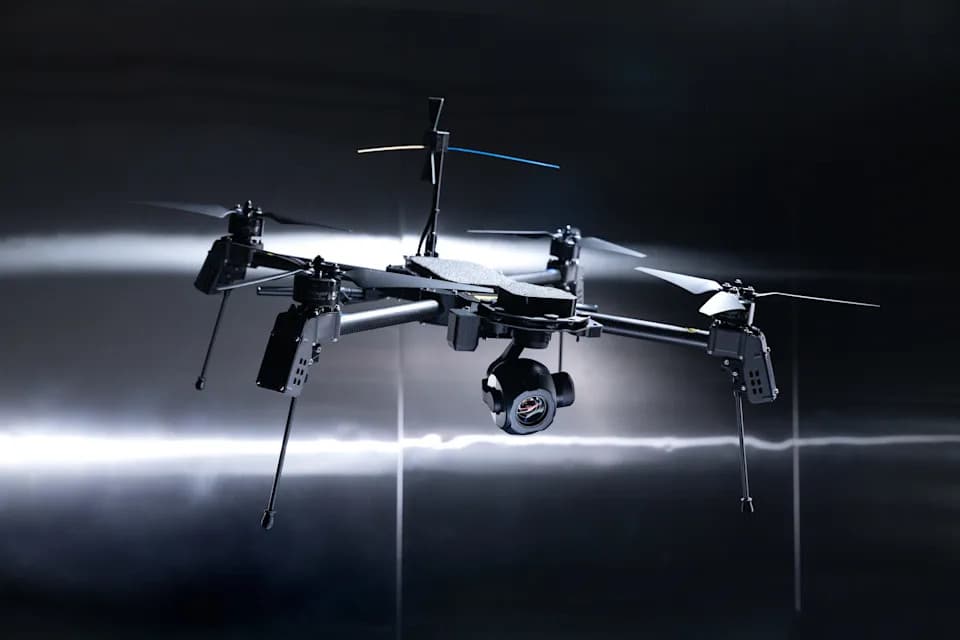
- Lupynis-10-TFL-1: A tactical drone developed by miltech start-up The Fourth Law (founded 2023) that uses a so-called "first level of autonomy." A human operator controls most of the flight, but in the final 500 metres — where Russian jamming is more intense — onboard AI reportedly takes over to identify and lock on to targets, a feature the company says multiplies mission success rates.
- Sichen: A deep-strike drone reportedly capable of very long ranges (claims vary) and designed to operate in heavy electronic-warfare environments, allowing strikes beyond frontline positions.
- Ground Robots: Systems such as the Gnom, Primar-Killer, Vepr, Plyushch+ and the Ratel X were approved. The Ratel X is described as a low-profile combat robot for reconnaissance, mine-laying, casualty evacuation and launching fibre-optic FPV attack drones from the battlefield. Ukrainian units have reportedly captured positions using only robots and UAVs in some engagements.
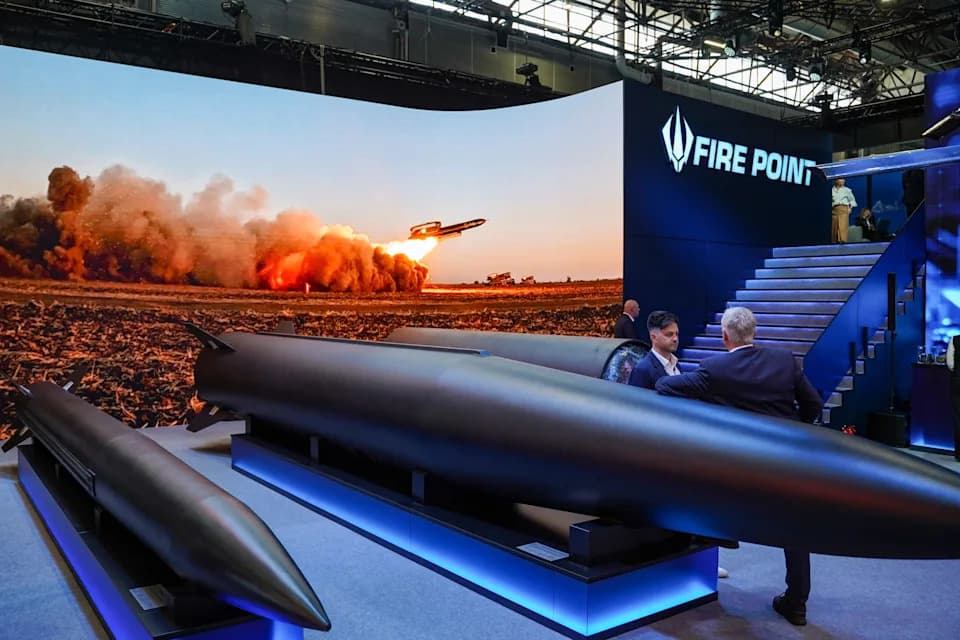
- Missile Programmes: Kyiv has accelerated indigenous long-range strike capabilities. The FP-7 ballistic missile (reported ~200 km range) is in service; the FP-9 is reported to have a longer range (reports vary around 850 km) and is undergoing testing; and the FP-5 Flamingo cruise missile has been claimed to strike deep into Russian territory. These ranges and payloads are reported by Ukrainian sources and independent verification varies.
A Different Production Model
Ukraine’s model — a dispersed ecosystem of small factories, start-ups and civilian entrepreneurs — contrasts with Russia’s concentrated, state-controlled industrial centres that mass-produce a narrow set of systems. That centralised model produces volume but is less flexible and slower to adapt.
"The corners being cut in Ukraine are the ones that make British defence programmes take decades," said Keir Giles, highlighting how expediency in wartime has reshaped procurement choices.
Implications For Europe And The West
Experts argue Europe should study Ukraine’s approach rather than waiting for a similar existential crisis to force reform. Ukraine’s defence production capacity is reported to have grown from about $20bn in 2024 to $35bn in 2025, with forecasts — from Ukrainian or sympathetic sources — suggesting output could reach around $50bn. Whether those projections are fully realised, they indicate a striking and rapid scaling of capability.
Takeaway: Whether through small workshops, decentralised procurement or battlefield-driven iteration, Ukraine’s rapid arms innovation shows how agility, competition and frontline feedback can accelerate development — and why Western systems are watching closely.
Help us improve.