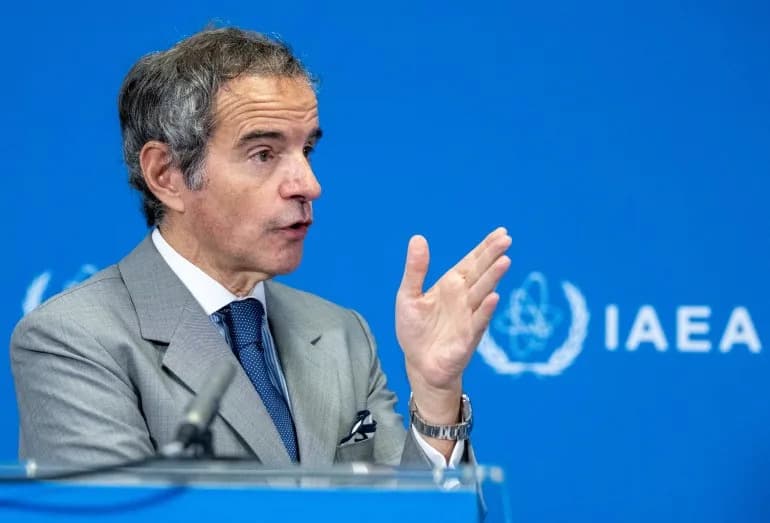
VIENNA, June 8 — IAEA Director General Rafael Grossi on Monday urged Iran to 're-engage' with the International Atomic Energy Agency so inspectors can return to sites struck about a year ago by the United States and Israel. Grossi made the appeal as the U.S., backed by Britain, France and Germany, pressed the IAEA Board of Governors to adopt a resolution demanding detailed information on the damage and on nuclear material stored at those sites.
Inspection Gaps And Unanswered Questions
Iran has not yet informed the IAEA what became of the facilities hit in the strikes or of the nuclear material held there, including uranium enriched to levels close to weapons grade. While some enrichment infrastructure was destroyed or badly damaged, much highly enriched uranium is believed to have survived — including material enriched to roughly 60%, short of the roughly 90% commonly associated with weapons-grade uranium.
Communication Channel 'Broken'
'It's very important that we re-engage,' Grossi told the IAEA's 35-nation Board of Governors on the opening day of its quarterly session. He later said he maintains 'sporadic contacts' with Iran's foreign minister and others but that 'basically the channel of communication is broken.'
The IAEA has been able to carry out inspections at some sites that were not attacked, but it suspended broader inspection activity on safety grounds in February amid renewed strikes. Since then, the agency has been limited to inspecting Iran's operating power reactor at Bushehr.
Board Resolution And Diplomatic Risks
The United States, formally supported by Britain, France and Germany, is pushing the board to adopt a resolution that would require Iran to provide 'precise information' on the bombed sites and on the fate of enriched uranium 'without delay.' Diplomats expect the measure to pass by a clear margin, as a similar resolution did in November, but they warn a new resolution could complicate ongoing U.S.-Iran talks aimed at extending a ceasefire and paving the way for wider negotiations on regional security and Iran's nuclear programme.
Tehran's Response
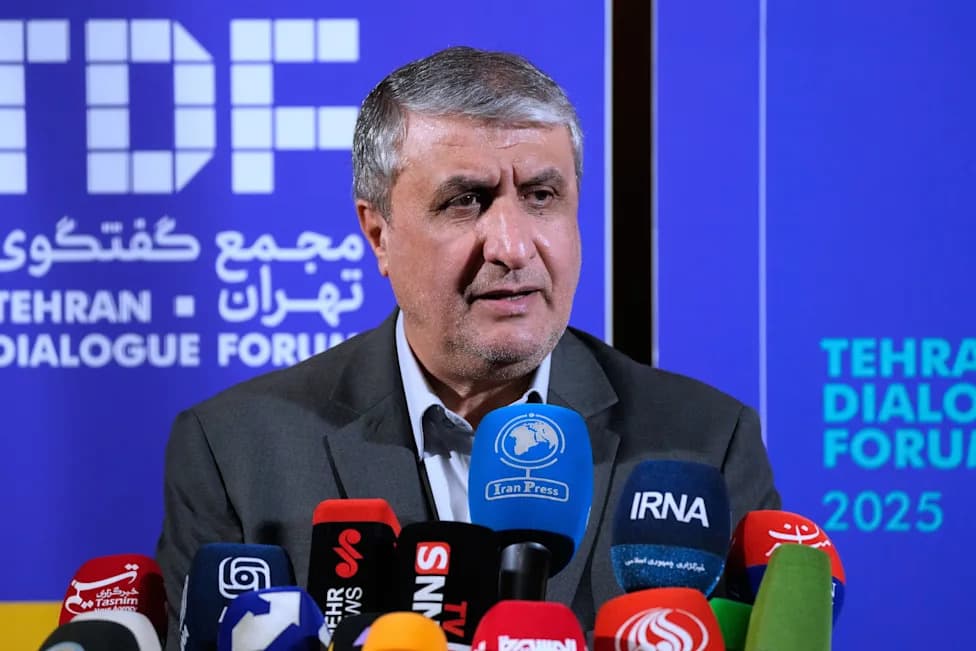
Iran's mission to the IAEA posted on X that 'responsibility for an internationally wrongful act rests with the perpetrator and cannot be transferred to the victim,' arguing the board should not be used to absolve those who carried out the strikes of responsibility. Tehran noted that it has previously reacted to board condemnations by accelerating nuclear activities or reducing cooperation with the agency, and warned that coercion could undermine diplomatic prospects.
Regional Tensions And Urgency
Israel and Iran exchanged military strikes late on Sunday and into Monday, raising the diplomatic stakes. U.S. President Donald Trump called for an immediate halt to the exchanges, saying that recent strikes would not affect ongoing negotiations. The combination of unresolved technical questions about nuclear material and heightened regional tensions has increased pressure on all parties to restore IAEA access and to keep diplomatic channels open.
What Comes Next: The IAEA board is expected to debate and possibly adopt the resolution later this week. If Iran re-engages constructively, inspectors could return to assess damage and account for enriched material; if not, the agency risks further limits on verification at a time of elevated regional conflict.