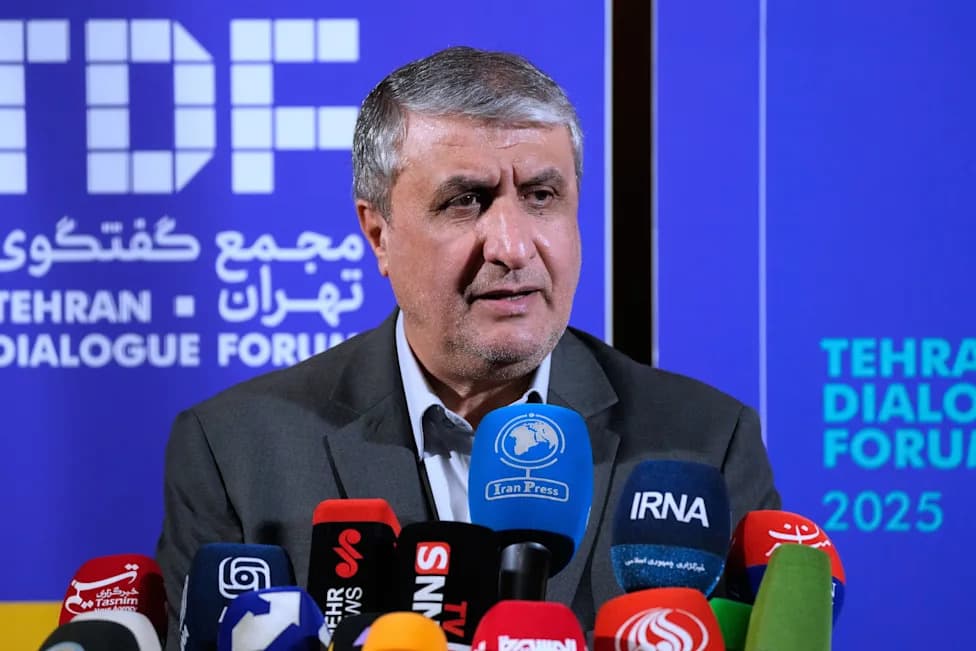
The Austrian government refused entry to Mohammad Eslami, head of Iran's nuclear programme, after a UN sanctions committee denied a travel exemption. US Ambassador Preston Wells Griffith backed the move, citing Tehran's limited cooperation with IAEA inspectors and accusing Eslami of overseeing near‑weapons‑grade uranium enrichment. Iran summoned Austria's chargé d'affaires and accused the US of engineering the ban. The IAEA has referred its dispute with Iran back to the UN Security Council amid concerns over access to facilities and up‑to‑date stockpile data.
Austria Bars Iran Nuclear Chief From IAEA Conference After UN Refuses Exemption
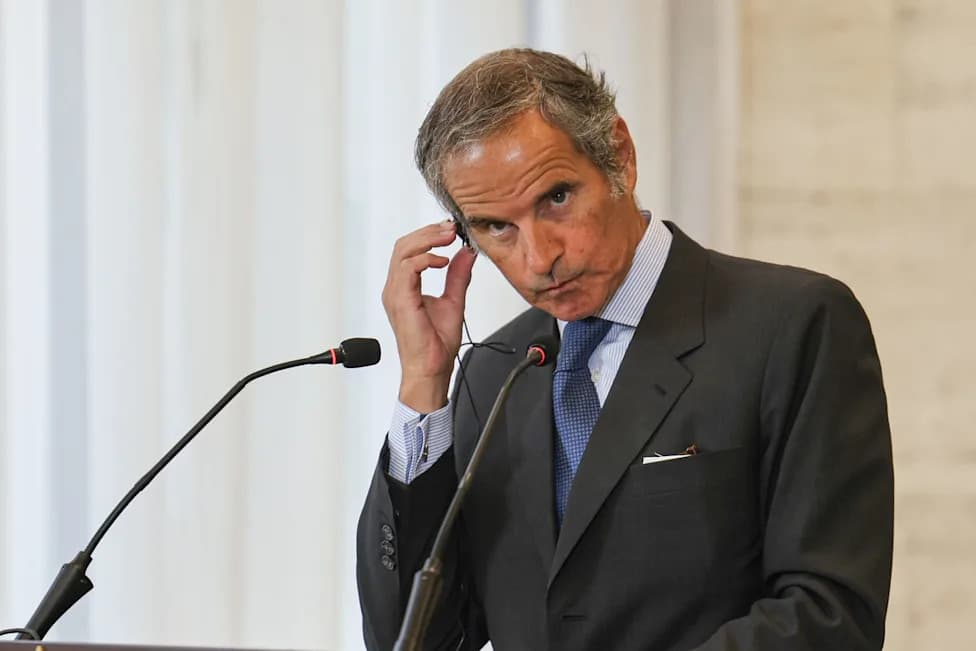
FILE PHOTO - International Atomic Energy Agency (IAEA) Director General Raffaele Grossi attends a press conference. (is associated with: «Austria bars entry of Iran's nuclear chief for IAEA meeting in Vienna») Mohammed Al-Rifai/dpa
Austrian authorities denied entry to Mohammad Eslami, the head of Iran's nuclear programme, at the opening of the International Atomic Energy Agency's (IAEA) annual conference in Vienna on Monday after a UN sanctions committee refused an exemption to travel restrictions.
Background: Eslami is subject to UN sanctions dating to 2008 that include travel bans. Austria had sought an exemption from the relevant UN Security Council sanctions committee but, according to Austria's UN ambassador in Vienna, Christian Ebner, the request was denied.
International Reactions: US Ambassador Preston Wells Griffith publicly supported Austria's decision, telling reporters that Washington could not permit Eslami to travel amid what he described as Tehran's limited cooperation with IAEA inspectors. Griffith said he holds Eslami responsible for overseeing uranium enrichment to levels approaching weapons-grade.
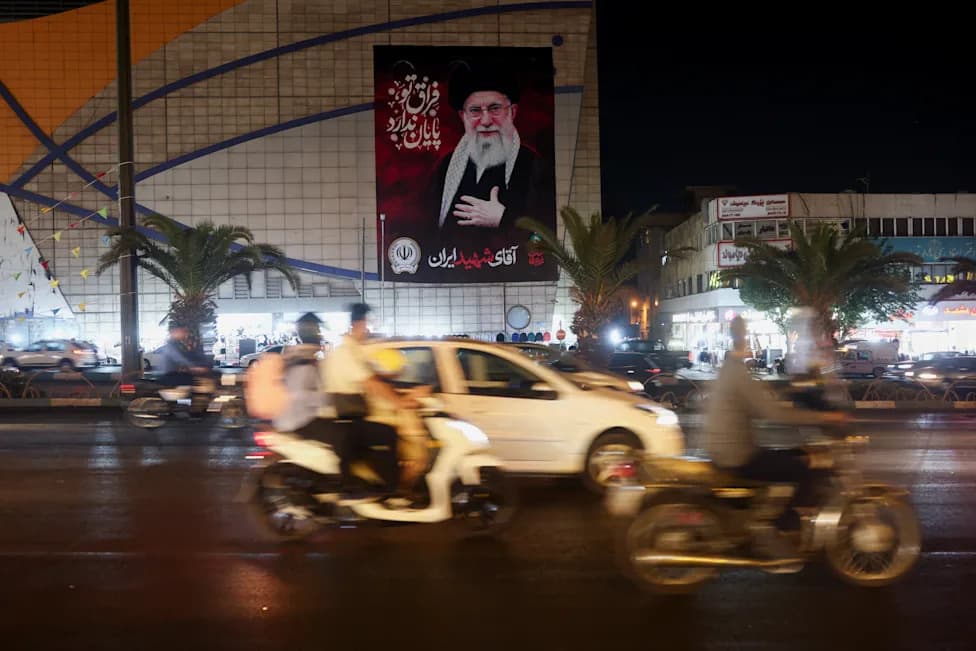
In Tehran, Iran's Foreign Ministry summoned Austria's chargé d'affaires to protest the move, Foreign Ministry spokesman Ismail Baghai said. Reza Najafi, Iran's UN ambassador in Vienna, condemned Austria's handling of the case, saying it had discredited itself as a host for international organizations and accusing the United States of engineering the ban.
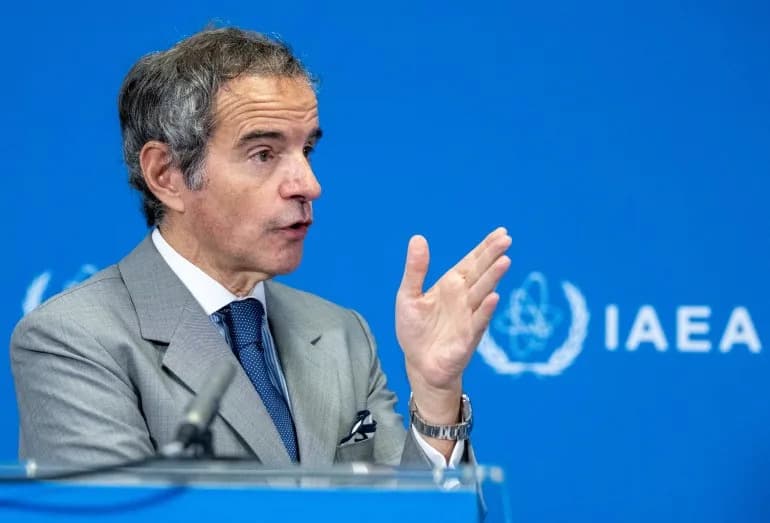
IAEA And Wider Diplomatic Context: Last week the IAEA's board — acting on a push from the United States, Germany, France and the United Kingdom — referred its dispute with Iran back to the UN Security Council. The board noted it currently lacks recent, verifiable data on Iran's uranium stockpiles and does not have access to key nuclear facilities, limiting the agency's ability to assess Tehran's nuclear programme.
Iran has argued that after reported US and Israeli strikes on Iranian nuclear sites, allowing IAEA activity inside the country could jeopardize national security. Hardline elements in Iran have accused IAEA director Rafael Grossi of espionage, and some lawmakers are advancing proposals to withdraw Iran from the Nuclear Non-Proliferation Treaty (NPT).
Implications: The diplomatic spat underscores growing tensions between Tehran and the international community over transparency and inspections. The denial of entry for Eslami — a sanctioned figure — highlights the legal and political constraints that member states and international bodies face when balancing engagement with enforcement of UN measures.
"The decision reflects the UN sanctions framework in practice and the wider stalemate between Iran and the IAEA over access and verification," an analyst said.
Help us improve.